Search Results for: valter longo

Support!

Help Make The Intermittent Fasting Podcast Possible!

Hi Friends! We put a ton of time and energy into researching and producing The Intermittent Fasting Podcast. You can help support us on Patreon! Every dollar helps!

Jan 14

Episode 352: Special Guest: Dr. Valter Longo, Fasting Mimicking, Nutritional Science, Cellular Rejuvenation, Reproduction & Lifespan, Calorie Restriction, Autophagy And More!

Intermittent Fasting

Welcome to Episode 352 of The Intermittent Fasting Podcast, hosted by Melanie Avalon, author of What When Wine Diet: Lose Weight And Feel Great With Paleo-Style Meals, Intermittent Fasting, And Wine and Vanessa Spina, author of Keto Essentials: 150 Ketogenic Recipes to Revitalize, Heal, and Shed Weight.

Today's episode of The Intermittent Fasting Podcast is brought to you by:

LMNT: The LMNT Chocolate Medley is available for a limited time. For fasting or low-carb diets electrolytes are key for relieving hunger, cramps, headaches, tiredness, and dizziness. With no sugar, artificial ingredients, coloring, and only 2 grams of carbs per packet, try LMNT for complete and total hydration. Go to drinklmnt.com/ifpodcast to get a free sample pack with any purchase!

Ion Layer: NAD+ is a coenzyme that plays a key part in many cellular processes, including energy production and DNA repair. NAD+ levels are depleted by things like stress, aging, alcohol, travel, and lack of sleep. Boosting NAD+ levels can help support  energy, cognitive function, metabolic health, and even longevity! Ion Layer provides easy, affordable access to NAD+ patches! Get $100 off with the code melanieavalon at melanieavalon.com/ionlayer!

TONE PROTEIN: Introducing Tone Protein! Finally, a clean, sugar-free, and high-quality whey protein isolate by Vanessa Spina and MD Logic. Scientifically formulated to optimize building and protecting muscle, supporting the metabolic rate, and getting lean and toned in the most efficient way! Get on the exclusive VIP list and receive the launch discount at toneprotein.com!

To submit your own questions, email questions@IFpodcast.com, or submit your questions here!! 

SHOW NOTES

Beautycounter: Keep your fast clean inside and out with safe skincare! Shop with us at melanieavalon.com/beautycounter and use the code CLEANFORALL20 for 20% off, plus something magical might happen after your first order! Find your perfect Beautycounter products with Melanie's quiz: melanieavalon.com/beautycounterquiz
Join Melanie's Facebook group Clean Beauty and Safe Skincare with Melanie Avalon to discuss and learn about all the things clean beauty, Beautycounter, and safe skincare!

LMNT: The LMNT Chocolate Medley is available for a limited time. Go to drinklmnt.com/ifpodcast to get a free sample pack with any purchase! Learn all about electrolytes in Episode 237 - our interview with Robb Rolf!

ION LAYER: Get $100 off with the code melanieavalon at melanieavalon.com/ionlayer!

TONE PROTEIN: Get on the exclusive VIP list and receive the launch discount at toneprotein.com!

The Melanie Avalon Biohacking Podcast Episode #115 - Valter Longo, Ph.D.

Episode 311: Trauma, Cancer Prevention, Obesity, Calorie Restriction, Fasting Mimicking Diet, Digestive Rest, Kid’s Nutrition, Special Teachers, And More!

Valter's history

How animal studies compare to human studies

How the body regenerates itself

Pre-programmed cellular death

Timeline of reproduction within lifespan

Fasting & calorie restriction

Listener Q&A: Melanie - What level does he think is low protein? Does he think it is best to alway be low protein or is it ok to cycle between low and moderate or high protein diets?

Listener Q&A: Laura - Is there a way to mitigate muscle loss on an extended fast?

Listener Q&A: Shelley - Does the fasting mimicking diet really protect you from losing lean body mass? He says the glycerin drink that's included in the ProLon kit is supposed to protect you from losing lean body mass.

Listener Q&A: Heather - Have done several rounds of FMD. Wore a CGM and it spiked my glucose significantly - how is this mimicking fasting?

Calorie restriction & lifespan

FMD trials

The anti-cancer properties

Listener Q&A: Candice - What’s considered an extended fast—36 hrs, 48, etc? And what happens during each phase—like when does autophagy peak?

Stem cell regeneration

The differences in sexes

Listener Q&A: April - Am curious if his guidance differs for perimenopausal women vs. other groups but will see if he covers that in his book.

Listener Q&A: Tabitha - 
Do extended fasts or fasting mimicking diets affect women’s hormones and should they only be done at certain times of the monthly cycle? Curious to know especially during the perimenopause time of life?

Is ProLon appropriate for any age?

How ProLon works

Can you tweak the fasting mimicking diet?

Daily time restricted eating vs fasting mimicking diet

Breakfast skipping

Listener Q&A: Stephanie - How can I live to 180?

Our content does not constitute an attempt to practice medicine and does not establish a doctor-patient relationship. Please consult a qualified healthcare provider for medical advice and answers to personal health questions.

TRANSCRIPT

(Note: This is generated by AI with 98% accuracy. However, any errors may cause unintended changes in meaning.) 

Melanie Avalon:
Welcome to Episode 352 of the Intermittent Fasting Podcast. If you want to burn fat, gain energy, and enhance your health by changing when you eat, not what you eat with no calorie counting, then this show is for you. I'm Melanie Avalon, biohacker, author of "What, When, Wine" and creator of the supplement line AvalonX. And I'm here with my co-host, Vanessa Spina, sports nutrition specialist, author of "Keto Essentials" and creator of the Tone Breath Ketone Analyzer and Tone Lux Red Light Therapy Bannals. For more on us, check out ifpodcast.com, melanieavalon.com, and ketogenicgirl.com. Please remember, the thoughts and opinions on this show do not constitute medical advice or treatment. To be featured on the show, email us your questions to questions@ifpodcast.com. We would love to hear from you. So pour yourself a mug of black coffee, a cup of tea, or even a glass of wine, if it's that time, and get ready for the Intermittent Fasting Podcast.

Melanie Avalon:
This is a very special episode today with Dr. Longo. We can't wait to hear what you guys think. If after listening, you would like to try the fasting mimicking diet, you can go to Prolonlife.com and use the coupon code IFPODCAST to get 10% off your order of the ProLon FMD.

So that is Prolonlife.com with the coupon code IFPODCAST for 10% off your order of ProLon. And then these show notes for today's episode, which will have a full transcript, will be available at ifpodcast.com/episode352.

So again, Prolonlife.com with the coupon code IFPODCAST for 10% off. All right, now enjoy the show.

Melanie Avalon:
Hi friends. Welcome back to the show. We have a very special episode of the intermittent fasting podcast today with a very special guest. This is somebody that we talk about on this show all the time. We get questions about all the time. We are here with a legend in the fasting world, Dr. Valter Longo, who actually is from USC, where went so it's personally, I'm very excited about this as well. Fight on. So listeners are probably familiar with Dr. Longo, but for those who are not, he is actually the Edna M. Jones professor of gerontology and biological sciences and director of the Longevity Institute at USC. I remember, actually, when I was at USC, I used to always pass that building and it looked very mysterious to me. I don't think I even knew what gerontology was at the time, which kind of shows how far things have come in my life. Dr. Longo, though he has received so many awards for his work from the NIH, he's been recognized by Time magazine. Just a laundry list of things which we will put in the show notes. He's also the author of an incredible book, which I have right here, the longevity diet. I highly recommend it. The subtitle is discover the new science behind stem cell activation and regeneration to slow aging, fight disease, and optimize weight. And Dr. Longo has actually been, he's been on my other show, the Melanie Avalon biohacking podcast, and he's actually been on this show like five years ago now. So it's been quite a while. And I know there's been a lot of developments and updates and so many things. So I have so many questions. Personally, I have a lot of questions from you guys because you had a lot of questions. So, Dr. Longo, thank you so much for being you.

Valter Longo:
Thank you.

Melanie Avalon:
So to start things off, just to get listeners a little bit familiar with your work, and for those who are not familiar, a little bit about your backstory, what made you so interested in aging calorie restriction fasting. I know in the book you talk about wanting to be a rock star when you were younger. So what led you to what you're doing today?

Valter Longo:
I was a music student, actually, in Texas. The University of North Texas had one of the best jazz programs in the nation. They asked me to direct a marching band. And so I said there is no way that I'm going to do that. I was a rock guitar player, so I wasn't going to be a marching band director, and I have nothing against marching band, by the way, but I wasn't going to direct it. So I thought maybe what I always wanted to do was aging. And it was always in my head. And so I was probably 19 years old, and I was sure that I wanted to study aging. So I went over to the biochemistry department, and of course they thought I was crazy because I'd never taken a biology course in my life. And they say that you're not going to last more than three months, but that's not the case. And so that's all I've ever done since. And then fasting came in mostly with Roy Walford at UCLA when I started my phd in 1992, a long time ago. And Roy at the time, was most famous person on the planet for nutrition and aging. And he was, not surprisingly, working on something called calorie restriction. So I started in his lab, but then I left his lab to go back to the biochemistry department and start working not on calorie restriction, but on starving bacteria and starving yeast. So I sort of got the sense from the very beginning, the starvation, real fasting, like water, only fasting was hiding something even more important than just calorie restriction. Calorie restriction just refers to just eating about 25% less calories than normal. But fasting, of course, is no calories at all. And so, yeah, since then, I've been focusing my laboratories both here and in Italy, I've been focusing on fasting.

Melanie Avalon:
I have so many questions already. Just to start with, the animal studies, how much of the aging pathways and everything in the animals, how appropriately do they apply to humans? Is it like a one to one thing, or is it more extrapolations, or what's the comparison there?

Valter Longo:
You mean in general, timing wise, when.

Melanie Avalon:
You find findings in rodents or yeast, how do we know how much that applies to humans?

Valter Longo:
This is why I started working. I went from humans and mice in Walford lab to bacteria and yeast at UCLI and the John Valentine's lab. And because I thought all these organisms have 3 billion years of history, and I thought in 3 billion years, all these organisms have been evolving in parallel. And so I thought there's going to be probably very fundamental laws for what's happening during fasting that apply to all organisms. Now, of course, there's a lot of differences, and you have to make sure you understand them and you apply them. And so that's what we do. So we run lots of clinical trials for that reason. But I think the fundamentals were going to be, I mean, at least that was my hypothesis. The fundamentals are going to be the same. So if you starve a yeast, a unicellular eukaryot, it's going to start shrinking, and then it's going to get into a low aging mode, and it's going to start eating its own components while it's shrinking. And then eventually you feed it again and it re expands. Right. So I thought this is probably something very much conserved all the way to humans. You shrink, you eat your own parts, essentially, while you're doing that, and pick the ones that are most damaged and then turn on programs that are very similar to the embryonic developmental programs. So the same programs that generate organs when you need to re expand. Right. It all makes sense. And that's what we now see in mice, in rats, and we're starting to see this in people. But really, a lot of that started in yeast and bacteria.

Melanie Avalon:
Okay, awesome. Yeah. Two thoughts from that really quickly. One, I think you were pointing out in your book that we clearly, as humans, when we create an embryo, we have the potential to create something that is not aged. It's really interesting that our bodies age, but we still harbor this seemingly inherent potential to create something that is completely young. So how do we apply that to our entire body? Is that just two different systems? Can that translate over? Is there something different that's going on when we're creating embryos versus our bodies aging?

Valter Longo:
Yeah, and this is the big difference between, I think, what we do and what a lot of my colleagues do. Right. So there's a lot of biohacking. And our point has been that the human body already knows how to go back to zero. Right, meaning age zero. But how do you do that? Right, so how do you make a liver or a muscle or a pancreas regenerate itself and go back to zero? And so we've shown that, in fact, you could do this with fasting, mimicking diets and do multiple shrinking, re expansion. Shrinking re expansion. And if you do it enough times, you'll see that actually these Yamanaka factors, these reprogramming, these markers of embryonic development, they turn down, right. And they start the process of regeneration. And then when you refeed, they actually start the process of re expansion and making new cells and more functional cells. For example, we've done it with pancreas. We take the mouse and we damage the pancreas to where it no longer makes insulin. And then we start with the fasting, making diet and refeeding cycles. And you see that the pancreatic cells begin to be reprogrammed, and then eventually they start making insulin again and they become functional again. So we went from a permanently non functional pancreas to a regenerated functional pancreas. So this is just some of the examples. Now, can you actually make it all the way to an organism that is completely young? That's much, much harder. But I think that we're on the right track. Right. And I don't know that we want to make people go back to being 15 years old, but certainly we can rejuvenate. We now know that we can make people younger. The question is, how much younger at.

Melanie Avalon:
The point of death? What do you think is happening there? Because what I'm thinking through in my head right now is the aging of all these different organs and the potential to, I don't know, independently anti age each individual organ, but the body as a whole. What do you think actually happens at the point of death? Is there a system wide message where it's just decided that everything has independently aged enough that we just have to stop all systems? Or what do you think is happening there?

Valter Longo:
We've been working also on the theoretical part, and we're not very busy on that, but we have. And there are two possibilities that we came up with, and one is that aging is actually programmed, right, which is very unlikely. We demonstrated for unicellular organisms. What does that mean? But nobody's ever demonstrated for mammals. So is it possible that there is actually a program to kill us, to get us out of the way so that new generations can have the space and the food and the resources to grow? The evolutionary biologists will say that's crazy talk. There is no way. And maybe it happens in microorganisms but nowhere else. But let's assume that that's not true, then the other part is really, there is something called the force of natural selection. And so what does that mean? Means that the evolution, as the job, is selective for organisms that are very protected, as long as they are still in a phase where they can contribute to the next generation. Right. So let's say for humans, let's say it's 40 to 50. After that, it will make sense. And we know that the force of natural selection goes down, meaning that the force that kept everything working in an almost perfect way is now weaker and weaker and weaker and weaker. So by the time you get to 70 or 80, that's almost gone.

Melanie Avalon:
Right.

Valter Longo:
There's no force anymore. And what does it mean? It means you're on your own and your organs are on your own. There is no help from evolution anymore because evolution doesn't care about that 73 year old person, and in fact, it might select against it, get out of the way. That's why then we die, because we've been on our own for 30 or 40, 50 years by then, and things go progressively wrong. Eventually the system stops it.

Melanie Avalon:
In all of the various animal species, does the timing of when they typically reproduce and the amount of time required to foster those children or the babies, does that correlate to the lifespan of the species pretty equally?

Valter Longo:
Yeah, very much, right? Very much. There was a great experiment done 40 years ago by Michael Rose at UC Irvine, I think. And he took flies, and he took the flies that were reproducing early, and then he took the flies that were reproducing late, right? And he selected them for many generations. Kind of like saying, imagine if we went out and took women that are having children very late in their mid 40s, right? And then we took women that had children very early, 1820 years old. And then for generation, we selected these two groups, right? And then they went back and looked at it. And the flies that were reproducing earlier, they had a shorter lifespan, a much shorter lifespan, and they were very good at reproducing, but they lived a lot shorter. And those that were reproducing until later time or at a later time were selected for reproducing later time. They were not as good early on. They were 80% as good at reproducing, but they were making offspring for a lot longer. And this has been shown in lots of different organisms. And so, yes, so the reproductive span is very much associated with the lifespan.

Melanie Avalon:
Oh, my goodness. Okay. I'm so excited right now because that question haunts me. Do you think that translates over to humans? And so, for example, this is just me being completely selfish. I don't really anticipate having children. Do you think women who don't have children, would that affect their lifespan at all?

Valter Longo:
That's actually been published in many studies. Right. So it's a little tricky because on one side there is an advantage, and then there is a disadvantage of having too many children, probably because people become very stressed out. Right. So I think in the end, there's probably not much of a difference. So that percent doesn't matter that much. And if there is a difference, it's probably a few years. But the point would be if we found a way to postpone making, let's say, women and men reproduce until much later, let's say that we found a way to allow women to reproduce until age 65, then most likely that group of women will live longer on average, or a lot longer on average.

Melanie Avalon:
So fascinating. Okay, one more last animal. Rabbit hole question. The antiaging or longevity programs or mechanisms in the immortal jellyfish, is that the same pathways, or do they have something else going on?

Valter Longo:
Well, the jellyfish, you can look at them a little bit as a colony of microorganisms, right? So if you look at a colony of yeast or bacteria, is the colony immortal? Yes, it is immortal, but does it really relate to us?

Melanie Avalon:
Right.

Valter Longo:
Well, yeah, in some ways, but it's going to be very difficult to translate that immortality of a colony. And so the jellyfish, in a sense, are like a colony that sticks together, right. And of course, it's a more complex organization. So it is closer to mammal than a colony of yeast. But let's say it's an in between situation, right? So you cut something off and it can regrow. Just like if you kill part of a colony of bacteria or yeast, it's going to regrow back. It doesn't really care that you kill some of it.

Melanie Avalon:
Right.

Valter Longo:
And the same is true for certain fungal colonies. Right. That have been discovered to be, I don't know, thousands of years old and been growing for thousands of years now, you could say, is that an organism or is it a group of organisms that simply keep expanding?

Melanie Avalon:
Okay, got you. That makes sense. Okay. Coming back to the calorie restriction and the fasting, a foundational question. I've always had these pathways that are activated, the effects of fasting, are they the same pathways as calorie restriction? Are they different? And also, if you are engaging in different modalities, like fasting and calorie restriction or fasting and protein restriction or all the various things that might be antiaging, do you think those effects are additive or do they cancel each other out? Like, if you're doing one, are you pretty much good, or does doing multiple things add more antiaging potential?

Valter Longo:
Well, I think that, of course, the risk is that if you start doing multiple things that are improvised, that could hurt you.

Melanie Avalon:
Right.

Valter Longo:
So already, calorie restriction, again refers to eating 25% less than normal. Not less than people eat, but less than normal.

Melanie Avalon:
Right.

Valter Longo:
So then a typical male would be, I'm fairly thin and I'm 170 pounds. If I were to be calorie restricted, I would be maybe 145, right? Yeah, it's already pretty extreme. Now, even that, it's not clear that that's going to be beneficial to anyone. I mean, the study Wisconsin, among mean, Wisconsin showed lifespan extension, but the one in the NIA did not show lifespan extension. And so then you will argue that maybe calorie restriction, chronic, color restriction, like the extreme and chronic, it's going to give you a lot of benefits, but not necessarily make you live longer. And in the process, it's probably going to slow down your metabolism and your hunger, et cetera. I would say that I think that the periodic fasting mimicking diet are starting. And protein restriction is another one that I like. And time resistant eating, what Sachin panda has been talking about for decades, those are the things that I like, and I think they are additive, meaning, like if you eat for, let's say, 12 hours a day, maybe a little bit less, 11 hours a day, and then you're protein restricted, but not excessively protein restricted, you got to be careful because you can go from one problem, which is too much protein, to the opposite problem, which is too little amino acids of certain kinds.

Melanie Avalon:
Right.

Valter Longo:
So then timers hit the eating, let's say eating for 1112 hours a day, plus protein, the correct type of protein restriction, the correct type of diet, say pescatarian, what I call the longevity diet, plus the periodic fasting making diet, plus the exercise, that's probably 20 extra years of life expectancy.

Melanie Avalon:
You've mentioned a lot of words that we did get a lot of questions from listeners about, so I'll start bringing some of them in. So on the protein front, I think listeners and even me and my co host Vanessa, when she's here, I think there's a lot of confusion surrounding protein intake. On the one hand, we talk all the time on this show about the importance of actually like, a moderate or high protein diet for muscle growth and just supporting body composition. And I recently interviewed Dr. Gabrielle Lyon all about the benefits of protein. But then, on the other hand, we see these benefits of low protein and how protein associates with aging and dietary protein restriction, the benefits of that. So we had a question. I know, my name is Melanie. This is from another melanie, not me. She wanted to know. She said, what level do you think is low protein? Do you think it is best to always be low protein? Or is it okay to cycle between low and moderate or high protein diets? So, protein, what can you share about this issue?

Valter Longo:
Yeah. Well, first of all, the 20 years of life expectancy that I mentioned earlier is compared to, let's say, a western diet, right? So not compared to somebody that might have another type of positive intervention. So the protein, everybody loves this oversimplification. High fat, low fat eye protein, low protein, high carb, low carb. I think we need to move away from this, right? And I know people like it simple, and I can understand that, but it's not simple. The human body is extremely complex. So the solution is not going to be simple.

Melanie Avalon:
Right?

Valter Longo:
So even protein, you could be on a high protein diet and have deficiency in lots of amino acids, right? So let's say that you are on 100% legume diet, very high protein. Let's say 25% of your calories come from protein. You're still going to be malnourished, right? Because all you eat is legumes. Why? Because legumes contain very low level of a number of amino acids, which are very central for muscle and lots of other. So my recommendation. So we started clinics in the US and Europe from the foundation, and these are nonprofit clinics. And so I recommend, it's called create cures. And I recommend that people consider either talking to people that are dietitians and nutritionists at the clinic or somebody that knows what they're doing. Unfortunately, this low or high is really meaningless. And it could be very damaging because people then may say, oh, I have very good protein intake every day, so I'm good to go, not realizing that they don't, because all they're eating is legumes. Or, I have a reasonable low protein, but it's all from red meat. I'm fine. And again, now you may not be fine just because, yes, you have, say, 17% protein of your calorie in protein intake, but it's all from red meat and you still might have a problem, right? And then it gets more, even more complicated than that because there is phases of life, right? So if you're zero to three is one level of protein, then three to ten, then ten to 18, then 18, all the way to, let's say maybe 25 to 65 70, a relatively low protein diet is good, mostly vegan, but not completely vegan. But then after 65 70, then you have to go higher and have more animal proteins because otherwise you're going to be deficient in certain amino acid.

Melanie Avalon:
Right.

Valter Longo:
So I know it's very confusing answer, but that's because it's extremely complicated and I'm just trying to summarize it in 1 minute. But it's almost impossible, right. To really give. And that's my message here, instead of having an answer is like, please do not think you can get a manual out of 1 hour with me or somebody else because it doesn't work like that.

Melanie Avalon:
You have so many studies published, it's overwhelming and amazing. And I was going down the rabbit hole reading a lot of your recent ones and going like just what you were saying about you can't summarize things in 1 minute, even with your studies. I'll read like one study and then I want to read all the references and there's just so much information. And I was even going on one rabbit hole because it was talking about in the case that they were looking at, I think it was in monkeys, the calorie restriction was actually protective against sarcopenia, which was kind of mind blowing. So it just kind of goes to show how complicated everything is and how many layers there are.

Valter Longo:
Yeah. So calorie restriction causes muscle loss. But then some studies suggest that the lower level of muscle now is more functional than the higher. But again, most people are not going to want to look like they're starving and have more functional muscle. Right. Even there, as you just pointed out, it's a complex answer and it's best handled by somebody that can follow the person and get them to where they want to be.

Melanie Avalon:
So the muscle itself, we got a few questions about that. Laura wanted to know, is there a way to mitigate muscle loss on an extended fast? And Shelly wanted to know, does the fasting mimicking diet really protect you from losing lean body mass? Dr. Longo says the glycerin drink that's included in the prolonged kit is supposed to protect you from losing lean body mass. So what have you seen in your studies and trials with the fasting mimicking diet and muscle loss?

Valter Longo:
Yeah, we've seen that four out of four trials now are showing we're looking at about maybe 300 patients, all ages, no lean body mass loss. Right. So there is a temporary lean body mass decrease during the fasting mimicking diet. I cannot talk about commercial products, but as it is in the box.

Melanie Avalon:
Right.

Valter Longo:
So people, sometimes they complain about all my sugar spiked. Well, that way we tested it is protecting, I guess, muscle loss and is increasing insulin sensitivity and is actually helping reverse diabetes.

Melanie Avalon:
Right.

Valter Longo:
So it works the way it is right.

Melanie Avalon:
Now.

Valter Longo:
If you change it or improvise at home, who knows, right? I don't know, but I can tell you. And some of these trials we didn't do, right. Other people have done, but it works very well the way has been designed. And I think not only it works very well in protecting lean body mass loss and in causing insulin sensitization, but also I think that we worked very hard in making sure that somebody could do this for 20 or 30 years. And it'd be hard to claim that problems come from this diet because we're saying you should probably do it only maybe three or four times a year and that's it, if not less. Right. Depending who you are. Yeah. So I think that we now know we can protect lean body mass. Now, when we combine it with diabetes drugs, that's when we see the lean body mass loss.

Melanie Avalon:
Right.

Valter Longo:
But of course, we don't see it with other diabetes drug. We see it in the diabetes drug. So we're presuming that it is the diabetes drug, it's not the fasting diet that is causing the lean body mass loss.

Melanie Avalon:
Oh, wow. So, like, when it's combined with metformin, people tend to lose in both the.

Valter Longo:
Trial, one was with metformin, one was all diabetes drugs. Then we see the lean body mass loss, but you also see it with the drugs alone.

Melanie Avalon:
Question about those findings and results. Are you finding that nobody's experiencing overall lean body mass in the end, or are? Some people are and some people aren't, and it averages out to them not. I'm just wondering if people respond differently individually or is it pretty consistent?

Valter Longo:
It's generally consistent, but some people, we'll have to look at the scattered plots, but some people probably, on average, they don't. But some people are probably going down and some people are going up in muscle mass. Right. If somebody was doing it and they clearly saw. But to know if you're losing muscle, you will have to get a daxa or something similar. Right. Because, well, there is some devices that can measure impedimentiometry. They can measure, but those are probably not very accurate. So if you get a Daxa, you'll know if you in fact lost muscle mass and bone density. If somebody was in that category and for whatever reason they think it's a fasting making diet, then that's something to keep in mind. But the issue is also, how frequently are you doing it? Because if somebody was to do like the trials that I just told you on, diabetes is once a month for six to twelve months.

Melanie Avalon:
Right.

Valter Longo:
So we're not recommending anybody else does that. So that means that you're doing it six times in six months or twelve times in twelve months. And that may also be why we see some lean body mass loss. My point being that if you do it once a month for three months and then you stop, then you have all the opportunities to regain your. Even if you wear among the small percentage for whom lean body mass is reduced, then you have an opportunity to regain it.

Melanie Avalon:
Is there a difference in people who are obese or overweight versus people who are normal weight with the muscle loss?

Valter Longo:
No, there isn't. So we looked at normal weight and we looked at at least two trials normal weight and two trials on overweight and obese. No lean body mass loss in the absence of other drugs. And in the one we just finished in Italy, there was even six cycles in six months and still we didn't see any muscle and lean body mass loss.

Melanie Avalon:
You said there is a temporary loss. How fast does that come back? Is it right after they stop within one week?

Valter Longo:
We measured that one week after and it's already back.

Melanie Avalon:
Wow. Okay. You were talking about how people were saying that it spiked their blood sugar and the implications of that. So maybe just to revisit it one more time, because Heather literally had that exact question. She said that she's done several rounds of the FMD diet, fasting, mimicking diet. She says, I wore a CGM on a recent round and the soup spiked my glucose significantly from around 70 to 160. How is this mimicking fasting when consuming soups causes a huge insulin spike. So that actually adds another question. Is that still fasting? If you're getting that high blood sugar response?

Valter Longo:
We're not trying to have an identical effect to water only fasting. That's not our purpose. Our purpose is to make people live longer, younger and healthier.

Melanie Avalon:
Right.

Valter Longo:
And so from all the trials we see, so if somebody sees the 160, they will say, okay, well, this is going to make me gain weight and this is going to make me insulin resistant. But yet trial after trial after trial, we see exactly the opposite. Right? And then even trials, like, know, completely independent of us. Or, you know, all these trials have been done by other people, by big universities, because people can say, oh, there is a product behind it and there is some attempt to. These are independent trials and that's what they found. Right. So then the spikes may actually be beneficial to maintain lean body mass and maybe even they may be beneficial to get this impressive sensitization to insulin. Right, that we see in a short time. Now, we are also going to try to test versions that have a lot lower starches and they have a lot lower carbohydrates. So we'll see. But I think we've been doing this for ten years in the clinical setting and it's going to take us a while to beat the effects that we see now. For example, Heidelberg saw a one c dropping from, I think, 8.1 to 6.7. Very impressive change in diabetic patients.

Melanie Avalon:
Right.

Valter Longo:
And I'm sure lots of them were getting the same spikes, as this person is saying. So again, I'm very worried. People are just going home and getting the continuous glucose monitor, seeing one piece of it and then concluding that this is bad for them, very dangerous. But I'm all for people checking themselves and that's good, but don't come to conclusions because that's not the way it works. We'll see. And I wouldn't be surprised if when we tested with lower glycemic spikes, that we start seeing less effects.

Melanie Avalon:
So, interesting. And actually, I was reading last night one of your. I think it was more recent, it was a study, it was called diet composition influences the metabolic benefits of short cycles of very low caloric intake. And it was looking at very low caloric intake with a standard laboratory chow in rats compared to plant based fasting mimicking diet. I'm just curious because it was saying that a long lasting metabolomic reprogramming in serum and liver is observed in mice on very low calorie intake cycles with standard diet, but not fasting mimicking diet. Do you know the diet that I'm referring to? I'm wondering if that was a. I.

Valter Longo:
Think I'm among the.

Melanie Avalon:
Yeah. Yes. Was that a beneficial metabolomic reprogramming with the standard chow?

Valter Longo:
This is a study by Rafa de Cabo, and this is the way, probably the graduate student that was working on it saw it. But now we have lots of mouse lifespan studies, even mice on a high fat and a high calorie diet. And this we published a few years ago. So it's taking that short window that you saw in the paper, and it's taking a lifelong.

Melanie Avalon:
Right.

Valter Longo:
And we're showing that, remarkably, it is a natural metabolism paper from two years ago. Remarkably, the fasting making diet only once a month is able to reverse all the problems caused by the high fat, high sugar, high calorie diet.

Melanie Avalon:
Right.

Valter Longo:
So the heart effects, the insulin sensitization, the insulin resistance, and the effects on cholesterol effects. Yeah. So I would say now we have lots of mouse, rat and human data. It's pretty consistent. It's almost like it's a little bit too good to be true. So I would now, hopefully, we're going to get some negative results, because so far it's been working even much better than we expected. I always think whenever I saw the Heidelberg study, they did something very similar to the paper you're referring to. They did five days of a mediterranean diet a month. Right. In diabetic patients. Five days of a mediterranean diet a month against five days of the FMD. And when I look at the paper, I think they probably did it to show that the FMD is pointless. The mediterranean diet is going to work. I mean, I don't know. Right. But I suspect that that's what they were trying to do. But sure enough, the mediterranean diet is worthless five days a month. And the FMD causes remarkable effect. And go look at it, because it's really impressive differences between this maybe a little bit calorie restricted, very healthy diet and the FMD.

Melanie Avalon:
So now I'm super curious, in your history of running all these trials, what was the biggest, surprising finding for you? Or it doesn't have to be the biggest, because that's a big question. But what was, like, a big, surprising finding for you maybe sometime where you thought you would find one thing and you found the opposite or. Yeah. What has been surprising in your FMD trials?

Valter Longo:
I think that the effects on cancer have been remarkable and thus far. And I think at the beginning, we will have expected kind of like what you see with the ketogenic diet. Right. So you see working against cancers, lots of cancers, but actually helping some cancers grow faster.

Melanie Avalon:
Right.

Valter Longo:
So the ketone bodies hurt a lot of cancers and help some. And I expected that from the fasting mixing diet. I truly did. And I'm surprised that after 20 years, we haven't seen that. Right. And I expect it. But really, like, another two papers were published just this week on the fasting McGinn diet and cyclic fasting. It just keeps on working in all the models that have been tested. So, for example, a paper that just came out in cancer research this week by a chinese group showing that the fasting mimicking diet is causing b cells to start attacking the cancer. So another novel colorectal cancer in this case, right, in mice. Yes. So I think that that's surprising, right, after all these labs and all these attempts, and nobody yet has come up with negative effects, but I'm sure it's going to happen. But it hasn't happened yet. So, very happy about that, but also very surprising.

Melanie Avalon:
Do you have a theory as to what the fasting mimicking diet might be circumventing or avoiding? That is the problem for why ketogenic diets sometimes support cancer.

Valter Longo:
My theory is the following. Is it possible the starvation for human beings represented an opportunity, kind of like sleep, right? So an opportunity to get rid of damage component. Right. Something that is under the force of natural selection that I mentioned earlier for the purpose of distinguishing good from bad. And so you only do it during fasting and not necessarily when you have a lot of food. Right. And why? Maybe because the bad becomes food for the person.

Melanie Avalon:
Right.

Valter Longo:
It's a lot of speculation, but is it possible because, let's say precancerous cells, cancer cell, autoimmune cell, insulin resistance cell, senescent cells. So imagine all of this is food, right? So you don't want to throw it away. So maybe because we starve so frequently, maybe that was left around to become food when we don't have any food coming from the outside.

Melanie Avalon:
Because I'm not sure exactly which cancers are supported by ketogenic diets. But do you know if they've done calorie restricted ketogenic diets in those situations?

Valter Longo:
No. These are normal calorie ketogenic diet, right?

Melanie Avalon:
Yeah.

Valter Longo:
So of course, the FMD is a calorie restricted ketogenic diet, but they've done usually normal calories, right? Yeah. So of course the normal calorie, if there was a program that was signaling go after the damaged cell because we're starving. So the normal calories now will prevent that, right. And say, well, we're not starving, we're just getting the calories from somewhere else. And so maybe that's why we see both. Because, yes, the ketone bodies may be part of the program to kill cancer cells, but the ketone Bodies may also be part of the fuel for certain cancers.

Melanie Avalon:
Okay. And then speaking of self eating and breaking down these things, so we do talk about autophagy a lot on this show. And that's another thing where I think it is so presented as black and white and autophagy is on, autophagy is off, when in reality, autophagy is probably occurring all the time to different levels, and it's probably way more complicated than the way it is often presented. So in your trials, can you actually measure autophagy? So do you guys measure autophagy? Candice wanted to know when autophagy peaks. She says she's seen charts online, but who knows what type of science that's based on.

Valter Longo:
Yeah. Now there are trials to look at the FMD and autophagy. We see it in mice after a few days and probably maybe by day three, that's when. And it also depends in which cells, in which organs. So it's going to take a while to know how much autophagy is going on in how many systems. But autophagy, I think is just a small part of what I was talking about earlier, this shrinking re expansion. So one of the components is autophagy, but there is probably also cellular killing, as I was mentioning earlier, and using cells for fuel, the reprogramming of cells, the stem cell activation, the stem cell cells renewal. So there's probably a big program to remove damaged components and then regenerate. And autophagy, I speculate maybe 20% of the whole operation.

Melanie Avalon:
Got you. For the stem cell piece. Do you find that it affects both the release of stem cells? Does it increase the amount of stem cells? How all, does it affect the stem cells in the body?

Valter Longo:
Yeah. So of course, in humans, we're just beginning to look at it, and we did have some initial evidence that we published on circulating stem cells. But in mice, for example, the metropoietic stem cells, those in the blood that give rise to all immune cells, they increase in number and then they increase in self renewal properties, meaning they start producing more of themselves.

Melanie Avalon:
Right.

Valter Longo:
So stem cells get activated and make more stem cells. And then this is associated then in the mouse with a rejuvenation of the immune system and a restoration of damaged immune system, more stem cells and more active stem cells. But in some other organs, we don't see the stem cells going up. We see the reprogramming of cells happening and the Yamanaka factors. So we think that it can go both ways. One way to achieve it, more stem cells, another way to achieve it, take a somatic cell, reprogram it into an embryonic like cell, and then do the job and then go back to a differentiated cell.

Melanie Avalon:
Wow. So fascinating. We got a lot of questions about women specifically. So I guess first, as a foundational question for me, when you're doing these, the majority of your studies are they split populations of male, female. Do you test in women specifically? So are there sex differences?

Valter Longo:
We haven't seen it yet. Now, we really tested the FMD on thousands of patients in informal clinical trials, right. At least over a thousand, probably between cancer, diabetes and all the other diseases, Alzheimer, et cetera. Probably, you know, maybe 1500. So far, there wasn't, there hasn't been anything that is so evident that it works in male, doesn't work in female, or vice versa. But I think as we have more bigger numbers for specific changes. So let's say, for example, a one c or fasting glucose or cholesterol, then at some point, I think once we have, let's say, 300 males and 300 females that have done, say, three to six cycles of the fasting making diet, then we can go and compare them and see is there actually a difference in the response of males and females? But clearly they both respond. And all the trials thus far have been mixed with males and females.

Melanie Avalon:
I'll read two of the questions I got about it specifically. So April, she said, great timing. She said, I just started his book today, and we'll do a round of prolonged when I'm done. I'm curious if his guidance differs for perimenopausal women versus other groups, but I'll see if he covers that in the book. And then Tabitha, she said, do extended fasts or fasting mimicking diets affect women's hormones? And should they only be done at certain times of the monthly cycle? Curious to know, especially during the perimenopause time of life. So do you have any guidance there?

Valter Longo:
Yeah. So lots of people are asking about this. We haven't got reports of, let's say, in the cycle. The FMD is done early on versus late. We haven't gotten reports from people saying it clearly works best in one part of the cycle or another. And so far, we haven't tested around menopause, before menopause and after menopause, but it's certainly been tested on women in all those stages. And thus far, we see pretty clear results in all stages. Also, because some of the trials might have had half of the women pre menopause and half of the woman postmenopause. And it works as a group. And so I think we will have seen problems if it was just specific for a stage of life. But again, as I was saying earlier, and I encourage people to write to us and say, I'm in this stage and this is not working for me. And you never know. This could motivate a clinical trial on a specific population, but thus far we haven't seen it, but it doesn't mean that it's not there. So it could be that something works a lot better in certain groups, but I think that the effect is so powerful that probably most people benefit regardless of the stage. But, yeah, maybe some will benefit more.

Melanie Avalon:
Okay, got you. Yeah, that'll be exciting to see future as you get more and more and more feedback with that. That actually made me think of another question. When you're talking about when to do it, age of onset of implementing fasting, mimicking diet, or really anything, but I guess I'll keep it specific to fasting, mimicking diet. Is there a difference in when people start implementing this as far as the potential benefits that they see, or is it pretty much whenever you start it, you'll be good?

Valter Longo:
Well, I think that it all depends, right. For most people, they're going to have some issue. It's going to be beneficial. Now, we see effects on cholesterol, some of it. A bunch of this has not been published yet, but let's say we see clear effects on an ldl, we see effects on blood pressure, a1c, we see effect on abdominal weight. Again, no loss of lean, body mass. So if you think about all those things and see reactive protein in multiple trials, it goes down, inflammation goes down. So I would say the great majority of people are going to have some issue in this arena. If you think about the Americans, people in America, 75% are overweight and obese, right? And maybe probably 85% have some weight issue. So that means that 85% of the people will clearly benefit. Now, we've been talking about, if you just think about the weight and nothing else, right? But probably 95% of people benefit if you think about the weight and all these risk factors for diseases. So we've been talking about 20 to 70 now. We just finished the Alzheimer's trial in people up to 85. And I think the results are surprising in a good way. We expect that people having problems, but we didn't see that and becoming frail and we didn't see that. And also we're doing trials in the very young one, down to six years of age, in the type one diabetes trial in Gaslini children's hospital. And so now we've been talking to people about the possibility of running a trial in the young, maybe not so young, but maybe like say 14 to 18. Is it possible that maybe this is a great way to give them these five days of a vegan diet? It's a great way to educate the brain of a younger individual without forcing them to eat less or change their diet. And so with the hope that they get there on their own. Right. That's another thing that we didn't talk about. But these five days of a vegan diet, low calorie fasting, mimicking vegan diet, they have such a beneficial effect on people that we see lots of people basically gravitating more towards vegan nutrition. Could it be that in children, in the teenagers, this is going to be a good way to train the brain to behave in a different way without imposing diets?

Melanie Avalon:
I imagine that's a lot harder to conduct those trials. Probably getting like consent, I guess, or getting it approved to do it in the younger populations.

Valter Longo:
It was not an issue. But in the Gaslini children's hospital in Genova, Italy, is inpatient. Right. So they have to check into the hospital. But these are very young, like down to six years of age and with type one diabetes.

Melanie Avalon:
Right.

Valter Longo:
So, yeah, I think that we've been talking here at Chla with different faculty doing in the 14 year old, 14 to 18. I think it should be pretty straightforward. I mean, they're still getting 800 to 1100 calories a day, so the risk is really minimal. But, yeah, of course, I love to go through their ethical committee approval as.

Melanie Avalon:
Far as actually doing the fasting and mimicking diet because I realized we kind of just jumped in. Could you just tell listeners briefly what the ProLon program looks like? And then I have a specific question about how it can be implemented. But in general, it's five days or. Yeah. Would you like to just tell listeners a little bit what they should expect?

Valter Longo:
The FMD that we've been testing in lots of trials, there is different version. There is a version for Alzheimer's. There's higher calorie. There's a version for cancer. It's a lot lower calories. There's a version for autoimmunities that it's a different composition. But let's say the one for normal people that's been tested so much, I cannot name commercial names, but let's say that one is 1100 calories or so on day one, and then it goes down to 800 calories on day 2345. It's a low calorie, low protein, high fat, plant based, and it's relatively high in carbohydrates, even though it's very low carbohydrate. But I mean, composition wise, it's relatively high, and that's by design. I did not want people to cycle between high ketogenic state and low ketogenic state. And it's maybe out of being over cautious, but that's the way I like it. So I was always worried that if you get to severe ketogenic states or very high ketone bodies and then back and you keep going back and forth enough times, that could eventually cause problems. And I don't have any evidence for that, but I was afraid of that. And that's why, by design, the FMD is relatively high in carbohydrates, even though, because it's so restricted, it's still a very low level of carbohydrates.

Melanie Avalon:
So that possibly sort of answered my question. My question was, so I personally do a one meal a day approach with intermittent fasting. I think I talked about this before, last time I had you on the show, but I eat like, very high protein and then I fast during the day. So with the fasting mimicking diet commercial version, would I be able to do it in a one meal a day approach and have all the meals at once, or it sounds like that would be the antithesis of what you were potentially nervous about happening.

Valter Longo:
Not necessarily because the FMD, again, let's say that you do it three times a year. That's not really going to. So you could do it either way, right? You could try to compress it. It'll be hard to do for you. But if you already do it like that, it is possibly doable in one meal a day, and this is only for five days, and then you go back to whatever it is that you do, right. So I think that it can be done like that, but it would not be easy, let's say, to have the two soups and the bars and all the other things that are in there all in one shot. But it's doable. But it's also not necessary, right. For those, say, 15 days a year, you could have your regular meals, say, morning, noon and evening.

Melanie Avalon:
So basically, the comparison between daily intermittent fasting all the time versus fasting mimicking diet however many times a year, but then not fasting the rest of the time. I mean, I don't know if it's a comparison where you're like, oh, this one's better, this one's not, but you're seeing similar benefits. I don't want to put words in your mouth. What are your thoughts on that comparison? Because a lot of the audience is doing daily intermittent fasting.

Valter Longo:
Yeah, I mean, the daily intermittent is not intermittent fasting. I think I like such impanda's time restricted eating, meaning like, eat within so many hours a day. And I think that's a very good practice in addition to the periodic fasting making diet. So I recommend 1112 hours of food consumption because as you get to the 16 hours, you start seeing gallstone issues. If you skip breakfast, you see this is associated with a shorter lifespan. So the breakfast keepers, they tend to live shorter than the non breakfast keeper. Now, of course, it could be that the breakfast keeper have a terrible lifestyle, et cetera, et cetera, but that's not a good start. And this is why I usually say, if you're going to skip, skip dinner and fast for 16 hours or whatever, probably better not to skip breakfast. Now, it doesn't mean that you cannot be a breakfast keeper and live to 100, but the epidemiological data suggests that in general, the breakfast keepers live shorter, have more cardiovascular disease, et cetera. They're compatible. So you could do, let's say eleven, let's say twelve or 13 to 16 hours of fasting per day regardless. Right? And then on top of that, as I was saying earlier, add, say, three times a year, fasting mimicking diet. So the two things are expected to be additive, if not even synergistic, potentially.

Melanie Avalon:
Okay, got you. Yeah. The breakfast thing is something where I just feel like it's so complicated. And with the epidemiological data, I just wonder if it's a lot of healthy user bias, like we've been told so long that skipping breakfast is bad. So are people who are breakfast skippers engaging in other lifestyle habits? And then a lot of the studies are funded by the breakfast cereal food industries.

Valter Longo:
No, they're not. They're. No. In fact, we did the same thing. We did the analysis and got scooped by a chinese group and we saw the same with the enhance the CDC database. Very clear effects. Don't forget that these epidemiological studies adjust for smokers and adjust for bad behavior. And on top of that, I always ask the question, why doesn't that, let's say they have bad behavior, some bad behavior, which we do not see. Why doesn't a good behavior, which would be the fasting, now, counterbalance the bad behavior? Right. Why don't we see them at least live normal? We see them live shorter.

Melanie Avalon:
Right.

Valter Longo:
And that's where you got to become concerned. Right? Let's say they have bad behavior. Well, 16 hours of fasting is clearly beneficial. There's nobody's arguing with that. Why doesn't that help them at least live normal?

Melanie Avalon:
I see what you're saying. So not necessarily fasting studies, but if there are studies on breakfast skippers, they are technically then fasting a certain amount of time. So technically they shouldn't see the issues. Yeah.

Valter Longo:
So most of them are going to be fasting for 1416, 18 hours a day. Right. Because they skip breakfast and they've made, I don't know what time they had dinner. I'm not saying that 16 hours is bad, but I'm saying this breakfast skipping is definitely not a good idea. And also there's papers that I actually wrote a little piece on about a year ago showing people started eating at 12:00, they were hospitalized and they either started eight or twelve, the same identical diet. Right. And those that started at twelve had a lower energy expenditure and they were increased hunger.

Melanie Avalon:
Right.

Valter Longo:
And so now we not only have epidemiological studies, now we have the second pillar, clinical studies showing why that could be a problem. Right. So start at twelve. Now you're going to be more hungrier and your metabolism slows.

Melanie Avalon:
Did they actually end up eating more still?

Valter Longo:
I don't think they. No, they were being fed the same exact food. They brought them to the hospital and they gave them the food. So then the very controlled study, right? Yeah. So then, of course, if somebody only eats once a day, like in your case, well, eventually you're going to be able to control it and still have benefits. But in the general population, just that change caused problems. Multiple problems.

Melanie Avalon:
I was thinking of the studies where they skip breakfast and they are hungrier, but they don't ultimately end up eating more because they can't literally compensate for that entire skipped meal by making it up later.

Valter Longo:
No, they knew exactly what they were eating because they did it in the hospital. Right? Yeah. So then this was very controlled. So it's very clear that the results and multiple trials actually were in the same issue. This cell metabolism from about a year ago, multiple trials were showing the same thing.

Melanie Avalon:
Very interesting. Okay, well, one more last topic. I want to be really respectful of your time. So many people just wanted to know, in general, your blanket recommendations for lifespan and longevity. So some rapid fire, just some quick questions. Stephanie wanted to know, how can I live to 100 or sorry, to 180?

Valter Longo:
Good luck. Tell me. If you find out, then tell me. But to 110, I would say read the book. All the profits go to, all. My part goes to the foundation so we can help people live longer. And so I don't make a penny out of it. But yeah, the longevity diet goes through it. But in general, number one pescatarian diet, fish plus vegan, maybe fish three times a week, high nourishment, low protein, let's say age 20 to 70, and then you go. Moderate protein intake, wash the amino acids, because if you have vegan, you cannot just have legumes. You have to have legumes, seeds, and nuts varieties so that you get the right amino acids. Then 12 hours a day of time. Recipe, eating maybe 13 hours a day of fasting. Say twelve to 13 hours a day of fasting. If you're overweight or obese, skip lunch like I do, Monday through Friday, and then you can have the normal three meals on Saturday and Sunday. Then 150 minutes a week of exercise, plus an hour a day of walking, and then three cycles of fasting. Five day fasting, making diet per year. Yes. So those are the major recommendations.

Melanie Avalon:
Awesome. Well, Dr. Longo, thank you so much for your time. Thank you for all the work that you're doing. I've just been forever grateful for so long, and I've been such a follower of your work. And like I said, I was overwhelmed looking at your list of studies. And I'm really excited to see everything that comes in the future. So just thank you. I will continue to follow your work. Hopefully we can bring you back on in the future.

Valter Longo:
Sounds good. Thanks a lot.

Melanie Avalon:
Thank you. Bye bye. 

Melanie Avalon:
Thank you so much for listening to the Intimation Fasting Podcast. Please remember, everything we discussed on this show does not constitute medical advice and no patient-doctor relationship is formed. If you enjoyed the show, please consider writing a review on iTunes. We couldn't do this without our amazing team. Administration by Sharon Merriman, editing by Podcast Doctors, show notes and artwork by Brianna Joyner, and original theme composed by Leland Cox and recomposed by Steve Saunders.

STUFF WE LIKE

Check out the Stuff We Like page for links to any of the books/supplements/products etc. mentioned on the podcast that we like!

More on Vanessa: ketogenicgirl.com

Theme Music Composed By Leland Cox: LelandCox.com

If you enjoyed this episode, please consider leaving us a review in Apple Podcasts - it helps more than you know! 


May 21

Episode 57: Dr. Valter Longo!: The Fasting Mimicking Diet, Eating For Longevity, High Vs. Low Protein Diets, Ancestry Diets, Meat Vs. Plant Diets, Rebuilding The Gut, Food Tolerances, Mindset And The Immune System, The Blue Zones, And More!

Intermittent Fasting

Welcome to Episode 57 of The Intermittent Fasting Podcast, hosted by Melanie Avalon, author of What When Wine Diet: Lose Weight And Feel Great With Paleo-Style Meals, Intermittent Fasting, And Wine and Gin Stephens, author of Delay, Don't Deny: Living An Intermittent Fasting Lifestyle

Hi Friends! You can support us and help keep our podcast and research going, by pledging on Patreon! Every dollar helps!! It would seriously mean the world and help SO much!

To submit your own questions, email questions@IFpodcast.com, or submit your questions here!! 

ABOUT Dr. Valter Longo

Dr. Valter Longo, Professor of Gerontology and Biological Science and Director of The Longevity Institute at the School of Gerontology at USC, is one of the world's premier experts on living longer, healthier lives. He's been dubbed "The Guru of Longevity" by TIME Magazine. Dr. Longo is interested in understanding the fundamental mechanisms of aging in yeast, mice and humans by using genetics and biochemistry techniques and identifying the molecular pathways conserved from simple organisms to humans that can be modulated to protect against multiple stresses and treat or prevent cancer, Alzheimer’s Disease and other diseases of aging. The focus is on the signal transduction pathways that regulate resistance to oxidative damage in yeast and mice.

Dr. Longo's new book, The Longevity Diet: Discover the New Science Behind Stem Cell Activation and Regeneration to Slow Aging, Fight Disease, and Optimize Weight, is the one-stop guide to his research and philosophies on aging healthier and extending life expectancy. It's medical approach is based on his 5 Pillars of Longevity, where each pillar looks at several key factors that influence our chances of optimal health. The practical application of which combines a healthy, every day, pescatarian eating plan (the "Longevity Diet") with a 5-day fasting-mimicking diet, or FMD, done intermittently throughout the year. 

Follow Valter Longo on Facebook

SHOW NOTES

Dr. Longo's Background

What Are The Longevity Diet And Fasting Mimicking Diet (FMD?)

How Does The FMD Compare To Intermittent Fasting?

How Does The FMD Compare To Keto?

When Should Someone Do A FMD?

What Are The Health Benefits Of the FMD?

What Is Prolon?

Dr. Longo's Prolon FMD

How Does Dr. Longo Feel About Homemade Versions Of The FMD?

Melanie's Blog Post: The Fasting-Mimicking Diet: Eat Your Way Through A Long Fast?

How Does Dr. Longo Feel About Homemade Versions Of The FMD?

What Is Juventology?

How And Why Should You Eat Based On Your Ancestry?

What Commonalities Are There In The Blue Zones?

How Far Back Do You Need To Look In Determining Ancestral Diet?

What About People Who Suffer With GI Distress From Lots Of Plant

What About People Who Thrive On Higher Protein Diets?

Tips For Rebuilding Gut And Adding In Foods? 

Tips For Rebuilding Gut And Adding In Foods?

Should You Use Probiotics?

Why Are We Seeing So Many Degernative Diseases Today?

How Does Mindset Affect Our Food And Immune System?

What Does The Longevity Diet Look Like? 

What Are The Five Pillars Of Longevity?

Why Do We Need Higher Protein When Older?

Centenarians Who Eat Whatever They Want (Genetics Explained)

Three Principals To Support Health And Longevity?

Dr. Longo's Typical Diet... What Has He Eaten Today? 

STUFF WE LIKE

Check out the Stuff We Like page for links to any of the books/supplements/products etc. mentioned on the podcast that we like!

REFERENCES

LINKS

More on Melanie: MelanieAvalon.com  

Theme Music Composed By Leland Cox: LelandCox.com

If you enjoyed this episode, please consider leaving us a review in iTunes - it helps more than you know! 


May 12

Clone of Stuff We Like

STUFF WE LIKE

Hi Friends! Here's a list to all the random stuff that comes up on the podcast that we talk about liking/loving/needing/etc. Have fun!

CATEGORIES

OUR BOOKS

What When Wine: Lose Weight And Feel Great With Paleo-Style Meals, Intermittent Fasting, And Wine (Melanie Avalon)

Is it possible to eat well, drink wine, and still lose weight? Melanie Avalon is living proof that, heck yeah, it's not only possible, it's unbelievably simple and straightforward. It's all about the what (mostly paleo, but she's not a monster about it), the when (believe it or not, brief fasting can mean freedom rather than restriction), and the wine (red wine can be a secret bullet for weight loss - who knew?). It's a combination that Avalon discovered after years of self-experimentation and intense research on the mechanics of body fat regulation.
In What When Wine, Avalon shares her journey to a healthier lifestyle, with the tips and tricks she learned along the way, as well as a jump-start plan including 50 delicious paleo-friendly, gluten-free recipes by chef Ariane Resnick.

PLEASE NOTE: When you purchase the Audible title, the accompanying PDF will be available in your Audible Library along with the audio.

Keto Essentials: 150 Ketogenic Recipes to Revitalize, Heal, and Shed Weight (Vanessa Spina)

A complete guide to the ketogenic diet! Vanessa breaks down the science behind the keto diet into an easy-to-digest, step-by-step guide to understanding and following a keto lifestyle. Her approach to keto is based on using real, whole foods to restore the body to optimal health while enjoying the taste and flavor of foods like never before. Stacked with all the facts people need to know to improve their health, detox, and lose weight with ease, Keto Essentials also includes 100+ delicious and simple keto recipes, as well as a seven-day meal plan to get people started on the ketogenic way of life.


FASTING DEVICES

Nutrisense continuous glucose monitor

Get your own personal continuous glucose monitor (CGM) to see how your blood sugar responds 24/7 to your food, fasting, and exercise! The nutrisense CGM program helps you interpret the data and take charge of your metabolic health!

 Visit nutrisense.com/ifpodcast and use code ifpodcast to save $30 and get 1 month of free nutritionist support!

Tone Ketone Breath Analyzer

Introducing the brand new second generation tone device! If you practice Regular IF, TRE, Prolonged Fasting And Or Low Carb/Keto, Your Body Makes A Metabolic Switch To Primarily Burning Fat For Fuel! Being Metabolically Flexible Means You Can Readily Tap Into Stored Fat For Energy. With The Tone Device You Simply Breathe Into The Device When Fasting And Receive An Instant Reading On Your Breath Ketones. You May Test An Unlimited Amount Of Times, With One Investment In A Tone. 

Get a discount with the code melanieavalon at ketogenicgirl.com!

LUMEN (Measure Carb Vs. Fat Burning!)

Measure your fat or carb burning by the CO2 ratio in your breath! This technology wasn’t easily available to the public until now, with the breath-analyzing LUMEN device!

Get $100 off with the code IFpodcast at lumen.me

KETO-MOJO

This ketone blood meter provides the most accurate measuring of your ketones and blood glucose!

AVALONX

SERRAPEPTASE 

Serrapeptase is a proteolytic enzyme created by the Japanese silk worm. When taken in the fasted state, it enters the bloodstream and breaks down unwanted proteins, fibrous tissue buildups, and overgrowths. It can work wonders for clearing mucous and sinuses, breaking down fibroids and adhesions, easing pain and inflammation, and so much more! AvalonX supplements are free of toxic fillers and common allergens (including wheat, rice, gluten, dairy, shellfish, nuts, soy, eggs, and yeast), tested to be free of heavy metals and mold, and triple tested for purity and potency.

Get 10% Off with the code MelanieAvalon, and 20% off when you text AvalonX to 877-861-8318!

Berberine 500 

This natural, potent anti-inflammatory plant alkaloid reduces blood sugar and blood lipids, aids weight loss, supports a healthy body composition, stimulates AMPK and autophagy, benefits gut bacteria and GI health, and more!

Get 10% Off with the code MelanieAvalon, and 20% off when you text AvalonX to 877-861-8318!

Magnesium 8

Get Melanie's broad spectrum complex featuring 8 forms of magnesium, to support stress, muscle recovery, cardiovascular health, GI motility, blood sugar control, mood, sleep, and more! Tested for purity & potency, No toxic fillers, Glass bottle.

Get 10% Off with the code MelanieAvalon, and 20% off when you text AvalonX to 877-861-8318!

Magnesium Nightcap

Melanie’s Magnesium Nightcap features magnesium threonate, the only type of magnesium shown to cross the blood brain barrier, to support sleep, stress, memory, and mood! AvalonX Supplements Are Free Of Toxic Fillers And Common Allergens (Including Wheat, Rice, Gluten, Dairy, Shellfish, Nuts, Soy, Eggs, And Yeast), Tested To Be Free Of Heavy Metals And Mold, And Triple Tested For Purity And Potency. 

Get 10% off with the code melanieavalon, and 20% off when you text avalonx to 877-861-8318!

Spirulina

Coming soon!

TONE PROTEIN

Get on the exclusive vip list at http://toneprotein.com for discounts!


SUPPLEMENTS/MEDICATIONS 

HEALTHSPAN

 Want easy affordable access to longevity medications and supplements? han is my go to recommendation for effortless, doctor-guided access prescriptions, supplements, and advanced lab work! They offer treatments and protocols that many biohackers (including myself) are looking for, including rapamycin, metformin, methylene blue, and low dose naltrexone. They also have hormone support programs with bioidentical estrogen, progesterone, and topical testosterone, plus personalized GLP 1 medication protocols! You get clinician oversight and ongoing support, while still keeping the process streamlined and affordable. 

Get 10% off with code Melanie10 at ifpodcast.com/healthspan

ENHANCED 

I had the incredible honor of attending the inaugural Enhanced Games, an exploration of what the human body is capable of when performance is truly enhanced in the pursuit of breaking world records. It was one of the most fascinating experiences I've ever had. Enhanced also makes a supplement line that takes the same evidence based approach to performance, recovery, and longevity. Their premium formulas are designed to help optimize how you feel and perform every day, with targeted support for strength, recovery, energy, healthy aging, and overall vitality. Built with high quality ingredients, rigorous testing, and a science first philosophy, these supplements are designed to help you perform at your best, whether you're an elite athlete or simply striving to become the healthiest version of yourself.

Get 25% off at melanieavalon.com/enhanced.

BIOLONGETIVITY (PEPTIDES)

Ever since interviewing Jay Campbell, Melanie has been blown away by the power of peptides - but finding a reliable source can be tricky. Thankfully, she trusts Jay’s BioLongevity Labs as her go-to for research-grade peptides and bioregulators that support healing and longevity at the cellular level. Depending on the formula, these peptides are designed for everything from promoting tissue repair, mitochondrial health, and hormonal balance, to blasting through stubborn fat, supporting muscle growth, and even supercharging libido!


Get 15% off with code melanieavalon at biolongevitylabs.com.

WONDERFEEL (NMN)

Wonderfeel makes Melanie's go-to recommended NMN supplement for NAD support!  NAD is a critical coenzyme involved in cellular energy production, DNA repair, mitochondrial function, and overall metabolic health, and levels naturally decline as we age. Supporting NAD has been linked to improved energy, healthy aging, cognitive support, and long-term cellular resilience. Melanie loves Wonderfeel’s scientific credibility, including their impressive board of directors with experts like Dr. Andrew Salzman from Harvard. This is a daily essential for anyone serious about ultimate longevity and vibrant aging.

Get 15% off a subscription and a $20 credit on your next subscription order with code MelanieAvalon at melanieavalon.com/wonderfeel .

FMF (Functional Medicine Formulations by Dr. Michael Ruscio.) 


Melanie has been following Dr. Ruscio for years - he’s her go-to resource for solving digestion issues and optimizing gut health! She loves and trusts his supplements, which are formulated with clinically studied ingredients designed to reduce gut inflammation, heal the intestinal lining, and restore microbial balance. Backed by research and created with purity in mind, Dr. Ruscio’s formulas help the body recover and maintain optimal wellness naturally. Need probiotics or gut support? Dr. Ruscio is Melanie’s guy!


Get 10% off with the code melanieavalon at melanieavalon.com/fmf!


LMNT electrolytes


For fasting or low-carb diets, electrolytes are key for relieving hunger, cramps, headaches, tiredness, and dizziness. With no sugar, artificial ingredients, coloring, and only 2 grams of carbs per packet, try LMNT for complete a.nd total hydration.


For a limited time go to drinklmnt.com/ifpodcast to get a free sample pack with any purchase!

IONLAYER NAD+

Nicotinamide Adenine Dinucleotide (AKA: NAD+) is a true powerhouse when it comes to optimizing our health! This remarkable molecule plays a key part in many cellular processes, including energy production and DNA repair. NAD+ levels are depleted with things like stress, aging, alcohol, lack of sleep, and of course, too much partying . By supporting and maintaining healthy NAD levels, we can potentially unlock a multitude of benefits for our well-being. From increased energy and improved cognitive function to better metabolic health and even potential longevity, NAD supplementation can make a significant difference in how you feel and age.  IonLayer provides easy, affordable access to NAD+ patches!! Melanie thinks this is the easiest, most affordable, optimal way to boost your NAD+ levels!

Get $100 off with the code melanieavalon at melanieavalon.com/ionlayer!

TIMELINE NUTRITION


Urolithin A is a potent longevity compound which supports our cells' mitochondria. It’s created by our gut bacteria - yet many of us don’t have the bacteria to make it! Timeline Nutrition is redefining cellular energy with Mitopure®, the first clinically tested form of Urolithin A - a powerful postbiotic shown to support mitochondrial health, muscle strength, and healthy aging. Their clinical studies even show it increases muscle strength without any changes in exercise! I’ve noticed such a difference in my energy and sleep since taking Mitopure, and I plan to take it every day indefinitely - it’s that powerful!

Get 10% off your order of Mitopure with code ifpodcast at timeline.com/ifpodcast.

MIMIO


Mimio is a groundbreaking daily supplement that creates the blood biomarkers of fasting, without fasting! Developed by leading researchers in cellular health, Mimio targets the same biochemical pathways activated during fasting (think AMPK activation, autophagy, and sirtuin support), all in a simple daily capsule. Use it to enhance your fast as well! If you’re into biohacking, longevity, or just feeling and performing your best, this one’s a game changer!

Get 20% off with code melanieavalon at mimiohealth.com.

CBD (FEALS)

Feals makes CBD oil which satisfies all of Melanie's stringent criteria: it's premium, full spectrum, organic, tested, pure CBD in MCT oil! It's delivered directly to your doorstep. CBD supports the body's natural cannabinoid system and can address an array of issues, from sleep to stress to chronic pain, and more!

Go to feals.com/ifpodcast to become a member and get 50% off your first order, with free shipping!

ZBIOTICS

When it comes to enjoying a glass of wine or a night out, ZBiotics has become one of Melanie's go-to solutions. ZBiotics' scientifically engineered probiotic is designed to help the body break down acetaldehyde, a byproduct of alcohol that often leads to unpleasant mornings. Melanie loves how simple it is to use—just drink one before consuming alcohol—and how much better she feels the next day. With its non-GMO formula and rigorous scientific backing, ZBiotics aligns perfectly with her commitment to promoting cutting-edge, effective health solutions.

 Get 10% off with code MELANIEAVALON at melanieavalon.com/zbiotics

ATRANTIL 

Atrantil can help you beat IBS and SIBO, particularly for those who are methane dominant. It contains natural herb compounds which work syngeristically to control bacteria in the small intestine, while also providing antioxidant and other GI benefits. You can use It to reduce (or even eliminate!) gas, bloating, constipation, and diarrhea, and also to support digestive health in general!

Use the link lovemytummy.com/ifp with the code IFP, to get 10% off your purchase!

AURO GLUTATHIONE 

This transfermeal glutathione is the only way to get supplemental glutathione into your cells! Melanie uses it every night!

Go to melanieavalon.com/auro with coupon code melanieavalon10 for 10% off site wide!

SEED

Melanie loves Seed's DS-01 Daily Synbiotic, a 2-in-1 prebiotic and probiotic formulated to support gut health, skin health, and overall well-being. With clinically and scientifically studied strains, Seed's Daily Synbiotic promotes digestive health, boosts immune function, and enhances your body's nutrient absorption. Studies have shown that Seed's DS-01 Daily Synbiotic boosts folate production and may help to reduce wrinkles. Seed uses a capsule-in-capsule delivery system, technology that allows for an extra barrier to oxygen and moisture, protecting against stomach acid, enzymes and bile salts during digestion. Seed also has a commitment to sustainability and employs sustainable shipping practices.

Get 25% off your first month of DS-01® using code 25IFPODCAST at seed.com/ifpodcast.

Bioptimizers Probiotic Breakthrough

Bioptimizers' Probiotic Breakthrough, features the patented P3OM strain! Probiotic Breakthrough is a single-strain, stress-hardened probiotic designed to survive stomach acid and support gut health. It’s proteolytic, helping break down protein and improve overall nutrient absorption, while promoting a balanced gut microbiota. This plant-based, vegan-friendly, and travel-ready supplement multiplies in the gut for powerful effects without refrigeration.

Get 26% off with code IFPODCAST15 at ⁠bioptimizers.com/ifpodcast.

STEMREGEN

The closest thing we have to a foundation of youth, just may be stem cells! While stem cell injections can be very cost-prohibitive, you can boost your own endogenous stem cell production, with Stemregen! Stemregen is designed to naturally enhance your body’s own stem cell production, which is vital for repair, recovery, and longevity, and which help to rejuvenate tissues and support optimal health. Stemregen is formulated with clinically backed ingredients, including marine plant extracts and other compounds, that have been shown to support the release of your body’s own stem cells.

Get 15% with code melanieavalon at melanieavalon.com/stemregen

ACTIVATION

Activation products have become a staple in Melanie Avalon’s wellness routine! Known for their premium-quality ingredients and targeted benefits, Activation's array of products offers everything from nutrient-packed oils to detox-supporting elixirs. Whether it’s boosting energy, enhancing focus, or promoting overall health, Melanie trusts Activation for next-level support.

 Get 20% off with code MelanieAvalon at melanieavalon.com/activation

DRINKS

DANGER COFFEE

This is Melanie's favorite coffee! Danger Coffee is clean, mold-free, remineralized coffee created by legendary biohacker Dave Asprey, and engineered to fuel your dangerous side!  

Get 10% off with the code melanieavalon at melanieavalon.com/dangercoffee!

DRY FARM WINES

Natural, organic, low alcohol, low sugar wines, Paleo and Keto friendly!

Go to dryfarmwines.com/ifpodcast to get a bottle for a penny!
HARD KETONES

Want all the buzz, none of the side effects? Hard Ketones offer a modern alternative to traditional alcoholic beverages, featuring R-1,3-butanediol - a naturally occurring ketone that delivers a smooth, functional buzz without the sugar, carbs, or typical hangover. Unlike standard alcohol, which can spike blood sugar, disrupt sleep, and leave you feeling foggy, Hard Ketones support a balanced, biohacker-friendly experience. Designed to complement low-carb, ketogenic, and health-focused lifestyles, Hard Ketones provide a cleaner, smarter way to enjoy social occasions - whether you're at a party, winding down, or just looking for a better way to relax!

Get free shipping on your order at melanieavalon.com/hardketones.


MEAL/FOOD SHIPMENTS & SERVICES

Butcher Box

Grass-fed beef, organic chicken, heritage pork, wild-caught seafood, nutrient-rich, raised sustainably the way nature intended, and shipped straight to your door!

Go to butcherbox.com/ifpodcast for the latest incredible offer!

BEAUTY AND THE BROTH

Support your health with delicious USDA organic. It's shelf-stable with no preservatives and no salt added. Choose grass-fed, grass-finished beef, or free-range, antibiotic and hormone-free chicken, or their organic vegan mushroom broth concentrate! The concentrated packets are 8x stronger than any cup of broth: simply reconstitute with 8 ounces of hot water. They’re convenient to take anywhere on the go, especially during travel!

Get 15% off with the code melanieavalon at melanieavalon.com/broth!

GREEN CHEF

Get easy, affordable meals made with organic ingredients for a variety of lifestyles - including Paleo, Keto, Vegan, and Vegetarian - shipped straight to your home!

Go to greenchef.com/ifpodcast and use code ifpodcast to get $5.99 per meal plus FREE shipping on your first box!

PREP DISH

Effortless, healthy meal prep in just a few hours! Struggling to plan meals? Prep Dish is a total game-changer for stress-free, healthy eating, allowing you to prep your entire week's meals in just a few hours! They send you easy, done-for-you grocery and recipe lists designed by a culinary dietitian, so you can prep everything in advance—saving time, money, and brainpower! Whether you’re keto, gluten-free, Paleo, or just want nourishing meals without the hassle, Prep Dish makes it easy and effortless. Try their Superfast mealsto save even more time, and you can even integrate with InstaCart for seamless shopping!

Get a 2-week FREE trial at prepdish.com/melanieavalon


Other Foods

THE BETTER FISH

Melanie's favorite fish!! better fish utilizes sustainable practices to raise delicious barramundi fish with fantastic omega-3 levels, tested to be free of mercury and other toxins! They raise their fish responsibly, paying the utmost care to animal health, employee safety, and environmental sustainability, flash freezing their fish at peak freshness! Their barramundi are easy to cook, and even kids love the mild and buttery taste! Check out the thebetterfish.com for more information, and specifically www.thebetterfish.com/why-barramundi for all the awesome benefits!

Go To better.fish/IF2020 To Get A $2 Off Coupon!


MAUI NUI VENISON

Maui Nui offers 100% delicious, wild-harvested Axis deer. These deer are free-roaming and stress-free, making the cuts incredibly high-quality, nutrient-rich, and free of hormones and antibiotics. They’re a great source of lean protein - and they seriously taste delicious! Maui Nui’s mission is to help restore Maui’s ecosystem by responsibly managing the overpopulated Axis deer that are damaging the island’s land.

Head to mauinuivenison.com/ifpodcast to secure your access to select venison cuts.


IMMORTAL PROVISIONS


Olive oil boosts an array of longevity benefits, including for cardiovascular health, cognitive health, and anti-inflammatory support. And yet, so many olive oils on the market are cheap, oxidized, and/or may not even contain what they say on the label! It’s shocking! That’s why I love Immortal Provisions - their olive oil is cold-pressed, ultra-low acidity, and from a single verified varietal. It’s packed with polyphenols - potent plant compounds linked to everything from reduced inflammation to cellular resilience. This is olive oil you can trust, and you will taste and feel the difference!

Get 20% off with code melanieavalon at melanieavalon.com/immortal.


Manukora

Support optimal immune and digestive health with Manukora. Delicious, raw, sustainable, traceable Manuka honey from New Zealand. Manukora Superpower Honey is high in antioxidants, prebiotics, and the natural antibacterial MGO compound.

Go to Manukora.Com/Ifpodcast for a FREE pack of honey sticks with your order!


Food Sense Guide

Get Melanie's app at melanieavalon.com/foodsenseguide to tackle your food sensitivities! Food Sense includes a searchable catalogue of 300+ foods, revealing their gluten, FODMAP, lectin, histamine, amine, glutamate, oxalate, salicylate, sulfite, and thiol status. Food Sense also includes compound overviews, reactions to look for, lists of foods high and low in them, the ability to create your own personal lists, and more!


MEDICAL TESTING

SEQUENCING

I’ve done a lot of DNA testing, and Sequencing truly stands out. They provide full genome sequencing, not just fragments like most consumer kits. You get comprehensive insights into longevity, nutrition, fitness, carrier status, ancestry, and more - with constantly updated reports as science evolves. It’s like having a personalized health blueprint in your pocket - one that actually grows with you!

Get 20% off at melanieavalon.com/sequencing.

LIFEDNA

LifeDNA is a fantastic tool for turning genetic data into actionable wellness insights! Get personalized reports on everything from optimal nutrition and exercise to how your body handles caffeine, vitamins, and even skincare. It’s like having a cheat sheet for biohacking your own biology.

Get a discount at melanieavalon.com/lifedna.

WILD HEALTH

Wild Health takes biohacking to the next level with blood and DNA testing, delivering personalized health through precision medicine tailored to your genetics, lifestyle, and goals. Wild Health’s deep-dive testing and AI-driven analysis unlock next-level insights into nutrition, fitness, sleep, longevity, and beyond. It’s like having a data-driven roadmap to your healthiest, most optimized self!

Get 20% off with code melanieavalon at wildhealth.com.

ELITE PERSONALIZED MEDICINE

EPM provides in person and virtual consults with an expertise in functional medicine. They specialize in prevention of disease, early diagnosis, anti-aging (aging well) and maintaining and achieving optimal health. EPM conducts an extensive lab panel before your visit, with a full sex hormone panel, FULL thyroid panel, inflammatory markers, insulin resistance and blood sugar markers, cardiovascular risk, and vitamin and mineral deficiencies such as magnesium and Vitamin D. After the labs, EPM conducts a 1 hour one on one visit with the patient. (This is very different from the 5-7 minutes you get with your primary care provider.) In this one-hour visit, EPM will go over your medical health history, symptom profile, full review of lab work, and provide a customized treatment plan, consisting of diet and lifestyle recommendations, nutritional/supplement recommendations based off of lab results, natural medications, and potentially last resort prescription medications. Also, they are SUPER affordable!

Visit EPMlife.com to get $100 of when you mention melanie sent you!

INSIDE TRACKER

Get the blood and DNA tests you need to be testing, personalized dietary recommendations, an online portal to analyze your bloodwork, find out your true "inner age," and more!

Go To insidetracker.com/ifpodcast For 20% Off All Tests Sitewide!

TRUDIAGNOSTIC

TruDiagnostic is Melanie’s go-to biological age test, using three advanced epigenetic analyses to deliver deep, science-backed insights: OMICmAge in collaboration with Harvard, DunedinPACE in collaboration with Duke and Columbia, and SYMPHONYAge from Yale. Whether you're optimizing your health, biohacking, or just curious about how you're aging, knowing your biological age is a game-changer. Their TruAge test analyzes over 900,000 DNA methylation markers to assess aging speed and cellular health across key organ systems. You’ll learn how your lifestyle is actually affecting how you are aging NOW!

Get 10% off at melanieavalon.com/trudiagnostic

AGERATE

AgeRate is an at-home health test that detects special markers in your blood to get an accurate snapshot of your current health. It provides you with specific scores for your immune system, metabolism, brain functioning, and 7 other key aspects of your health. And the the AgeRate App gives you personalized recommendations and helps you build daily habits to elevate your health and boost your longevity. Watch your scores improve over time and have confidence you’re doing everything you can to live a long and healthy life!

Get 20% off with code MELANIEAVALON at melanieavalon.com/agerate


Victus 88

The most accurate and comprehensive at-home food sensitivity test available! Victus88 Dietary Antigen Test is the ONLY proprietary at-home food allergy/sensitivity test that shows you to which foods you are ACTUALLY sensitive, to what extent, and if you are immune tolerant! Victus88 combines IgE, IgG, IgG4, and complement (C3d) reactions to 88 different food antigens! It is the ONLY test that tells you if you have developed immune tolerance to lgE (most tests only show allergic reactions, not when you have adapted to the antigen), and the ONLY test that shows if your IGG response is being amplified by C3d. It is the ONLY test that totals all your reactions and then ranks each food from high to low in an easy-to-interpret patient-and-provider-friendly report, and that provides multiple elimination diet choices so you and your doctor can match your needs from more symptomatic to less symptomatic!

Get $55 off Victus88 testing with the code melanieavalon at  http://melanieavalon.com/victus88

BEAUTYCOUNTER SKIN CARE

Keep your fast clean inside and out with safe skincare!

Shop with us at melanieavalon.com/beautycounter and use the code cleanforall20 for 20% off, plus something magical might happen after your first order!

CRUNCHI SKIN CARE

Crunchi's clean, high-end makeup and skin care products are made with non-toxic ingredients, and each ingredient undergoes a 30-step screening criteria for safety. All products are gluten-free and vegan (except for the Hydrogloss® Lip Oil which contains organic beeswax from humanely sourced, regenerative beekeeping). All products are Leaping Bunny certified cruelty-free, with no animal testing. Crunchi uses sustainable and environmentally-conscious packaging, with NO PLASTIC for primary packaging. When necessary for secondary components like caps and pumps, Crunchi uses BPA/BPS & phthalate-free, recyclable plastic.

Use code Advocate10 to get 10% off at melanieavalon.com/crunchi.


LIGHT THERAPTY

KINEON

Red light therapy is great for reducing joint pain and inflammation, healing damaged tissues, and so much more! Kineon provides clinical level treatments incorporating both LED and laser red light from the comfort of your home! Kineon's MOVE+ Pro red light therapy device is a safe, non-invasive, enhanced light therapy device that is proven to help relieve joint pain, reduce inflammation, and stimulate healing of damaged tissues. It comes with a strap to attach to joints, and detachable units for targeted treatment!

Get 10% off with the code MAVALON at melanieavalon.com/kineondevice!

IRESTORE HAIR GROWTH SYSTEM

Yes, red light for your scalp is a thing, and it’s backed by science! iRestore uses low-level laser therapy (LLLT) to stimulate hair follicles and encourage regrowth. This FDA-cleared device targets the root of hair thinning (literally), increasing cellular energy (ATP production!) in the scalp and potentially shifting follicles back into the growth phase. This is a non-invasive, consistency-is-key approach that may support healthier, fuller hair over time.

Get a discount with code ifpodcast at irestore.com/ifpodcast.

SOLShine Full Spectrum Light

Modern humans, in developed nations, do not spend enough time in natural, ‘full-spectrum’ sunlight that our genes are programmed to respond to. Natural light enhances immunity while too much time indoors under ‘limited-spectrum’ light tends to compromise immunity. Unlike common SAD lights and conventional full-spectrum lights, SOL's light systems are powered by — SOLshine Photo Nutrition™ and includes both the ‘fullest’ spectrum visible as well as essential, invisible near infrared light (NIR) and a trace of ultra violet light (UV). Use these devices to fix your circadian rhythm and properly stimulate your brain's SCN in a manner like that of the natural spectral diet that’s essential for optimum metabolism function.

Get 10% off with the code melanieavalon at melanieavalon.com/solshine!

Joovv Red & NIR Light

 Like intermittent fasting, red light therapy can benefit the body on so many levels! It literally works on the mitochondrial level to help your cells generate more energy! Red light can help you burn fat (including targeted fat burning and stubborn fat!), contour your body, reduce fine lines and wrinkles, produce collagen for epic skin, support muscle recovery, reduce joint pain and inflammation, combat fatigue, help you sleep better, improve mood, and so much more!! These devices are literally life-changing!!

 Go to melanieavalon.com/joovv and use the code melanieavalon for $50 off!


Tone lux

Vanessa Spinas red light therapy devices are the best of the best! Vanessa specifically chose the wave lengths for maximum health benefits, and they come in adorable colors! You can also get her face mask, for the ultimate in anti-aging, radiant skin health!

Get a discount with the code melanieavalon at ketogenicgirl.com!


CLEAN AIR / WATER/ HOME

Branch Basics

Branch Basics makes human-safe cleaning products designed to reduce toxic exposure in the home, with plant- and mineral-based, fragrance-free formulas that are MADE SAFE® certified and screened against thousands of known and suspected harmful chemicals. Their all-in-one Concentrate can be mixed with water to create cleaners for everything from the kitchen and bathroom to laundry and windows, making it a simple way to clean while reducing everyday exposure to hormone-disrupting chemicals. Branch Basics is also now available at Target, Amazon, and BranchBasics.com. 

Get 15% off the Premium Starter Kit with code ifpodcast at branchbasics.com/ifpodcast.

Neoplants

Meet the ultimate houseplant UPGRADE! Neoplants are bioengineered to not only look gorgeous but to work like air-purifying superheroes - specifically designed to clean indoor air of volatile organic compounds (VOCs) like formaldehyde and benzene (yes, the stuff standard air purifiers don’t always catch). Think of them as your green, living air filter - powered by science, rooted in nature. It’s like having a tiny forest doing big detox magic in your home!

Get 10% off with code melanieavalon at neoplants.com.

AirDoctor

Clean your air of pollutants, viruses, dust, and other toxins (including 99.97% of covid) at an incredible price!

Shop at airdoctorpro.com with coupon code ifpodcast for up to 39% off or up to $300 off all airdoctor units!


Litewater Scientific

Melanie just loves the pure taste of Litewater. Litewater is the most deuterium depleted water that exists. A lower concentration of deuterium compared to all other drinking water makes it the purest water in the world. Benefits of deuterium depleted water include amplifying cellular energy, protecting mitochondria, boosting geroprotection, optimizing metabolism, enhancing metabolic hydration, increasing longevity and vitality, and more!

Get 10% off with code MelanieAvalon at melanieavalon.com/lite


AQUENE SPRINGS

Melanie’s favorite water!! Aquene Springs' alkaline spring water is naturally high in silica and deuterium depleted! It is sourced from a protected aquifer that is pure, clean, and absolutely delicious! Aquene Springs’ commitment to sustainability preserves the natural ecosystem around their spring. The water is bottled directly at the source to ensure its pristine quality with eco-friendly practices. The naturally occurring minerals (particularly silica) in the water make it not only hydrating but also incredibly nourishing for the body. It’s like drinking straight from nature itself!

Get 10% off with code melanieavalon at melanieavalon.com/aquene


AvalonX Powered by SYB

Stay up to date with all the news on the Melanie's upcoming EMF line, and get the launch specials exclusively at http://melanieavalon.com/emfemaillist!


Shield Your Body

Protect yourself from the dangers of EMFs, which are linked to myriad health issues including headaches, anxiety, suicide and depression, nausea, fatigue, loss of libido, and cancer.

Shop at melanieavalon.com/syb with the code melanieavalon for 10% off!

SLEEP

LEESA MATTRESS

Leesa creates beautifully crafted mattresses designed for how you actually sleep, with premium materials that deliver full-body support and seriously restorative rest from night one. Melanie has the Natural Hybrid Mattress, thoughtfully crafted for cleaner, safer sleep with natural latex, organic cotton, and breathable wool for a low-toxin sleep environment you can feel good about. Every Leesa mattress is GREENGUARD Gold certified after rigorous testing for over 360 VOCs, and the foams are CertiPUR-US® certified, meaning they’re made without ozone depleters, PBDE flame retardants, heavy metals, formaldehyde, and certain phthalates, with low emissions for better indoor air quality.

Get 20-30% off select mattresses PLUS an extra $350 off with code IFPODCAST at Leesa.com

LUNASOL SLEEP

Did you know mouth breathing can contribute to a host of health issues: including dry mouth, snoring, bad breath, poor sleep quality, fatigue, and even anxiety and focus problems? Proper nasal breathing is essential for optimal oxygen flow, nervous system regulation, and deep, restorative sleep.That’s why I love Lunasol Mouth Tape, available in a variety of comfortable sizes, colors, and levels of coverage to suit your unique needs. Whether you’re a first-time mouth taper or a seasoned pro, Lunasol makes it easy to breathe better and sleep deeper. Wake up refreshed, recharged, and ready to thrive—because it all starts with a good night’s sleep.

Get 15% off with code MelanieAvalon at 
melanieavalon.com/lunasol.

Sleep REMEDY 

This is the ultimate sleep supplement, which Melanie cannot recommend enough! It was developed by Dr. Kirk Parlsey after years of research and experimentation to naturally restore sleep to the sleep-deprived, insomniac Navy Seals. Rather than knocking you out with drugs, this simply provides the necessary neurotransmitters and nutrients in the perfect amounts to naturally support your body's sleep process.

Use the code MELANIEAVALON for 10% off at melanieavalon.com/sleepremedy.

SLEEPME CHILIPAD COOLING MATTRESS

Use this pad to perfectly regulate your sleep temperature! Get rid of shivers, night sweats, everything!

Get 20% off at melanieavalon.com/chilisleep

PET STUFF

YUMMERS

Co-founded by antoni porowski and jonathan van ness, yummers provides premium-quality, tasty, healthy “gourmet” and “functional" mix-ins to support the utmost health of your pet! Yummers uses premium-grade animal proteins, real fruits and veggies, and each ingredient is processed separately from one another to maximize flavor and nutritional value.

Get 20% Off sitewide and a free sample of yummers new dog food at yummerspets.com/ifpodcast with the code ifpodcast20!

AQUATRU

AquaTru's 4-stage reverse osmosis purification process is the same technology used by all major water bottle brands, and removes 15x more contaminants than ordinary pitcher filters! One set of AquaTru filters purifies the equivalent of 4,500 bottles of water, with no plastic!

Get 20% Off with the code IFPODCAST at aquatru.com!


OTHER THINGS WE LOVE


Hyperlight 

Hyperlight goes way beyond typical blue light blockers and are a daily essential for modern life! Not only do they help regulate circadian rhythm and reduce eye strain and fatigue, they actually transform harmful junk light from screens and artificial lighting into beneficial light. Hyperlight Optics uses patented Swiss nanophotonic technology with Fullerene C60, which acts as a quantum light transformer. This biocompatible light supports physiological balance by optimally energizing biological structures at the cellular level. They come in myriad designs, and also look SUPER cool. (Prepare yourself for people to ask you where you got your glasses. 😎)

Get 10% off with code Melanie10X at ifpodcast.com/hyperlight

THRONE

Want to learn #allthethings from your poop, in the easiest way possible? This smart toilet sensor attaches to your existing toilet and automatically analyzes your bathroom habits to provide personalized insights into your digestive health, hydration, urinary health, and overall wellness. There's nothing to wear and no manual tracking: it works passively in the background, helping you identify trends and understand how your diet, supplements, medications, and lifestyle are affecting your body over time. It's an incredible way to unlock meaningful health insights from data your body is already providing every day.

Get 40% off with code Melanie at www.thronescience.com 

LOLA BLANKETS

Lola makes the most luxurious, unbelievably soft blankets that instantly make any space feel elevated, cozy, and indulgent. With a signature 4-way stretch, they’re machine washable and designed to stay flawless with no shedding or pilling, making them a go-to gift people fall in love with the moment they feel it. Inspired by the founders’ personal experience with their mother’s breast cancer journey, Lola is rooted in comfort, care, and creating something truly meaningful. And they come in 50+ colors!  

Get 40% off select Lola Blankets products with code ifpodcast at lolablankets.com

X3 ELITE HOME GYM BAR

X3 Bar is a revolutionary strength training system that builds serious muscle in just minutes per week using powerful variable resistance. Unlike traditional weights that overload joints and underload muscles, X3 delivers resistance that matches your body’s natural strength curve, pushing muscles to true fatigue safely and efficiently. With over 600 pounds of available force, it delivers intense full body workouts with a much lower risk of injury than conventional lifting. It is one of the most effective and time efficient ways I have ever seen to build muscle and strength.

Get $50 off with code Save50 at melanieavalon.com/x3

Morley Robbin’s RCP Root Cause Protocol Institute

The RCP Institute is an in-depth 16-week online program created by Morley Robbins, the brilliant mind behind Cure Your Fatigue and one of my most popular podcast guests. His work dives deep into iron dysregulation, copper balance, and mineral repletion, offering a truly transformative approach to energy and wellness. The course combines live virtual classes, pre-recorded modules, small-group tutorials, quizzes, and real case studies so you can fully integrate the material and actually apply it. You can join entirely online from anywhere. Graduates become certified RCP Consultants with the option to be listed in the RCP directory, though many people take it simply for their own health and knowledge. It’s a deeply enriching and empowering program for anyone wanting to understand the body at a root-cause level.

Get $100 off with code melanieavalon at melanieavalon.com/rcp

MELANIE'S DIY BREATH SPRAY!

Want the ultimate non-toxic, epic breath spray? Just add a few drops of organic, food-grade peppermint oil to one of these adorable rainbow glass bottles, fill with water, and spritz anytime for instantly fresh breath! I swear by this. I truly use it every single time I go out - no exceptions!

FEVER APP

Have you ever seen Melanie’s posts about Candlelight Concerts? She loves the Fever App for finding the coolest, most unique local events to attend! The Fever App curates personalized recommendations for concerts, pop-ups, and one-of-a-kind experiences right in your city. (We’re talking SUPER unique—think immersive bubble experiences, a Dracula cabaret, and those unforgettable Candlelight Concerts: stunning orchestral productions of popular music in extraordinary venues illuminated by hundreds of candles. And they’re happening all the time in so many cities!) With instant mobile booking and exclusive experiences in 200+ cities, the Fever App is Melanie’s shortcut to unforgettable plans. She’s obsessed!

Get $8 off at melanieavalon.com/fever

GOTCHIES

Gotchies are organic underwear designed for the most sensitive part of your body - with zero toxins, total comfort, and serious breathability. Made from GOTS- and OEKO-TEX-certified organic cotton, they’re soft, supportive, and free from endocrine-disrupting chemicals often found in conventional fabrics. Whether you're into clean living, sustainability, or simply want underwear that respects your skin, Gotchies delivers.

Get 10% off with code melanieavalon at melanieavalon.com/gotchies.

SOMIA HEAL PROGRAM

Somia is a revolutionary nervous system-based approach to mental and emotional wellness. Unlike traditional therapy that focuses on talking things out, Somia integrates the latest science of the nervous system to help you not just understand your challenges - but actually feel different. (Think: deep calm, clarity, and that grounded sense of finally being okay.) The HEAL program is their signature 6-week guided, science-backed journey. Whether you're feeling anxious, overwhelmed, stuck, or just curious to explore your inner world on a deeper level, this could be the missing link you've been looking for.

Get 50% off the HEAL program at melanieavalon.com/somia.

DEFEAT YOUR CRAVINGS (FREE DOWNLOAD!)

 Say goodbye to cravings, and even binge eating! A powerful resource by my dear friend, psychologist Glenn Livingston, PhD, “Defeat Your Cravings” helps you actually stop binging and emotional eating with a quick, easy, effective mindset hack. While childhood trauma and emotional history can certainly  lead to binging and food cravings, you don’t have to fix all of that to fix you. The book offers a unique, practical approach to identifying and overcoming cravings, with actionable strategies that truly work. Grounded in psychology and real-world experience, it’s one of the most effective tools I’ve found for creating food freedom. It is my go-to resource for this.

Download Defeat Your Cravings for FREE at ifpodcast.com/cravings.

HEYBAMBOO TOILET PAPER

HeyBamboo toilet paper is a complete game changer for our planet. Did you know traditional TP is responsible for cutting down about 27,000 trees a day. Thankfully, HeyBamboo is made from naturally pesticide-free bamboo that grows like crazy (up to three feet a day!) and cleans our air by processing more CO₂.  Plus, every part of it is designed with the earth in mind: made from sustainably sourced bamboo; net zero: sustainable from start to finish; crafted with water-based and plant-based inks; eco-friendly, recycled, and 100% compostable box AND tape! Plus, every box purchased plants a tree in partnership with One Tree Planted. Let’s keep trees out of our toilets and back where they belong—in our forests!

Shop now at melanieavalon.com/heybamboo.

PELUVA BAREFOOT SHOES

Are your shoes ruining your health? The barefoot lifestyle can be key to health and performance, and Pevula Shoes aren’t just stylish—they’re designed to actually support your feet, especially your big toe! With a fit that encourages natural alignment, they help distribute weight evenly, reducing unnecessary pressure and discomfort. The ergonomic shape and ultra-comfy materials make them perfect for everything from running errands to long days on your feet. Style + foot health? Yes, please!

Get 10% off Peluva shoes with code ifpodcast at peluva.com/ifpodcast.

VIVOBAREFOOT SHOES

Vivobarefoot shoes are designed to reconnect you with the natural way your body was meant to move - light, free, and grounded. With ultra-thin, flexible soles and a wide toe box, they support foot strength, posture, and balance by mimicking barefoot walking, all while looking sleek and stylish. Whether you're into biohacking, minimalist living, or just want happier feet, Vivobarefoot is a game changer!

Get 20% off with code melanieavalon at vivobarefoot.com.

BETTERHELP

Melanie believes in the power of talk therapy, and even better if it can be done remotely! BetterHelp is entirely online, designed to be convenient, flexible, and suited to your schedule. Just fill out a brief questionnaire to get matched with a licensed therapist, and you can also switch therapists any time for no additional charge. Never skip therapy day, with BetterHelp. Visit BetterHelp.com/ifpodcast today to get 10% off your first month!

Visit BetterHelp.com/ifpodcast to get 10% off your first month!

CAROL AI BIKE

The CAROL bike uses REHIT and AI technology to give you all the benefits of extensive cardio exercise, in 6-8 minutes, a few times per week! Increase your VO2 max, enhance your lipid levels, reduce blood sugar and HBA1C, burn fat, and more!

Use the code melanieavalon for $100 off at carolbike.com!

BLISSY

Get cooling, comfortable, sustainable silk pillowcases to revolutionize your sleep, skin, and hair! Once you get silk pillowcases, you will never look back! Get blissy in tons of colors, and risk-free for 60 nights

Get 30% off with the code IFPODCAST at blissy.com/ifpodcast!

LOMI

Turn your kitchen scraps into dirt, to reduce waste, add carbon back to the soil, and support sustainability!

Get $50 with the code IFPODCAST at lomi.com/ifpodcast!

VIVARAYS

Overexposure to blue light in our modern environments can lead to increased anxiety, stress, headaches, insomnia, and other health conditions. Unlike many “blue light blocking” glasses on the market, VivaRays provides glasses that block the exact blue wavelengths you need to regulate sleep, reduce anxiety, and much more! They provide glasses for different times of day and night, in an array of styles. They also use sustainable materials and packaging!!

Go to melanieavalon.com/vivarays and use coupon code melanieavalon to save 10%

BonCharge

Boncharge provides an array of biohacking products, include red light therapy devices and blue light blocking glasses!

Go to boncharge.com and use coupon code ifpodcast to save 15%!

AUDIBLE

This is Melanie's well-known secret for reading #allthebooks #allthetime! Audible provides the largest selection of audiobooks on the planet, in every genre! With Audible, you can listen on any device, anytime, anywhere! Every month, members get 1 credit to pick any title, unlimited Audible Originals, access to daily news digests (The New York Times, The Wall Street Journal, and The Washington Post), guided meditation programs, Audible Sleep, and more! Audible provides rollover credits, easy exchanges, discounts on titles beyond credits, and audiobooks you'll keep forever! For those with children, check out the free: stories.audible.com!

Go to audible.com/ifpodcast or text IFPODCAST to 500-500 for a 30-day free trial, including a free audiobook!

Oura Ring

Oura is a wearable device which tracks your heart rate, temperature, activity levels, respiration, blood oxygen to evaluate your level of stress, and help you tackle the days in the best and most healthiest way possible! You can even track your fertility cycles, and see sickness progression! I wear this every day of my life, and it is a game changer for approaching my life in the healthiest way possible!

Get an offer at at ouraring.com/melanieavalon!

Sunlighten

Bring the healing benefits of a daily infrared sauna session - from detox to mood relation to stress relief to viral immunity - to your own home! (I use the portable Solo unit every single night!)

Get up to $200 off and $99 shipping (regularly $598) with the code melanieavalon at MelanieAvalon.Com/Sunlighten. Forward your proof of purchase to contact@melanieavalon.com, to receive a signed copy of What When Wine!

HypoAir

HypoAir's extremely small air purifiers kill mold and viruses on the molecular level, rather than just trapping them, with no filter changes reauired! You can even get a device for your HVAC system, and purify your whole house - no air purifiers needed!

Get 10% off with the code melanieavalon at hypoair.com!

Prolon

Valter Longo's fastng mimcking diet (FMD) low protein low calorie food system stimulates the benefits of a 5 day extended fast!

Get 10% off with the code ifpodcast at https://prolonlife.com!

Remarkable

Melanie uses this to take all her notes for the shows! It is a game changer if you take handwritten notes!! Write with the feeling of a real pen/pencil/marker, and convert your notes to text!

Shop at remarkable.com!


Analema

 Turn your water coherent, for an array scientifically-proven health benefits! 

Get a 10% off with the code melanieavalon at melanieavalon.com/analemma!

Apollo Neuro

Apolloneuro is an incredible sound wave therapy device which automatically puts your body into a parasympathetic state, to reduce stress, calm anxiety, cure insomnia, and so much more! 

Get 15% off at melanieavalon.com/apolloneuro!

Dime

This nontoxic makeup brands make an incredible eyelash growth serum Melanie swears by!

Get a discount with the code melanieavalon  at melanieavalon.com/dime!

MOONBIRD

Moonbird is an amazing handheld device that literally “breathes” with you, guiding you through scientifically backed breathing techniques to reduce stress, improve focus, and help you relax. Melanie loves how intuitive it is—no complicated apps or setups, just natural, rhythmic breathing at your fingertips. It’s proven science-backed benefits include everything from sleeping better to reducing anxiety. Whether you're prepping for a big day, winding down at night, or just needing a moment to reset, Moonbird is a go-to for instant calm.

Get 5% off with code MELANIEAVALON246 at melanieavalon.com/moonbird

SAFE CATCH

Safe Catch is the brand Melanie MOST trusts, for responsibly- sourced, low mercury seafood! Safe catch is endorsed by the APA as a great source of protein and Omega 3s, and their Elite Wild Tuna is the only brand to meet Consumer Reports' “Low Mercury” criteria set for sensitive groups such as pregnant women and children. Their tuna and salmon are tested for purity, with the lowest mercury levels you’ll find anywhere, making it the perfect protein-packed addition to meals. Safe Catch also tests to be low in histamine!! Their tuna and salmon is absolutely delicious, available in both cans and pouches, and also available in no salt added versions!

Get 20% off with code MELANIEAVALON at safecatch.com

Vesta

Melanie uses a Vesta silk-filled thermoregulating duvet to sleep cool! It's made of 100% premium wild silk with no additives or chemicals, and a 100% ORGANIC cotton shell. It's moisture-wicking (silk naturally absorbs moisture to keep you dry all the time!), naturally hypoallergenic, dust-proof, and comfortable all seasons! As a low conductor of heat, silk perfectly controls your sleep temperature all year round, keeping you cool in the summer, and warm in the winter!

Get a discount with the code 21Melanie at melanieavalon.com/vesta!

We only list products throughout this website that we genuinely use and love. Some of the links are affiliate links, which simply means, if you decide to purchase through the links, we may receive a small percentage which can help make our podcast possible.

Jun 23

Episode 427 – The Psychology Of Food Fear, Fasting For Gut Health, The Role Of Diagnoses, Restriction Vs. Intuition, Sleep, Light, And Stress, Mindset And Physical Healing, Confidence With Gut-Safe Eating, Healing Protocols That Work, And More!

Intermittent Fasting

Welcome to Episode 427 of The Intermittent Fasting Podcast, hosted by Melanie Avalon, biohacker, founder of AvalonX, and author of What When Wine Diet: Lose Weight And Feel Great With Paleo-Style Meals, Intermittent Fasting, And Wine, and Barry Conrad, actor, singer-songwriter, and creator and host of Banter with BC


On this week's special episode, Melanie is interviewed by Dane Johnson on his podcast, How I Healed My Gut with Dane Johnson.

Dane Johnson is the Founder/CEO of Crohn's Colitis Lifestyle and a Board Certified Nutritionist specializing in reversing Crohn’s Disease and Ulcerative Colitis. Dane’s story ignited through extreme personal hardship fighting for his life from a fierce Crohn’s/Colitis diagnosis nearly taking his life in December 2014.


To date, Dane and his impassioned team of specialists have created the most success stories in the world for reversing IBD symptoms using his signature S.H.I.E.L.D. Program. His international IBD consulting firm is one of the few organizations in the world that only treat IBD, and see roughly 100+ international IBD cases a week!


He has successfully worked with kids as young as 3 and adults 70 years young! He has unlocked great success no matter a client's diet preference, medication use, past surgeries, or past failures using natural remedies. His team at CCLifestyle has successfully helped thousands of clients with life-threatening cases, severe symptoms such as 20+ BM’s a day, or chronic weight loss take their lives back by focusing on natural methods.


His passion, unique experience, and niche in the field of IBD have empowered him to create unparalleled value for real, long-term symptom relief for all those suffering from Inflammatory Bowel Disease.


SHOW NOTES


SPONSORS & DISCOUNTS


HARVEST RIGHT

Ready to transform how you eat, prep, and save? With Harvest Right’s home freeze dryer, you can preserve everything from avocados to lasagna, locking in nutrients without preservatives or waste. Whether you're a biohacker, traveler, gardener, or pet parent, this is the ultimate hack for stocking your pantry with real food that lasts for years. Explore the magic of freeze drying at harvestright.com!

PROLON

Want the benefits of a 5-day fast, without giving up food? Prolon’s Fasting Mimicking Diet, developed by Dr. Valter Longo, lets you tap into deep cellular repair while still enjoying meals. Their new NextGen version features 100% organic soups and teas, all sourced from sustainable Italian farms and ready to eat. For a limited time, you can be first in line to experience the new Next Gen at special savings. Get 15% off sitewide with code ifpodcast at prolonlife.com/ifpodcast. Plus, get a $40 bonus gift when you subscribe to their 5-Day Nutrition Program!

PIQUE FASTING TEAS

Need the perfect drink for your fast? Fasting just got way easier with Pique tea! Created with Dr. Jason Fung, Pique's organic, toxin-free fasting teas curb your appetite, boost your metabolism, and keep you going strong. Get up to 20% off plus a free beaker at piquelife.com/ifpodcast.

If you enjoyed this episode, please consider leaving us a review in Apple Podcasts!


Original theme composed by Leland Cox, and recomposed by Steve Saunders.


Our content does not constitute an attempt to practice medicine and does not establish a doctor-patient relationship. Please consult a qualified healthcare provider for medical advice and answers to personal health questions.


TRANSCRIPT

(Note: This is generated by AI with 98% accuracy. However, any errors may cause unintended changes in meaning.)


Melanie Avalon
Welcome to Episode 427 of the Intermittent Fasting Podcast. If you want to burn fat, gain energy, and enhance your health by changing when you eat, not what you eat, with no calorie counting, then this show is for you. I'm Melanie Avalon, biohacker, founder of AvalonX, and author of What, When, Wine. Lose weight and feel great with paleo-style meals, intermittent fasting, and wine. And I'm joined by my co-hosts, Barry Conrad, actor, singer-songwriter, and creator and host of Banter with B.C. For more on us, check out MelanieAvalon.com and BarryConradOfficial.com. You can submit questions for the show by emailing questions at iapodcast.com or by going to iapodcast.com. We would love to hear from you. Please remember, the thoughts and opinions on this show do not constitute medical advice or treatment, so pour yourself a mug of black coffee, a cup of tea, or even a glass of wine if it's that time, and get ready for the Intermittent Fasting Podcast.

Hi, friends. Welcome back to the show. We have a very special episode for you today. This is actually a conversation that I had on Dane Johnson's podcast, which is called How I Healed My Gut. He interviewed me about my story when it came out. We talked a lot about intermittent fasting. We also talked a lot about the role of mindset and your perspective when it comes to health issues, food fears, living a normal life, whether or not you should follow a restrictive diet. It was a really powerful conversation, so I figured it was a perfect thing to share with you guys on this show. And if you would like to hear more from Dane and hear about his story, he actually was on this show before. That was episode 364. We will put a link to that in the show notes. And now without further ado, please enjoy this fabulous conversation in which Dane Johnson interviews me about my story with gut health and intermittent fasting.

Dane Johnson
Melanie, thank you so much for joining me today. Discuss your journey with functional medicine, biohacking after interviewing the best biohackers and functional doctors all around the world these last few years.

I'm so excited to share what you've experienced, what you've learned. Thank you so much for being here.

Melanie Avalon
Thank you so much for having me, Dane. I seriously adore what you're doing.

Your energy, your motivation for people is so incredible. And then what you're actually doing, changing people's lives with the whole gut stuff. And I've been there, or I'm kind of still there, so I'm happy to be here and share with listeners.

Dane Johnson
Thank you so much, man. I'm so happy for today.

Today, guys, we're going to be talking about, you know, what really works in biohacking? What's the fluff? Where can our money be best spent? You know, how effective can restrictive diets be in your success? And where do you put rubber to road? So I'm so excited to dive in. And Melanie, I love you for this topic because, you know, I was on your podcast a year and a half ago, we were just talking about you've interviewed everybody. You've, you know, spent time with the biggest, the baddest, the smartest, most successful biohackers and functional medicine practitioners in the world. What has that been like for you? What are some of the biggest takeaways that you think have impacted your gut health in your life for optimal success?

Melanie Avalon
Yeah, it's it's so surreal. Honestly, it's especially surreal because I experienced my own health issues, including predominantly gut health issues.

That's kind of what was the catalyst for sending me down a journey of a black hole of health issues. And that was before I I mean, was it before I was podcasting? Yeah, it was before I was podcasting. So at that point in time, I was just a consumer of all this information and a relentless researcher. So it's very surreal today to be podcasting regularly. And all these people, I was reading their books and absorbing their blogs and listening to their podcasts. Now the majority of them are my good friends, which is very crazy to me.

But yeah, should I start with my story or like what I've learned? Where do you want to take it?

Dane Johnson
Start more with what you were going through with your health and how that's transcended into starting to use these methods with diet and supplements and biohacking and nervous system, all this. But tell us a bit about your story and how you came to this place.

Melanie Avalon
Yeah, sure. My first interest in the body came through the conventional typical method of dieting, so I was always trying different diets growing up. I was never overwhelmingly overweight, but I would want to lose, you know, a few pounds. So I would do things like calorie counting and crazy really had a profound effect on me until I tried a low-carb diet, and at that time it was Atkins. And that's when I first realized that changing what I ate not only could affect my weight, but also had these other effects on my metabolic health, my energy levels, my skin. And then I just got really obsessed with trying all the different things. I started doing intermittent fasting about a decade ago. That was a game changer for me, again with weight loss, health, energy, vitality, everything like that.

I adopted a paleo diet that even further increased my experience, and then everything sort of crashed and burned. I graduated from USC in Southern California from film and theater school, and I was high on adrenaline, loving life, and I started not feeling well, and it's hard to remember exactly what happened when. I do know that the gut issue started when I got food poisoning at a like a Japanese restaurant, and what's interesting about that experience was I got food poisoning. I remember I had like colonoscopy. I was very young. They didn't really find anything, and that procedure kind of like cleared me out and fixed me momentarily, but I felt off after that. I know that's a very common experience for people. Like they have some sort of, you know, catalyzing event, and then they never quite feel the same. So after that I felt off. I got diagnosed with SIBO, small intestinal bacterial overgrowth, and from there I got prescribed Rifaximin, which is the antibiotic that specifically targets the small intestine to wipe out the overgrowth and the small intestine. So prior to that, I would eat food, and I didn't really think about it after that. Like I didn't think about if it was digesting. I didn't think about its transit time during my system. I just ate food, and then if I had a stomach ache or didn't feel well, I wasn't fixated on the actual food transit, what was happening in my gut, all of that. After Rifaximin, and I don't want to scare people away from it because I know that for a lot of people with SIBO, it actually really really helps them, and it's like a game changer. For me, it wasn't. I think I didn't have the, because I know there's like methane dominant versus hydrogen dominant bacteria and things like that, I don't think I was the candidate for it. So after that is when I started getting neurotic. Like I felt like food would just sit in me. I felt like I wasn't digesting it. I developed a, honestly, like a psychological complex surrounding it because I started getting severely worried about being constipated, about food not moving through me.

Melanie Avalon
I just felt toxic, and it was not a good time. And I've been seeing a therapist for years and years. And honestly, the reason I started seeing a therapist probably that long ago, you know, eight years ago or so was because I was like, I gotta tackle the psychological issue of this because I can't be scared of food. This is not this is not the way to live.

So that's also when I started really experimenting with diets like a low FODMAP diet, which I actually adopted and to this day works really well for me. That's when I started experimenting with digestive support and things like that. And it ended up being like a myriad mosaic of a lot of not good things that I had going on. So it wasn't just the gut. It was also I realized I had mercury poisoning, I realized I was anemic, I realized I had carbon monoxide poisoning from my apartment. So it was like a lot of stuff. But that ultimately led to my interest in the biohacking field, because I just wanted to feel better. So I was researching, I was trying all the things. And the more things I tried, the more things I found that worked. And I just started I started getting a desire to share all of this with everybody, which led to podcasting.

So that was a lot I can pause there. But that's like the journey that the dark part of the journey.

Dane Johnson
Yeah, and I know there's so much light in there, but you said some powerful things I want everyone listening to really take note because it's gonna help change your life and your perspective around inflammatory bowel disease Melanie they did a colonoscopy. They didn't find in diagnose you with something but yet Food fear still happened. You're still having chronic GI issues. You couldn't figure out still getting skin issues low energy You know going through periods of chronic diarrhea that would come or go or constipation But they didn't give you a name This is all the same experience that other people who've been identified as a chronic incurable disease are our feeling and are going through So the big point here is just because they gave you her name or didn't give you a name doesn't mean you're not going through Something real that's serious.

That's hard and And you won't still develop the same type of traumas, you know I think that's also what what happened here Melanie what you're talking about and I just want to hold space for anyone out there Who's you know has this has been identified as I have this incurable disease that even people who don't have that same? Stamp on their forehead by a doctor who just gave their subjective opinion Can still go through very similar experiences. We all Have our own health batters or struggles and we can learn from each other And maybe we're all not that different because I don't know about you Melanie, but for years it was Oh, I can't relate with someone like Melanie because they don't they a doctor didn't tell her she had IBD But in reality how much is the same and you said well, I had other issues. I had anemia I had heavy metal issues. How many people who've been stamped on the on the head with IBD have anemia have heavy metal issues Have skin issues have it may be histamine issues is all that wrapped up in the word IDD or the phrase so I just want to take this moment that we all can take our power back and realize it doesn't matter if Someone stamps you on the forehead with this diagnosis or not. It doesn't save us from what we're going through and we all have to take this Experience into our hands to become self-empowered become the CEO of our health, which I think Melanie what a lot of what you've done and We can relate just because someone doesn't diagnose with the same disease doesn't mean we can't learn from each other I mean Melanie you've put so much work into this without a diagnosis.

How did that feel for you? When you were you know, were you almost begging that they just called it something or were you kind of still happy that ah They're not giving me this name that I have to carry around like a badge of honor for the rest of my life

Melanie Avalon
Yeah, no, I'm so glad you drew attention to that. And it's so interesting because, so I got the catch-all diagnosis of IBS, which is what they give you when they don't know what it is. And it's so interesting because it goes both ways. So on the one hand, people don't get the diagnosis they're looking for. And so then they don't know what to do. They feel like they can't take agency or they feel like they're being written off.

And then on the other hand, I think people can over identify with the diagnosis. So when they finally said that I had SIBO, I think I grabbed that and I ran with that and not in a healthy way. Like I started thinking, okay, I have SIBO. Like I just thought about it 24 seven. All I thought about was how I have this overgrowth of bacteria and I'm feeding the bad bacteria. And I went into this mission to kill the bacteria. I've taken all the antibacterials all the time, mostly natural ones. But it's like I flipped to the other side of fear where I felt like the label defined me. And I'm trying to remember when, I think I might've just come out of exhaustion, honestly, because that can do it. But I definitely had a moment where I was like, I'm not gonna try to like keep killing the bacteria for the rest of my life. I'm just gonna try to heal and focus on the good things I can put in my body rather than always being in this defensive fear-based killing mode of the bacteria. And that was actually for me personally, and it's a different journey for everybody. But for me personally, that was like, I turned a corner with that. And that was really helpful.

And I'm trying to remember, you know what, this is really crazy timing. It might have been reading Dr. Michael Ruscio's Healthy Gut, Healthy You. And the reason this is crazy timing is I'm interviewing him next week. And I was just like reflecting on how far I've come in that journey. But yeah, it's hard. So much of it is the mindset surrounding it and the identity and the labels. So you nailed it with that. It's so confusing.

Dane Johnson
This is something we all can learn from because maybe in today's episode, we can start finding more common ground than we ever thought was possible. We can take down dividers of labels and realize that we all have a human gut, prone to diarrhea or constipation or cramp or not feeling like food is sitting with us, right? Or skin issues or anxiety or poor digestion or malabsorption leading to anemia. Does the label really matter?

When we can all sit down and say, we all have a human gut. How do we get real results and how do we get imbalanced with that? You know, that's one of the answers right there. You said it, Melanie. You turned a corner when you let go of the fear and maybe a bit for you in that personal experience, it was becoming a neurotic nature of killing, killing, killing. Started finding a balance or homeostasis in your lifestyle that kept that SIBO more in line naturally. You didn't have to try. It just was because I, you know, maybe adding in probiotics or washing sugars or low FODMAP, intermittent fasting, all that can be really beneficial. So now it just became, you know, our lives, how we live, now we choose to wake up and go to bed and how we choose to eat needs to be something that makes us both happy and healthy. So that really says that needs to balance our health. You know, it needs to balance the gut. And that's what that turning, you found a balanced way where it was no longer work. Is that right?

Melanie Avalon
Yeah, exactly. I think for me, what really worked was a much more holistic picture and approach to my health rather than myopic view where I'm just targeting this one thing with these supplements or, you know, having a broader picture and focusing on my diet in general, what am I eating, what are the foods that make me feel good, and then focusing on broader things like sleep. I mean, I went down the rabbit hole with that and supporting my sleep and and all these other, you know, biohacking type things in my life that just make me feel and help me feel healthier. It's been so helpful.

And I've had to work on, I still eat, it's funny, like if you look at what I eat, it looks restrictive. I am very happy now with what I eat. I exist within the world of foods that I like, and it's what makes me feel good. And so there's been a journey there of there's so much like there's just so much judgment of ourselves and there's worry about what other people are going to think. And so I think just knowing what works for me has been one of the most helpful approaches.

Dane Johnson
Can we unpack that statement? I think this is something that will really serve us all.

Can we unpack that statement of, it looks like I'm on a restrictive diet that would make other people miserable. And when I tell them what I eat, it makes other people give you probably these wide eyes of how do you do this? But then you said something beautiful. You said, I'm in balance with this. I love it. It makes me happy and it makes me feel good. So again, no major diagnosis. SIBO is a state that needs to be fixed in the gut. IBS, as you said, IBS, IBD, a lot of it's, well, we don't know the root cause. IDK equals IBD or IBS, right? And you took it upon yourself to continue to go after a lifestyle that make you happy and healthy. So how did you go from I'm a normal person, you, whatever I want to, I'm now going to choose eating this way as a lifestyle. I'm not on a clock. I'm not doing a 30 day cleanse. I'm not, this is how I like to live and I'm happy here.

Melanie Avalon
Yeah, it's it's really interesting because I'm reflecting on my journey through that and it's been such a long journey of making conscious food choices. So like I said, when I started doing low carb in college, that's when I started making macronutrient related food choices. So doing low carb. And then when I did paleo, that's when I started making whole foods based food choices. So only eating whole foods. And then I went I in college, I kind of did a carnivore stand again before it was before it was a thing. But that was more like an experiment. So it's been years and years of existing within food choice paradigms.

It's taken a while, though, to separate the label. So for the longest time, and I already said it on this show, I said I eat a low FODMAP diet at the same time. What I eat is like it covers food we would have eaten as natural hunter gatherers. So I don't even I almost don't know what the benefit is to calling it low FODMAP because that makes it sound almost more restrictive than it is. Because basically what I eat is I eat tons of meat, tons of seafood, like cucumbers, I eat a lot of fruit, broccoli, blueberries. So I'm eating a wider range of whole foods. And it's what works for me. I do like you mentioned it. I do deal with it. So if I go out to eat at a restaurant, for example, I have had to work on having confidence to just order what I want to order, which ends which usually ends up being like, can I have a steak completely plain, like not all the the oils and the and all of that stuff? And can I just have, you know, a simple like, you know, spinach on the side? And one of the hardest things I think with people who struggle with chronic disease and especially gotten health issues, there's just dealing with it yourself of feeling better. And then there's the existing in society. And how do you feel OK about that? Because the modern world is they eat a very different very differently often times.

Dane Johnson
You know, but I like, I love what you're saying about, it makes you happy. That is what I want everyone to walk away with.

I want you to build a nutrition plan that makes you happy and helping people and realize, just think back 150 years ago, there were no food options. It was this or starve. It was, we're gonna hunt this animal for meat and there was only a carbohydrate in the summer, right? Been that when, you know, photosynthesis were happening and the, you know, the plants are making glycogen and all the fruits and all this, all these vegetables, some of them. And so we've never had such options and that might be part of the anxiety is that we're supposed to have Korean food on Tuesday and Mexican food on Wednesday and a burger with fries on Thursday and then Friday's sushi. And it's like, this is, you need an iron gut, especially under the process of all this. That when you've been sick like me or Melanie and your gut's been injured, you no longer desire to eat foreign fake food that does not serve your vibrance and your ability to stand up and say, my gut feels good, my energy is good. I feel like I'm gonna sleep well tonight. I feel a good bowel movement coming on. That is worth 10 times more. And when you own that and say, I don't care what other people do, this is what makes me happy. And as long as my lab work looks good and I'm in a good place with my symptoms and goals, it doesn't matter. And you've done the hard work, Melanie, of getting to that place, of divorcing all of the social norms or social expectations of who you're supposed to be, how you're supposed to party and what you're supposed to order at a restaurant.

Melanie Avalon
I really I could not agree more. It's it's so interesting.

So you spoke about, you know, the the variety that we're supposed to today so we know we know evolutionarily that Variety and it's a double-edged sword or there's two sides to it because we do know that variety is Likely very beneficial for the gut microbiome. So there's that variety in plants and and whole food sources and at the same time variety in processed food Variety tells our brain to eat more because Work like from an evolutionary perspective if there was a new source of food It's a potential new source of food. So every time we get a new flavor a new Taste it's gonna make us want to eat more That's why people can actually they might be full and then they switch to a different food and they get hungry again like dessert You know like you're full but you can have dessert so I think variety gets confused with Like a healthy mindset approach to diet.

So people think if you are just eating a wide range of foods that that's healthier maybe psychologically When I just know for me and I'm glad that you're emphasizing the happiness part like I know that I'm getting the nutrients I need the protein. I need I think protein is so important and I'm eating real whole foods So if it's a slightly more limited list, but I'm happy with it Then let that be that's okay

Dane Johnson
Something also I think you've developed that we can put into words as a takeaway is nothing is stronger in knowing what's good for your body than a sharpened and seasoned intuition. When you spend time taking this and applying it, I think Melanie, you went on strict diets, you did carnivore, you did paleo, you done fasting, intermittent fasting, you done FODMAP. All of that has led to a sharp, sharp intuitive nature on what helps you feel healthy and thriving.

That's how you can get confidence and happiness because I think a lot of when you're saying I'm happy with my diet, you're saying I'm confident in the way I eat because I've already gone left, right, north, south, east, west. I've done so much. This is where I know I want to be. You are not easily influenced out of that because of the hard work, because of the dedication, because of the willingness to try. You didn't fail with those other diets. They were experiences that sharpened you intuition to get you to where you are now.

Melanie Avalon
Exactly. Also, just speaking on the intuition piece, because I just interviewed Dr. Stephen Gundry. His newest book is about the gut-brain connection. And he talks about the intuition piece because, especially with our gut and our gut microbiome, it's informed by what we're eating and it starts craving based on what we're eating. So, if we're eating a more limited diet, but healthy whole foods, we're going to be craving those foods and we're going to taste good. On the flip side, if we are having a more processed, standard American diet, we're going to actually intuitively crave those foods because the gut microbiome can send those neurotransmitters and make us actually crave those foods. So, the intuition piece to me is so fascinating.

It's fascinating how your cravings can change, your taste buds can change, and even your intuitive feeling can change based on what you're eating. But I can tell you, people don't believe me, but I am so happy with the food I eat. It tastes so good to me and I'm crazy. So, at restaurants, because I do intermittent fasting every day and I do one meal a day at night. So, just ordering one meal at a restaurant is usually not enough. So, I usually order two entrees and then I usually order for dessert, a savory dessert. So, I'll get like, I'll ask for like a shrimp cocktail for dessert or something.

Dane Johnson
Like, who is this young lady just hounding this food? I love that. Guys, this is a big takeaway. Make sure happiness is also confidence.

And if you don't have confidence in your nutrition, ask yourself, how much have you really dedicated yourself just to try, not just for it to work, we want it to work, but also to build the confidence on what will work for you and why, so you can build your nutrition plan, not just follow a diet. And what you're saying is so mega. And a big point of what you just said about Dr. Gundry, I crave a steak. I cannot get, I don't wake up. There's not a day that goes by that goes, man, I am so tired eating steak. You can give me a steak, a properly prepared grass bed, grass finished organic with the right type of salt, cooked the right way. That is gonna be, my neurotransmitters are firing all the time, just always firing because that's where I get that adequate protein. That's where I get those calories because I also tend to eat more restrictive foods. I'm careful with polysaccharides, the goons, lectins, Dr. Gundry's plan. I use a lot of his strategies around those grains and always complex carbs, polysaccharides is another name for that. And we learn these things. I think you're so right in what you're saying is when your body gets something that really serves it, it starts craving it. So I might start craving a little bit more sprouted stone grounded almond butter because I've been eating it more lately and my body goes, oh, that's a great source of certain fats or certain protein or calories that I wasn't getting before. Same thing with raspberries or, you know, arugula because if I have a lot of salads, my body might all of a sudden I might wake up one day and go, hmm, I feel like I'm on a salad. Like a low lectin, low oxalate salad that's been broken down with certain acids for better digestion, you know, that's cleaned. So I think there's a lot to what you're saying is when you really just try to eat really great food, your body will start craving it as it starts to switch to understand, oh, okay, this is my source of fuel now.

Melanie Avalon
Exactly. I literally, one thing I love about for me practicing intermittent fasting is it's a feast every night for me and I literally look forward to it so much. I'm not like craving and hungry during the day.

I just, I love the fasted period and then I love the eating period and I love what I eat and it's great. So I'm going to keep on keeping on. I'm going to keep ordering those savory desserts at restaurants.

Dane Johnson
Can you share with everyone how you came to the realization that intermittent fasting was going to be a lifestyle for you? And I know it's just your experience, but what have been some of the pros and cons, how to really make sense of it for your life and integrating that when you were dealing with constipation or SIBO or any of those other GI issues?

Melanie Avalon
Yeah, so it's interesting because I started intermittent fasting also in college before any of the stuff went, you know, bad. And I was gonna just try it for a week was my game plan. I read a blog about it online. And I was like, I'll try this for a week. This sounds interesting. And I never stopped because it, it just was so helpful for me.

I loved that I no longer had what I really didn't like about even with low carbon keto and Atkins before fasting, that really helped my appetite and my cravings and things like that. But I still was always thinking about my next meal. And that was just such a big part of my mental capacity and energy during the day. And so with fasting, it switched me to where I didn't even have to think about that anymore, like the energetic load that was lifted from my shoulders from not having to make food decisions all day and not have to think about food all day, and then get to eat this, you know, feast type situation at night. It just really worked for me. I think a lot of people turn to intermittent fasting a lot for the health benefits, which there's so many and the weight loss and all that. But I think a lot of the unexpected benefits are things like the time you get back and the, the, the mental anxiety that goes away from not having to make these dietary choices. And there's just, there's so much there in that aspect. So that's really what kept me doing that.

Dane Johnson
I would love to also point out earlier you mentioned how when you ate food you felt off with it It didn't sick good you didn't feel good with it and that caused a an anxiety. Yes, and yes So when you're not eating you're getting autophagy, which is your body cleaning out the cells balancing the microbiome Right getting rid of zombie cells like senescent cells You are getting yourself pure bowel rest to optimize all those things You're saving the money you're saving the time But now you're building something for you I can see how that worked for you where it's like I don't have to have those feelings inside of me right now.

You could focus on your podcast. I mean You're reading these books. You're interviewing these huge guests. You're you're traveling the world doing all these things You've got a lot to do and so you get all the health benefits of I was told I have SIBO What if all this disease manifests into something worse? Imminent fasting helps to can control that because scientifically we see that people with imminent fast have a ton of benefits longevity Metabolics liver health gut health all of those things then you get rid of the anxiety and worried out of fear on the food you're eating and There's ways to do it where you actually feel more energetic How many of us eat and then we feel sluggish after eating when we thinking oh, I need to eat because I'm low on energy

Melanie Avalon
Exactly. And that's why for me, especially with the, um, I eat in the evening and I sleep so much better on a full stomach. I was never the type I, if I could, I always say if I could change one thing about myself, it would be, I would change my circadian rhythm. I am not the, like the morning person, the eat breakfast. I'm just not that person.

I'm the, the late night, the late night owl that likes to eat late and all of those things and needs to sleep on a full stomach. So it, if I were to eat during the day now, and I've been doing this for so long, I, I would get so tired, um, and lethargic and not, not productive. So I found that the window of eating that just really, really suits my body works really well for me.

Dane Johnson
So I think there's a lot there that you found something that allows you to get back to work, be in balance is also still healthy or getting enough nutrients and protein and all this. And you're also helping to optimize your gut. I mean, the science is there around fasting. Should we be doing that with IBD? I think if you're malnourished and severely underweight, speak with your doctor before doing that.

I think there are some other ways to consider that, especially with me, I was 120 pounds from 100. There's no way intermittent. I couldn't intermittent fast. I had to have some calories so that I didn't wither away and have to go back on some kind of life support. So, obviously there are pros and cons. I think that's one big point that we have to make here is, when I interviewed you or you interview a lot of people, we always have this idea that this worked for me, it might not work for you. And what we're really saying is, when you look at these strategies for healing, you have to see healing like a chest match. The rule is, you make your move on the chest board based on how your opponent moves. And you never know your next move until you see your opponent's move. So it's a real time pivot. So when you say it works for you, it might not work for everyone else. That's because people are not understanding how to play the chess game of health. What are the pros and cons of intermittent fasting? And why would you consider doing it? Why would you not consider doing it? And you don't have to do it exactly like Melanie. But if you're dealing with some of these issues and you have a ton of food fear, you can get the same calories in a four or five hour eating window as you did in a 12 hour eating window. And that could have tons of benefits like it's had for Melanie here. What have been some of the big benefits you've noticed and why you've stuck with it? Like the top benefits of intermittent fasting for you that you say, this is me. This is why it's helped me and how it might be able to help other peoples who can relate with you.

Melanie Avalon
Yeah. And just to emphasize the individuality aspect, because you were asking the beginning, you know, what are my biggest takeaways in general from podcasting and being in this biohacking sphere and everything. And having interviewed so many people, there's just not one diet for everybody is my takeaway. Like if there was, I really think we would have found it. If there was one perfect eating window, one perfect diet, I think we would have found it. And I think it would work for everybody, but that's just not the case and not the experience.

So even so when it comes to fasting, again, I think finding the eating window that works for you is so, so important. And there's a lot of ways that it can be done. You can look at the, you can do it like a meal based thing. So you're only eating dinner, you're only eating lunch or only eating breakfast, or you're eating only breakfast and lunch, like, or you can do it by the clock, like I'm only eating between these hours, or you could do it based on I just want to fast, you know, a certain minimum amount of hours each day and do it more that way. There's a lot of different approaches. And you can also, you know, mix it up. So the top benefits I've experienced, there's so many. I think so one of them is what I was talking about earlier about not having to, not having to restrict myself when I actually am eating. So I have my eating window, that's my eating window, I get to nourish my body, viscerally experience the pleasure of food, just I get all the the benefits of eating without being haunted by this idea that I have to count calories or that I have to stop eating soon or that just that that's all gone. So I love I love that experience. I love the time that I get back. It's you don't realize how much time you spend when you're eating multiple meals and snacks throughout the day, but it's it adds up. So just having an uninterrupted block of time every day has been so so incredible for for everything in my life.

And the sleep, like I mentioned, it really, really helps with my sleep. And it really, really helps just in general with me maintaining my my health and my body constitution, all the things and the gut rest, like you're saying, because I think it's very, there is a lot of studies on fasting and healing the gut. And it can be very beneficial for we know that our our gut cells, they turn over very fast, which is good, because it means they can heal pretty fast. And at the same time, there's a lot of like the eating process is is inflammatory. Like there's way around that not like to a horrible extent, but it is, you know, using using the gut things happen down there. So having that that rest mode every day, especially if you're fasting, I think can be very, very healing.

And although I do want to draw attention, I agree with you that you know, people need to make sure they can get enough calories and nutrition, especially if that's what they're struggling with with IBD and such. But there's Yeah, there's a lot of benefits.

Dane Johnson
You know, for me, whenever I do imminent fasting, I've done three day water fasts and I've practiced a lot of minute fasting myself is if I can drink enough water and get enough electrolytes or earlier in the day, I have great energy. I have great energy and I'm one of those people that also has felt like if I eat a huge breakfast in the morning, which I used to want to do because I wanted to build muscle, I'm in the gym. So I'd have, you know, six or seven eggs and aching and a protein shake and all this stuff, but I felt so lethargic. My gut felt so heavy. And then the chance of me having to run to the bathroom more was just way greater. So there's a lot of benefit that when your body is ready, you can use intermittent fasting to save time, save money and potentially feel like you have more energy.

You know, what happens to the brain when you're not eating? Well, it turns on, it starts lighting up, looking for carbohydrates. That's what they say after 24 hour fasts, you're gonna start feeling like, whoa, I'm up, I can't sleep, you know? And so if you can get time, energy and money out of it, it's something you could consider. I think that there has to be a healing response for a lot of us or just talk to your doctor and do what's best for you. I think that's the best way of saying it, but a lot of real benefits. I thought I'd be a person who could never do intermittent fasting, but I found it like you, very, very valuable. And like you, I like to eat more at night. I like to go to bed. My heaviest meal is about 5 p.m. for me, up to 6 p.m., that's where I feel best. And when I don't eat a lot during the day, like it's 220 right now, and I've probably had about 500 calories, but I'm switched on, ready to go. And so it changes day to day, it changes based on where you travel. So wherever you are in the world, guys, realize that you can be flexible, you can move this. And as you get empowered, as you refine that intuition, you can change your plan a little bit based on what's happening in your life, if that suits you and if that works for you.

You know, question, I know we're running out of time here, Melanie, but last question for you. After all these interviews, over all this experience of biohacking and doing all these different diets and interviewing some of the best in the world around this, what have been some of the top highlights where you're seeing these world-renowned functional practitioners or doctors agree on? Like what are some of the highlights that we all should be focused on, right? What is the, are there any symbiotic nature solutions that we all say, yes, this is most important that we can do despite the nuances and differences we might feel about how to heal.

Melanie Avalon
Yeah, I love this question so much. And it's interesting. So in the diet world for that, it's very limited. Like, if you if it's like, everybody agrees, eat war, you know, do it. Yeah, no, like, yeah, drink water, eat, I think probably for the food for the diet world, it would be drink, drink water and eat whole foods. I really think that's the only thing everybody would agree on.

Even like the protein front, you know, people will say, high protein diet is the best. And then some people will say high, low protein diet is best for longevity. So it's it's confusing. But I think I think probably one of the biggest things that people agree on. And I also think it's the most one of the most important things for people's health, including their gut health. And I mentioned earlier, but supporting our sleep, I think is so so important. And we are so out of whack and out of line today with our natural circadian rhythms. We live these, you know, sedentary, over processed lives stuck in, you know, collections of artificial light and blue light, which messes up our melatonin, melatonin production, which messes with our sleep. And it's just not it's not ideal. And we're very stressed. So I think addressing sleep can be so helpful. And there's so much agency that you can take there. And I have my whole, my whole protocol that I've created and curated over years of doing all this research. So, you know, I, well, it starts in the morning, I make sure I get exposure to bright light in the morning, and throughout the day, staying active. And then in the evening, I have my whole protocol. So I, I use blue light blocking glasses, those help those block blue light, which, which actually shuts off your melatonin production, which can impede sleep. I light my apartment with red light at night, it looks like the red light district, which is kind of funny. For my sleeping environment, I keep the temperature very cold. I actually do like the low 60s, which is pretty pretty cold. And then I use a like a cooling mattress to help with my body temperature, because we know that helps support sleep. I use blackout curtains, eye mask, and I, I wind down, I don't use social media at night. So I think really, really addressing your sleeping habits can be can be a game changer for people and their health. And I think, I think, actually, probably all the experts would agree on that.

Dane Johnson
I think everyone can agree optimizing your sleep is key to autoimmune disease, gut health, liver health, anxiety, cellular repair, growth. There is, we all can win with that.

Melanie Avalon
Yeah, I definitely. And I think they also would agree on exposing ourselves to beneficial hermetic stressors.

So again, we're so sedentary today, we sit at our computers, we're inside, we're not moving, we exist in a very stable air conditioned temperature. So anything you can do that would mimic how we evolved when we were exposed to the environmental stressors actually has very beneficial effects on our health. So things like cryotherapy, where you're, you know, temporarily exposing yourself to very cold temperatures, be that through an ice bath or a cryotherapy air machine or a nitrogen machine, or even just doing a cold shower. So that's going to help with inflammation and boost mood and help regulate cortisol, or doing on the flip side, so like heat exposure. So having a sauna session, it's great for activating heat shock proteins, which have a longevity effect, and support muscle, it's great for detoxification. So I do that every day, I do sauna every day, I do cryotherapy every day. I think the things like that can be can make radical changes in people's health and wellness.

Dane Johnson
I love that, and I echo that. And guys, what she said, an environmental hermatic therapy. So, hermosis is a stress on your body that's just at the right balance that creates a healing response. Kind of like breaking down a muscle to build it to be stronger. Environmental heat, cold therapy, even something like pressure, atmospheric pressure, like oxygen chamber. That's my favorite.

I do sauna and I do H-bot. I've got it in my house. Those are like two of my favorite. And obviously exercise, walking up a hill is a type of stress on the body that when done properly, can have a healing response. I think this is really an important biohack everyone can take from today, is stop arguing about what we differ on and start focusing on being consistent on what we all agree on.

Let's optimize our sleep. Let's use certain states of environmental hermatic therapies where we feel ready to do that. I think another one, if I had to put one in there is I think almost everyone can agree that not snacking as often would be valuable, whether you're high carb, low protein, or vice versa, or whatever, your FODMAP or this, that. Giving bowel rest has its value. And then you have levels of that intermittent fasting or fasting, which you've shown and run a podcast on. And so these are things that can, I think we all could agree that sunlight, real sunlight to a certain level of exposure is going to be valuable, especially that morning sun with those natural red lights, that'd be good. You wanna use red light therapy, just wake up and go look at the sun. You got plenty of it right there. And oxygen, good water, clean water, not stored in a microplastic bottle, they see things all. Big takeaway today is what can you start doing that everyone has a consensus is gonna be great for us.

And that's really how I started. Not only when I looked at this, I was so confused. Like you, when I was on the consumer side, I was just reading everything. Everything was so conflicting. And what I said is, okay, what are the common pieces of advice I keep seeing over and over again from these practitioners I feel are full of integrity, full of trust, and have really helped people get results? What do they agree on? Let me start there. And- I love it. That's where you might, that's where you're probably gonna see the biggest ROI. And I know some of this stuff might not feel life-changing. Like, oh, it's not the supplement that's gonna change my life, but the consistency of good sleep, nervous system regulation, proper type of stress on your life or your body that's done therapeutically, you do these over and over again, you are going to see results. Consistency is worth more than perfection. Any last words, Melanie? Thank you so much for this awesome, awesome time and sharing your story.

Melanie Avalon
No, thank you, Dane. I, like I said, I just love, I love what you're doing so much. You're helping so many people. I feel so good right now.

I guess the way I always sign off my little, my little, what is it? Tagline? I don't know. I always say it at the end and it's breathe, be kind, you got this. So just taking a moment to breathe. You know, we didn't talk about breath work, but you know, everything, everything is okay and taking a moment to understand that. And then I just think kindness is so important and so underrated. Because you got this.

You do. You got this.

Dane Johnson
Amen. You got this, guys.

I'm going to put a link to Melanie's podcast, an amazing podcast. It's so good. You need to check it out. That's below. And I'll put a link to her Instagram and all the things below. Please connect with her, reach out so you can help change your life.

Thank you so much, Melanie.

Melanie Avalon
Thank you, Dane. This was fabulous. Thank you.

Dane Johnson
God bless, guys.

Melanie Avalon
Thank you so much for listening to the Intermittent Fasting Podcast. Please remember, everything we discussed on this show does not constitute medical advice, and no patient-doctor relationship is formed.

If you enjoyed the show, please consider writing a review on iTunes. We couldn't do this without our amazing team. Editing by podcast doctors, show notes and artwork by Brianna Joyner, and original theme composed by Leland Cox and recomposed by Steve Saunders. See you next week!
 

Mar 24

Episode 414 – TruDiagnostic, Stubborn Weight Loss, Fasting Releasing Toxins, Epigenetic Testing & Biological Age, Animal Vs Plant Protein, Toxins In Animal Fat, Protein & Aging, and More!

Intermittent Fasting

Welcome to Episode 414 of The Intermittent Fasting Podcast, hosted by Melanie Avalon, biohacker, founder of AvalonX, and author of What When Wine Diet: Lose Weight And Feel Great With Paleo-Style Meals, Intermittent Fasting, And Wine, and Barry Conrad, actor, singer-songwriter, and creator and host of Banter with BC


SHOW NOTES


SPONSORS & DISCOUNTS


MD LOGIC

Get 10% off MD Logic's Health Marine Collagen with code ifpodcast at ifpodcast.com/collagen.


WILD HEALTH

Get 20% off with code melanieavalon at wildhealth.com/melanieavalon.


TRUDIAGNOSTIC

Get 10% off at melanieavalon.com/trudiagnostic.


NUTRISENSE

Save $30 and get 1 month of free nutritionist support with code ifpodcast at nutrisense.com/ifpodcast.


LUMEN

Get 10% off with code MelanieAvalon at melanieavalon.com/lumen.


WEBE KÄLM

Get 25% off at ifpodcast.com/webe.


LINKS

Featured Restaurant: Kaia Wine Bar

Get Melanie's new EMF-Free AirTubes at AvalonXEMF.us

The Melanie Avalon Podcast Episode #61 - Dr. Cate Shanahan


STUDIES

Adipose Tissue as a Site of Toxin Accumulation


Our content does not constitute an attempt to practice medicine and does not establish a doctor-patient relationship. Please consult a qualified healthcare provider for medical advice and answers to personal health questions.

If you enjoyed this episode, please consider leaving us a review in Apple Podcasts!


Original theme composed by Leland Cox, and recomposed by Steve Saunders.


Our content does not constitute an attempt to practice medicine and does not establish a doctor-patient relationship. Please consult a qualified healthcare provider for medical advice and answers to personal health questions.


TRANSCRIPT

(Note: This is generated by AI with 98% accuracy. However, any errors may cause unintended changes in meaning.)


Melanie Avalon

Welcome to Episode 414 of the Intermittent Fasting Podcast. If you want to burn fat, gain energy, and enhance your health by changing when you eat, not what you eat, with no calorie counting, then this show is for you.  I'm Melanie Avalon, biohacker, founder of AvalonX, and author of What, When, Wine. Lose weight and feel great with paleo-style meals, intermittent fasting, and wine. And I'm joined by my co-host, Barry Conrad, actor, singer-songwriter, and creator and host of Banter with B.C. For more on us, check out MelanieAvalon.com and BarryConradOfficial.com. You can submit questions for the show by emailing questions at iofpodcast.com or by going to iofpodcast.com. We would love to hear from you. Please remember, the thoughts and opinions on this show do not constitute medical advice or treatment. So, pour yourself a mug of black coffee, a cup of tea, or even a glass of wine if it's that time, and get ready for the Intermittent Fasting Podcast. Hi, everybody, and welcome. This is episode number 414 of the Intermittent Fasting Podcast. I'm Melanie Avalon. I'm here with Barry Conrad. Barry, how are you today? And also, how do you feel about palindromes?

Barry Conrad

Hey, everyone. How's it going? I feel great today. And, Melanie, I don't know how I feel about that. I was not expecting you to even ask me that. How do you feel about it?

Melanie Avalon

414 is a palindrome. 414, like palindromes are where there's like mom, like M-O-M, like where it can be read.

Barry Conrad

Yes. Okay. Yeah. I get you. I get you. I feel, I feel pretty good about that. I feel excited, frisky, awesome, stoked.

Melanie Avalon

Fairy contract feels frisky about palindromes.

Barry Conrad

That's not a sound bite that we need to use, but I feel good. I think it's a good, it's a good number. I like the situation.

Melanie Avalon

I have a fun fact about palindromes. My grandfather, he was obsessed with palindromes to the extent that he wrote a book called Refer, which is a palindrome.  And all this book is very, this book is just a list of every palindrome. Are you serious? Yeah, it's just lists of words and numbers.

Barry Conrad

I didn't even know or I'm not sure if I even knew that you had another author in your family.

Melanie Avalon

Yeah, I think he self published it. I don't know. It's on my shelf. He was a character. Wait, should I grab the book? Hold on. Wait, let me go grab. Let me go grab it. Hold on.

Barry Conrad

This is a really interesting. I had no idea, listeners. So here we go.

Melanie Avalon

Okay, so it's called refer and then the subtitle is what's not really, I guess it's a subtitle. The reference for writing palindromes because, you know, we need that.  And then it's just lists. Okay, pick a page number.

Barry Conrad

24.

Melanie Avalon

Okay, so we're in the S's. So the top one on top is actually, I don't know how this works. Oh, these aren't really palindromes on this page.  These are words that spell one word one way and one word the other.

Barry Conrad

Okay, give me an example. So what?

Melanie Avalon

Well, the top one, I don't know if sprat is a word, sprat and then tarps. Ah, I get what you mean.  Like, or like, okay. The one next to it is straw and warts, stressed and desserts, et cetera. Those aren't palindromes though. Pick another number.

Barry Conrad

16

Melanie Avalon

That's still in the same section pick a number like

Barry Conrad

Like higher.

Melanie Avalon

Yeah.

Barry Conrad

Okay.

Melanie Avalon

48. 48 is talking about palindromes. It says it is obvious that there are infinitely many numerical palindromes.  Some palindromes are prime numbers, like 101, some are not prime, like 202, and then it just keeps going on.

Barry Conrad

You know what I'm gonna keep that in my mind now every time I see one I'm like It's a pelodrome. How do you feel about that and people be like, huh?

Melanie Avalon

Yeah. And then you can have this whole conversation with them as well. You can refer them to my grandfather's book refer.

Barry Conrad

That's hilarious. I might have to do that. Yes. Is this going to be in the show notes or what? Are you going to put this for people to, can people find it?

Melanie Avalon

I wonder if it's on Amazon. Let me find out. I hope so. I think I bought it on Amazon.

Barry Conrad

It's pretty cool that he's got this book.

Melanie Avalon

Oh, here it is. You can buy it on Amazon. That's so cute.

Barry Conrad

That is awesome.

Melanie Avalon

I will put a link to it in the show notes. I will put a link to that and to my new microphone, which is rainbows.

Barry Conrad

When, listen, is when I first heard that Melanie had this mic, I thought like, what is it shooting rainbows out of the mic? Is it a rainbow colored mic?  Yeah. So can you tell us what it means? What is it?

Melanie Avalon

Well, have you seen any of my clips on social media where I normally I have like a red mic, it's like very red. So this is the same brand HyperX, but it lights up and it's lighting up with a rainbow that is changing, like changing colors, like rainbowy.

Barry Conrad

How does it make you feel?

Melanie Avalon

I mean, it feels wonderful, honestly, feels like World of Color. It's, I just can't decide if it's distracting or not.  But it, okay, you know, when things like very calmly, like, like just oscillate and vibe, like it feels calming, it's that. But what color would you have Barry if you had, because you can program it to be any color. So what color would you have?

Barry Conrad

I would have to go with blue because blue is my favorite color and I feel super chill when I'm when I have blue around me just relaxed calm yeah serene so blues my color all the way.

Melanie Avalon

Well, that's interesting because, you know, blue is energy. What do you mean, energy? It's the wavelength of energy. So like the reason it's like the most high energy wavelength. That's why we have like blue light blocking glasses.  That's why there are no blue fruits or plants. There are, did you know that? There are no plants that are actually blue. They're actually shades of purple if you think they're blue. Because blue, the plant absorbs all the blue because it's the energy. So it doesn't reflect it back.

Barry Conrad

I had no idea about this at all because what about flowers or like blue flowers or is that more of a purple? Is that what you're saying?

Melanie Avalon

Oh, I don't. Okay. When I was reading about this, it was talking about fruits. I don't know about flowers.

Barry Conrad

Oh, actually, actually, what about blueberries?

Melanie Avalon

They're actually not like completely blue. They have some, they're actually technically, I think a shade of purple. Isn't that crazy?  Yeah, there's no like a hundred. Basically there's not a fruit that just reflects back only blue because it wouldn't have energy.

Barry Conrad

It's amazing idea while mind blown, not pun intended with the other podcasts that we go, but it's true.

Melanie Avalon

So, so now that I've provided completely useless information, how are things in your life?

Barry Conrad

It's not useless. I'm very, I feel very educated right now after living by paladromes and- Paladromes and blue. Blue energy. Things are great. You know what, Melanie? I have something to share with you that is- goodness, excite you so much. And me.

Melanie Avalon

Oh my goodness, I'm so excited.

Barry Conrad

So, you know how you've asked me this before, like, how did you when did you start fasting and what brought you to it? Like, how did you find it? Did you remember? I always was like online, online, which is true, but I didn't know the origin story until a couple of weeks ago.  My second brother came over for some trinkets. We had some foods and wine and and I was venting to him. I said, you know, I'm so frustrated because I can't remember the exact moment. He goes, ah, well, I do. Like, remember, you said.

Melanie Avalon

Second brother to the rescue.

Barry Conrad

It was like Hugh Jackman, you know, you read an article when he was training for Wolverine and he said that he did intermittent fasting and you kept going on about it like, I'm going to try this thing Hugh Jackman does, 16A, intermittent fasting. That's the moment I was like, bingo.

Melanie Avalon

Oh my goodness. Let's take a moment for Hugh Jackman right now. That's amazing.

Barry Conrad

I was so excited i was like finally someone had the missing puzzle piece so i finally can answer that now you jackman.

Melanie Avalon

So when he said that, did you like really remember the moment or was it, you had to reconstruct the memory based on like what he was telling you.

Barry Conrad

No i remember the moment when he said that i was like what do you mean i forgot this moment this is that's exactly but he was so chill is like he was like yeah of course it's when you remember the huge action. I dropped the glass that i was holding into the sink is like that's the moment we go.

Melanie Avalon

That's amazing. I feel like I vaguely remember that, not you and that, but like, I remember Hugh Jackman talking about intermittent fasting. Was it during like the X-Men time?

Barry Conrad

It was during the x-men time but also when you started preparing for the the solo films you know wolverine.

Melanie Avalon

Mm-hmm. Yes. Yes. I wonder if he still does it. We should

Barry Conrad

We should ask him, Hugh Jackman, if you ever hear this, do you still do intermittent fasting? Did you do it for the Deadpool Wolverine movie or you kind of pass that now? Let us know.

Melanie Avalon

We would like to know, maybe, wait, have you ever met him?

Barry Conrad

He's one of my, I look up to that guy. I've never met him yet. I met his wife, his ex-wife, but not him. Not yet, yet, keyword.

Melanie Avalon

I'm putting it out there, you're doing a project with him. I'm just putting it out there, manifest that. You guys could do a musical together, a stage musical.

Barry Conrad

acts that actually could happen too because I think he's in New York right now doing a show.

Melanie Avalon

I feel like he probably feel like he's always doing something. He's very inspiring

Barry Conrad

Very inspiring. I love how he pivots between movie, like action movie to musical to Yeah, it's it's super inspiring as an actor for sure. Wow. But there you go, Melanie. That's it.

Melanie Avalon

Thank you for sharing. That's amazing. Okay.

Barry Conrad

What about you? What's happening in your-

Melanie Avalon

world. I'm good. Okay, friends, actually exciting announcement. So if things are on track, which hopefully they will be this Friday, March 28, I should be launching my AvalonX EMF blocking product line with the EMF free headphones air tubes. That's so exciting. So hopefully, FutureUs is having this moment right now and hopefully it's launching. So go to AvalonXEMF.us on Friday. Actually, go there now because you can get on the email list to get updates for the products and the launch special and all the things.  But basically, EMFs are classified by the IARC as a group to be carcinogen. And they are not good. They are linked to a lot of health conditions. And when you're putting AirPods in your head, did I say AirPods earlier? I meant air tubes. Oh, dear. When you put AirPods like Bluetooth ones in your head, you're literally just putting all that EMF signal right next to your brain, which is no bueno. So these are headphones that are free of EMF. They actually conduct and convert the sound into analog. So there's nothing digital about how the sound is transmitted to you. Yeah, they're going to come in rose gold and black. Which color would you get, Barry?

Barry Conrad

I would give black for sure.

Melanie Avalon

Okay, no, I was like, are you gonna do like a curve ball? No rose gold for you?

Barry Conrad

Yeah, I don't have anything of rose gold yet, but you know, I'm open to it if I can yeah, maybe I should change

Melanie Avalon

Maybe that's your new color palette.

Barry Conrad

along with some paludromes and some, some blue energy.

Melanie Avalon

calendrobes and blue. So yeah. So again, to listeners, Avalon XEMF.us.

Barry Conrad

Super exciting!

Melanie Avalon

I know. Shall we jump into fasting stuff? Let's do it.  So I'm the one who brought a study today to talk about. I actually prepped this berry because you weren't there. But next week, episode 415, I interviewed Dr. Matthew Letterman. He is a really awesome human being.  So did you ever watch the Forks Over Knives documentary?

Barry Conrad

I don't think I have seen that. No, tell me about it.

Melanie Avalon

Okay, it's probably like it may be one of the most well-known vegan documentaries. It's very like plant. It's all about like Whole Foods plant-based diet.  So he was in that. He co-authored the New York Times bestselling book, The Forks Over Knives Plan or something. It's the book that's about the plan for it. And he actually worked at Whole Foods, wait, they have Whole Foods in Australia, right?

Barry Conrad

We actually don't we have a we haven't stopped we don't we don't that's another moment we have a harris farm which is kind of like if you look at paris farm it's kind of like whole foods the same kind of thing.

Melanie Avalon

Wait a minute. How have we known each other for all these years and I didn't know they don't have whole foods in Australia?

Barry Conrad

They don't? We don't have it here. I know.

Melanie Avalon

I know. But you've been to Whole Foods, right? Like in the US? Yep. And are you like, wow, we need this in Australia.

Barry Conrad

We do need it. I mean, Harris Farms is similar, but not Whole Foods.

Melanie Avalon

It's a chain, Harris Farms. Maybe Whole Foods will acquire it, take over.  Okay, I'm just trying to get over how sad I am that you don't have Whole Foods, but Harris Farms is probably, Harris Farm or farms? Are there one farm, two farms?

Barry Conrad

I think it's just like, that's just like the name like the, on the facade, like, you know, the signage Harris farm. It's called Harris farm markets. That's what it's called. Harris farm markets.

Melanie Avalon

Okay, so one farm, multiple markets, Harris Farm markets. Okay. I think Whole Foods is technically Whole Foods market. I don't know.  In any case, Dr. Letterman was the for like, a long time, like eight years or something, he was the vice president of medical medical affairs or some sort of he was some sort of medical director. And he basically was in charge of their medical program that they use for their employees that helped with like their health and their wellness and helped reduce insurance costs, because it was all about supporting like health and wellness and a more holistic approach. So he spearheaded that at Whole Foods for a long time. He co authored the Whole Foods diet book with john Mackey, who is the the co founder and former CEO of Whole Foods. And he is the creator of a brand called we be calm, which they make this breathing device for it's where they market it to kids, but it's for adults as well. And it's it kind of gamifies breathing, like slow breathing, where you like breathe into this tube and watch a little air like a little ball rise. And it's to help like instantly calm you down.  It's really, really cool. So I'll give listeners a code for that. If they go to if podcast.com slash we be w e be, you can get 25% off go to that link. And then there's a button in the bottom right corner to get 25% off. But that was a lengthy introduction. So the reason I want to talk about it today, and what led to the study that I'm going to talk about is be ready friends, because we talk a lot on this show about the importance of protein and high protein diet and you know, the benefits of animal protein. So Dr. Letterman, he is very much in the plant based world and the vegan world. So we had a very interesting conversation that I think people will find helpful because he brought a different perspective. He thinks most people don't need to worry about protein, he thinks we should, you know, minimize animal protein. So I do not agree with a lot of what he said.  But I think it's really helpful to expose yourself to all different viewpoints. Because that keeps you from, you know, being in a silo and being biased and cherry picking. So I'm excited to hear what listeners think about next week's episode, you'll have to listen and let me know what you think too. Yeah, how do you feel about different opinions? And I feel about different opinions like that.

Barry Conrad

I think that I'm on the same page with it being really really helpful and interesting to hear different opinions and also as soon as you said that about the we don't need like he doesn't think we need to focus on protein I had to literally listeners sit back in my chair away from the mike before it. Because I don't agree with that but yeah all four opinions though.

Melanie Avalon

Yeah, I don't either. And I did push back on it. And so we debated about it back and forth. One of the arguments he made, but this was about, and this brings me to today's study, this is not about protein per se, but he was saying that these toxic compounds like carcinogens and pollutants in the environment become massively more concentrated in animal products compared to plants. Because as the animal eats, everything concentrates and goes up the food chain. So he was saying eating an animal-based diet exposes you to way more toxins than a plant-based diet.  And I have a lot of thoughts about that. One, I think there's a big difference between an organic animal-based diet compared to a conventional plant-based diet. You have to take that into account. He pushed back and said there wasn't much of a difference between organic versus conventional toxins in animal products. And I actually, I researched that and looks like that's an accurate statement. It looks like there's not a huge difference between them because these compounds are so pervasive in the environment. I just think the benefits of animal-based products, especially protein and the nutrients that you can get, and I talk about this in next week's episode. So check it out for instance, like a major teaser for next week. I just think it's so valuable for so many people. The nutrients are more easily assimilated. There's a lot of nutrients that can be hard for people to convert into the correct form. So things like ALA versus DHA and EPA, the omega-3s, what else? Well, vitamin B12 is really only in something like spirulina, shout out, if you want to have that on a vegan diet. There's just a lot of nutrients like choline and creatine and such, which are much more concentrated in animal products. But in any case, I asked him if maybe some of this could be avoided by eating lean animal protein rather than fatty animal protein because toxins tend to accumulate in fat. He kind of gave me that, but he was still kind of not about it. So I went and researched this concept and I found a really, really interesting study about fat accumulation and toxins and what happens when you fast. So that's what I'm going to talk about. But before I move into that, I want to say I really adore Dr. Matthew Letterman. He was amazing and it was such a respectful conversation. And at the end, he was so overwhelmingly abundantly clear that he feels people should find what works for them personally. And that's how I feel as well. So I just want to say that. Yeah. Should I, do you have any thoughts or should I bring up the study?

Barry Conrad

Let's get into the study i'm curious to hear this.

Melanie Avalon

Okay. So I found this study because I was trying to find a study talking about if you eat lean meat compared to fatty meat, would that reduce your toxin exposure? And I couldn't find a study looking just at that, but then I found a study that mentioned it in passing and it was in a broader study that was really, really interesting. So that's what I'm going to talk about.  But it is true that eating lean meat compared to fatty meat can really help reduce your exposure to most of those toxins because they do accumulate in fat. The exception would be something like mercury, like heavy metals and fish. Those actually accumulate in the protein, not the fat. So you just can't win. You just can't win. That's why I think it's so important to eat fish that's very low on the food chain. But the study is called adipose tissue as a site of toxin accumulation. It was published, I'll give you the link as well, September 2018 in comprehensive physiology.  And some of the takeaways from this study was it was talking about these, they're called POPs. They're persistent organic pollutants. And basically, they're all these different compounds that are so saturated in our environment that they persist. So even though a lot of them have been banned or are not being actively used, they are still there and they tend to accumulate and they are not good for our health. So what's interesting about them is our body, there's a good side and a bad side to this. So in order to protect us from these compounds, because they are so toxic, our body stores them in fat so that they won't hurt us. And while they're in our fat stores, they are inert. So they can't hurt us, although there's a little bit of a caveat I want to talk about, but they can't directly hurt us while they're in the fat.  But then the problem happens is when you try to lose weight by weight loss and fasting in particular, it talks about that in the study, that we mobilize these toxins into our bodies, and they can actually hurt us. So it talks about how fast weight loss can be a problem for some people because they released so many of these compounds. And so these compounds are things you might have heard of like BPA or phthalates. There was actually a conference in 2001 at the Stockholm convention and they came up with their Dirty Dozen list, which was 12 key ones. And they have very long names, but some of the other ones you might have heard of are like dioxins, DDT, PCBs, all of these things. What's really interesting is not only does our body store them in fat, and we release them when we lose weight, they actually... One of the theses of this paper was that they contribute to obesity and insulin resistance and diabetes and all the things. And that's because they actually can encourage insulin resistance. I've talked before about things called obesogens, and that's what these are. They're literally these compounds that can make you store and gain weight. And then within the fat cells, they actually make the fat cells more inflammatory and they actually can make the fat more likely... Make it more resistant to weight loss and make it more likely to gain weight from there.

Melanie Avalon

It just goes to speak... I know I talk a lot about the importance of things like safe skincare and makeup and like what you put in your body and the role of toxins. And that's because these compounds literally can affect your metabolic health. They can encourage you to gain weight and make it hard to lose weight. So people often are struggling with weight loss and things and these compounds may be playing a really large role in it.  It's not just the food, even though they started this with the food saying that animal products can be higher in these compounds, but we're exposed to them in all different ways. So yeah, do you have thoughts? It's kind of a story, but...

Barry Conrad

It's not a dairy donor. For me, I just think that... Well, actually, I had a question when you first started, which was you said in lean protein.  So does that mean, lean animal protein, does it still count if you cut the fat off? For example, like a steak, if you cut the fat off and then prepare it, cook it, grill it, or does it have to come in its actual form just leaner, less fatty? Like how does...

Melanie Avalon

Yeah, no, that's a really great question. So there's a few different things here. So when it comes to fat and meat, there's intramuscular and extra muscular fat. So when you're talking about like cutting off the fat, so that's extra muscular fat that you can cut off, which is great because you cut it off and you're removing those toxic compounds in that fat.  But then there's what you're talking about, which is just the actual animal itself needs to be leaner. And that is something else because you can't cut out the fat if the fat is inside of the actual meat. You can cook it out by cooking it more and the fat drains out, but you're not going to remove all of it. So this is actually really interesting where grass-fed versus conventional meat comes into play because you'll notice if you have grass-fed beef, for example, or bison, that it's way leaner than conventional beef and steak. And that's because those animals, because of their lifestyle, they're just leaner and they're less insulin resistant, less obesogenic from how they're raised. So they're not storing as much fat inside of their actual muscle. So you're going to, to the point of the toxins, getting grass-fed meat should reduce your exposure to some of that fat. Or if you look at, for example, like conventional farm-raised salmon versus wild-caught salmon, it's so much fattier, the farm salmon. So, yeah. It's a good question.

Barry Conrad

Yeah, going back to what you said about animal protein versus plant protein, though, I just think it seems like such a clear slam dunk to me, from my opinion, and I could be wrong. But from what I know, we know that, you know, animal proteins, it's a complete protein.  It's not, you know, whereas, you know, like plant proteins, like they have fiber and antioxidants. But, I mean, animal proteins, better absorption, it's higher in leucine, more nutrient dense. So, for muscle and strength, you'd think, isn't it clear that animal protein is sort of king? What do you think?

Melanie Avalon

Okay, I have so many thoughts. I really do agree. It is true that you can get the full amino acid profile by combining different plants. I just think if it comes to supporting muscle in your body, the amino acid profile of animal products is just much more ideal for that.  It's much more easily assimilated. It's everything that you just said. I think people can struggle to get enough protein on plant-based diets. I understand it works for some people, but I think it can be hard. An argument he was making, and I'm excited to tell you about this. An argument he was making was that some of these amino acids are pro-aging because they really stimulate mTOR and IGF-1, which are growth-promoting signals which relates to aging and an excess of which may correlate to cancer. These are things like leucine in particular, methionine. I agree with that, but I think there's some magic to having intermittent fasting because that's going to reduce those growth signals and then have the growth-promoting protein in your eating window. I feel like you get best of both worlds. I've wondered this for a long time. I've also been haunted by this for a long time because I eat a super high protein diet. I feel like Barry, you're probably one of the only people I know who might eat. I don't know. I feel like I eat more than you, protein-wise.

Barry Conrad

We'll have to have a protein off.

Melanie Avalon

a protein off, but you eat a lot too, like, yeah.

Barry Conrad

A lot of animal protein to clarify.

Melanie Avalon

I've been hoping that the fasting does provide ample mitigation of that growth time when you're having that high protein diet for an anti-aging effect.  And I interviewed... Did I tell you this yet? How I interviewed Matt Dawson? Did I tell you this?

Barry Conrad

refresh my memory, maybe you did.

Melanie Avalon

So he let me see what episode it was. So he was episode 412.  He is the founder or co founder of wild health.com, which they provide this, like this full lab work, genetic analysis platform where they really test what you need to be testing. Then you work with their providers to figure out what you need to do with your diet and lifestyle. And they run your, they sequence your DNA and you get this massive report. That's like 50 pages talking about your genes and how they affect your diet, your sleep, your lifestyle. It is fascinating. I absolutely love it. I want to do that. Yeah. It was, oh, I can, yeah. Let me talk to him and see if we can get you set up on it. So I can't recommend it enough. And I was excited because it really did match what I said. So like, or what I experienced as far as like what it was saying, like it was saying that I'm, um, you know, like a night owl and oh, that like when it comes to neurotransmitters that I'm very, I break down dopamine slowly. So I'm very like dopamine driven, which is kind of how I feel. I'm always like high dopamine. And then they helped identify that I knew I had methylation issues, but they put, they had me go on like a methyl folate supplement to help with my homocysteine. So that was exciting.  So I definitely recommend it. People can go to wild health.com slash Melanie Avalon and use the code Melanie Avalon. That will get you 20% off, but he's also the like founder or CEO. He's the head honcho at another company called true diagnostic.

Barry Conrad

I feel like maybe you did tell me about him because I remember some of this, yeah. That sounds awesome, though, what you just said about, you know, getting that 50 pages worth of data.  That's awesome.

Melanie Avalon

It's so, so cool. I really love it.  And it helps you, you know, kind of figure out what diet might work for you. But the long windy road is, he's also at this company called True Diagnostic, and they provide, this is so exciting, three epigenetic age tests for your biological age, which for listeners, that's basically what is your age on the inside. So you have your chronological age, and then you have your biological age. He looked at my results. So there's three tests on it. Let me see what they're called. So there's three tests. One is the it's called the Omic age, or Omic M age, and it was developed with Harvard. Then there's the Dunedin pace, which was made with Duke and Columbia, and then the symphony age from Yale. So I got my results back. And he told me, he told me my results were some of the best he's ever seen for epigenetic aging. And this is the guy who runs the company.

Barry Conrad

That's massive. What did he say? So what can you share some of like the comparison?

Melanie Avalon

I'll share with my results, but the reason it was really exciting was I've been haunted by this idea like, is eating this really high protein diet aging me faster, you know, or is it a problem? But according to this results, I'm doing, I'm aging really slowly.  So the Omik age, that's the one with, who did I say that was with, with Harvard. So at the time I took the test, I was 33.53. The result, I was 10.64 years younger by that, which was, so I was 22.89. And then the, the dune in pace of aging test, which he said, he said this one is really telling for how are you actually aging in the moment. Like the other one is kind of like, what is, the other one's like, what is your age, your biological age now? But this one actually looks at like, how are you aging, like the rate of aging. And I was 0.67. So basically for every year of aging, I'm aging at a rate of 0.67. And that's the one he said he was like really impressed with. And then the symphony.

Barry Conrad

Almost half, you know, that's awesome.

Melanie Avalon

Yeah, almost. And then the symphony age, that actually looks at 11 distinct organ systems. And it tells you, in each organ system, are you aging slower or faster? In nine of them, I was aging slower.  So I was aging slower in systems, heart, inflammation, metabolic, brain, musculoskeletal, kidneys, liver, lungs, and blood. And then I was aging slightly faster in immune and hormones. But he did say that a lot of these can fluctuate from day to day. So point being is, I'm sorry, this is so long. I feel like I've been talking for the entire episode.

Barry Conrad

No, this is super interesting.

Melanie Avalon

So listeners will have a code for you. So if you go to Melanie Avalon.com slash true diagnostic, and that's spelled TRU for true, so Melanie Avalon.com slash true diagnostic. T R U D I A G N O S T I C. You can get 10% off with the code Melanie Avalon.  But yeah, the point is I've been, I think what this really says, and I realize it's an N of one, like I am, it's only me as an example, but it does to me clearly show that it is possible to eat exuberant amounts of protein and not be aging faster from it, given the overall context. So, you know, the intermittent fasting pattern, because it can't, it, I mean, it literally does mean that because it does mean that at the very least eating high, high protein will not always 100% of the time make you age faster because I'm literally eating a ton and I'm aging slower. And I think that's due to the fasting. I mean, it has to be, because if not, I should be.

Barry Conrad

changing faster. That's amazing, actually. I want to do that as well. Can we do that in Australia? Or does that have to be in America for that?

Melanie Avalon

Probably not, I can find out.

Barry Conrad

I'll wait till I'm there.

Melanie Avalon

Yeah, I'll find out it might be and same with the wild health might be a little bit difficult because It's like they have to order blood tests and stuff for you. This one though was a saliva test.  So maybe I'll have to find out you would love it

Barry Conrad

Yeah, in any case, Mel, like you're right, what you're saying, it backs up what we both really believe about animal protein and eating high protein diet, you know, and it's amazing to hear those results. It's science. So how can you... Yeah, that's awesome.

Melanie Avalon

It was so exciting because it's the information I've been needing for a long time to feel, I don't know, to feel not quite as worried about my high protein diet. I really think the fasting is doing something magical.  And something else I want to say, all these studies on high protein diets and aging, especially if they're causation correlation, if it's completely just epidemiological data, like they're looking at people on high protein diets, most people on high protein diets are eating a lot of food in general. Like it's the rare subset. It's like bodybuilders and people who are eating like a high protein, but like a low calorie diet. Like that's pretty rare. So it's hard to know how much of it is the protein and how much of it is just the diet in general, like the calorie load of the diet in general and like eating constantly.

Barry Conrad

It's my brain's buzzing. I'm so excited to hear this news because it's basically just confirmation.  Also, did you, did you really, were you really feeling like that? Like feeling like, oh, is this good that I'm eating this much protein?

Melanie Avalon

Oh, 100%. I asked this question.  If you go through my biohacking one, my biohacking podcast, I ask everybody who I think might have information about this, I ask them their thoughts on the trade-off between high protein diets and longevity. So I'm pretty sure I asked David Sinclair and Valter Longo and even people on the high protein side of things like Gabrielle Lyon. Yeah, I'm haunted by this question.

Barry Conrad

What do they all say like on average like all those guests like to they all support the high protein or do they cut is it more abstract like what they say about it.

Melanie Avalon

It pretty much depends what camp they're in. So I interviewed Dr. Michael Greger end of last year, and he's one of the biggest vegan people out there. And he made the case that he thinks protein is the most aging thing, specifically the amino acid methionine. According to him, the most aging thing you can do is eat a high methionine diet. So yeah, he was team low protein.  Walter Longo, who is also team low protein, I asked him this question. I remember I actually asked him. So he's the one who created the fasting mimicking diet. He's at the University of Southern California. We've had him on this show, and I've had him on my other show once or twice. I'm actually trying to book him again for his new book, which is on cancer. I asked him specifically. I was like, do you think maybe if I'm eating a high protein diet, but in a one meal a day window every day, and then fasting all day, is that mitigating the effects? And he said it's possible, but we just don't know. Basically, why risk it? What's his answer? But then people like Dr. Gabrielle Lyon will make the case that supporting muscle is of most importance for longevity. So you get all different answers.  But yes, to answer your question, I am very haunted by this question.

Barry Conrad

Well, hopefully you less wanted after getting those results.

Melanie Avalon

I am. I felt intuitively like I don't feel like I'm aging from it.  It feels very supportive of my metabolic health. And then the fasting every day just intuitively feels good. Like I don't feel like I'm aging faster.

Barry Conrad

I 100% agree with you 100% and same with you.

Melanie Avalon

You look amazing. You look like a baby.

Barry Conrad

you look amazing too. Hopefully a big baby not like an actual

Melanie Avalon

A big baby, no, not an actual baby. It's like, what's that movie, Tuck Everlasting? Like, don't age.

Barry Conrad

Aye, yeah, yeah

Melanie Avalon

Yeah, I don't know if you ever saw that I saw that like forever

Barry Conrad

I can't even tell, like, you're one of those people where looking at you, you just can't tell your age, you know what I mean?

Melanie Avalon

Mm-hmm. Like you can't really pinpoint it

Barry Conrad

Like he should be in Twilight.

Melanie Avalon

Yes, you too. Let's make a movie. Let's cast ourselves.

Barry Conrad

I like how there was a ding when you said that in the background.

Melanie Avalon

Oh, my goodness. So that was a lot.

Barry Conrad

No, it was a lot in a good way.

Melanie Avalon

Yeah, should we answer a listener question? Any other thoughts?

Barry Conrad

No, I'm very, very happy to hear what you just shared because I'm so big on protein too, so it's encouraging. Let's get into some questions.

Melanie Avalon

Yes. Okay. All right. So we have a question from Nydia, and this actually relates a little bit to some of the things we talked about, but this was on Facebook. And friends, you can join our Facebook group, IF Biohackers, intermittent fasting, plus real foods, plus life, and ask questions in there for us, all the things. So Nydia says, why after almost four years, I can't seem to get fat adapted. I do clean fast since I started to fast. I do 19-6 most of the time. I close my window with no sweets, so my glucose levels won't be higher. I lost weight, then gained all of it back, and some more.  I'm 50 years old. I weigh 170 and 5-3, so yes, I'm obese, L-O-L. She said L-O-L. I didn't add that in. She said it. So what are your thoughts, Yuri?

Barry Conrad

Well, Nydia, how's it going? I hope you're having a good week. First off, massive, massive respect for sticking with IF for four years. That's a long time and it's a real commitment, which is great.  I know how frustrating it could be, you know, to feel like you're doing everything right, but not really getting the results you expected. But let me tell you that your, your body isn't, it's not working against you. Your, it sounds like from what you're saying that something's out of sync there, but we can, we can figure it out. So when people talk about quote unquote fat adapted, it means like their body has shifted into like a fat burning mode, which means using stored fat for energy instead of running on carbs. And based on what you're saying, you are clean fasting, doing a solid 19, six situation and keeping your sugar in check, which is good. So you're ahead of the game there. But if your body is holding on to the weight or even gaining, that's a big clue that something needs tweaking here. So the first thing I'd look at is drum roll protein, protein intake, because it's, it's a huge, it's a huge thing, especially at 50 and as we get older, we naturally lose muscle and that can slow our metabolism down. We name checked over four, but for example, Dr. Gabrielle lion, who's the physician and expert in all things muscle. You know, she says that after the age of 30, we can lose approximately like three to 8% of muscle mass per decade. That's significant. So with that rate, even accelerating after age 60, we need more protein. So if you're not getting enough protein to support your muscle, your body isn't going to burn fat as efficiently.  And that's just the reality. So I'll be real. A lot of people think they're eating enough protein and a lot of my friends and family say, yeah, I had a steak for dinner. I had some chicken for lunch. I had my protein, but that's actually not having enough. When you actually track for a day or two, you'll find that you're way under like a lot of people do. So a good rule rule of thumb here is to aim for at least a gram of protein per pound of body weight and don't just guess it though, like actually track it for a couple of days and see where you're at, that might surprise you. Next up, are you eating enough overall? So this might kind of sound weird, but if you're under eating, your body can go into a kind of survival mode where it actually will hold onto the fat instead of burning it, which is not what we want. So this happens when we fast too aggressively or we don't fully refuel in our eating window. So eat enough on the flip side of that. It's easy to overeat without realizing, right? Especially if your meals are packed with like cheeses or, you know, quote unquote, health foods in the health food aisle, which are calorie dense.

Barry Conrad

So tracking your intake for a few days, it's going to help. Then we have to talk about hormones. I'm going to tread lightly here. Melanie, you can jump in if you need here, but because this stage of life, from my understanding of it, things like insulin, estrogen, cortisol, and thyroid function, it all plays a huge role in the way we lose weight, lose fat. So if your insulin sensitivity has changed or your estrogen levels are shifting, your body might store the fat more easily, especially around your your midsection. And we can't forget about cortisol because if stress levels are high, that's going to spike cravings and slow fat loss and even like really mess up your sleep. So if you haven't had your hormones checked in a while, this could be, could be a missing piece of it.  Sometimes even simple shifts in meal timing or food choices are going to help to bring that back into balance. And speaking of sleep, like, and I'm preaching to myself here, it matters so much more than we think, because if you're not getting the deep quality sleep, your body doesn't fully recover, your hunger hormones get out of whack and your metabolism is going to slow. So if you're not winding down probably before bed nadir, I definitely think it's worth paying attention to.  Bottom line, I don't think this is any kind of failure or nothing's broken. It's just, I think there's just some tweaks you can make here. And honestly, the fact that you stuck with this for four years proves you have the discipline, the mindset and the patience to figure this out. You don't need to overall everything. It's just fine tune what's not working. You've already done the hard part by staying consistent. And so I reckon you're much closer than you think you are. You got this, Melanie, what do you reckon?

Melanie Avalon

That was so wonderful. That was amazing. Thank you so much.  I agree with everything you said. I'll throw in some other things that you could think about or consider. So first of all, I love the protein, I echo all of that back. So I think we've made it really clear how important that is. And one thing you could try. So you say that you you close your window with no sweet so your glucose won't be higher. If you haven't done a round of wearing a CGM, I would highly recommend that. So it's a continuous glucose monitor. It's a little sensor that you put on your arm and it monitors your blood sugar levels 24 seven. So you'll get a good picture of how your blood sugar is actually responding all throughout the day. And I think that will provide a really helpful picture of what might be going on.  So you could try Nutrisense. So for that, go to Nutrisense.io slash I have podcasts, that's n u t r i s e n s e.com slash I have podcast and use you can use the code I have podcast that will get you a discount. I think it's $30. But it will definitely get you a discount and one free month of nutritionist support.  So you could try that. And then you can also try a lumen device that might be something to try. I love lumen. It's a device which measures the level of carbon dioxide in your breath to actually tell you if you're burning carbs or fat, and then helps you work you through to get more into the fat burning zone more often. It's a really, really cool metabolic device. It's actually the same science when they do these studies in lab controlled ward studies where they try to see how people are burning carbs or fat, it's actually using that science, which is so cool. So if you want to discount on that, you can go to Melanie Avalon comm slash lumen l u m e n and use the coupon code Melanie Avalon and that will give you a discount there. So definitely try that or definitely consider trying that.  And then I recently interviewed for the second time I interviewed her recently, this episode will be airing April 11. So check it out when it airs. It's with Dr. Kate Shanahan, although you can actually listen to I interviewed her a few years ago. So you can listen to that old one in the meantime as well. And that's on the Melanie Avalon biohacking podcast. So Dr. Shanahan, she wrote Deep Nutrition, which is an incredible book. That's how I was exposed to her work. But then she more recently wrote The Fat Burn Fix. And then her newest book is called Dark Calories. And the subtitle is how vegetable oils destroy our health and how we can get it back. She is a huge proponent of the idea that seed oils are what are causing so much of our metabolic health issues today. She does take it to the utmost extreme, like this is the cause of like all the problems. I do think there's something there though, I personally have been on a seed oil free diet for years and years.

Melanie Avalon

I've been on a quote PUFA depletion diet. So basically, PUFA is the poly unsaturated fatty acids, things like omega three is omega sixes and they're very high in seed oils. And these, these fats, they're not meant to be energy, they're more like a, they have health benefits for our body, but they're not meant to be burned by the mitochondria as ongoing energy. And when they are, they're very inflammatory. And she makes a very comprehensive scientific case for the fact that these are creating insulin resistance, metabolic health issues and are and are like she thinks it's like the reason people get into stubborn weight situations like Nydia is experiencing.  So you could definitely I don't you don't mention and I think this is huge. You don't mention what you're eating besides not eating sweets at night. There is so much potential that can happen when you clean up. I don't like the word cleanup. But when you change actually what you're eating, so change to eating just whole foods, removing those seed oils, removing processed foods, that can have a massive effect on your metabolic health and your weight loss. So that's definitely something to consider. And then also, like I was talking about earlier, if we have these toxins stored in our fat tissue, especially if you're obese, you probably have a lot of toxins stored in your fat tissue, that might be making it harder for you to lose weight. It is what it is. It's not meant to be scary or bad. It just it's knowledge to know that that might be an issue for you and that maybe you need to lose weight slowly and as much as you can reduce your incoming exposure to these environmental toxins through your diet choices, your skincare and makeup, all the things.  So and then I will just quickly say, you know, Barry's comment about hormones. So so huge hormones can be a big reason that we, you know, can not easily lose weight. So Anything you do to optimize your diet with like the food choices and your health and your lifestyle and your sleep, those are all going to help with hormones, kind of just to echo what Barry was saying.  So you've got this, there's a lot of things you can try, keep tweaking and you can always write back in, keep us updated. Yeah, let us know. So, okay, Barry, shall we hypothet... or what's the word, hypothetically? No, no, no. What's the word? Hypothetically break our fast? Not hypothetically. Hypothetically. Hypothetically.

Barry Conrad

So we virtually, yeah, I guess hypothetically, I guess so, right?

Melanie Avalon

And it's not hypothetically. What's the word for it's like you're not actually doing it, but you're like doing it in your mind?

Barry Conrad

We mentally break up, so we imaginatively break up us.

Melanie Avalon

Should we that our vast let's do it. Okay, I'm so ready. Awesome. Do you have a restaurant for us to talk about?

Barry Conrad

I have a restaurant today that I'm really excited about.

Melanie Avalon

Okay, I'm excited too.

Barry Conrad

It's called Kaya wine bar, and it's in my favorite city in the whole world. You can guess it, Mel.

Melanie Avalon

what your favorite city in the whole world? Wait, is it in, what? Is it in, I should know this, I'm embarrassed.

Barry Conrad

It's in the States.

Melanie Avalon

It is in the U.S.? Okay. Is it New York?

Barry Conrad

Yes, you got it. I was going to say that.  And the other reason why it's one of my favorite, one of my favorite restaurants to share is because it's South African, which I am. So Kaya wine bar, it's like nestled in Manhattan's Upper East Side. It's a celebrated South African haven founded in 2011 by Suzanne Haupt of Leish, a native of South Africa's Free State province. Kaya means home. So that's the vibe we're sitting here. The Michelin guide highlighted it as like a South African gem in the heart of Manhattan. It's been recognized as like one of New York's essential places to eat by eater. And the New Yorker also featured Kaya noting its unique position as the city's sole South African restaurant.  So I'm so ready to go. And Melanie, it offers a diverse array of South African dishes like elk tata, lamb burgers and traditional boba tea. Do you know what elk is?

Melanie Avalon

Do I know what elk is? Do I not know what elk is? Do people not know what elk is? I mean, some people don't. Wait, really? I love elk. It's my favorite. It's so good. It might be my favorite.

Barry Conrad

and get this as well. It has a selection of over 50 South African wines, which I knew you'd like. So, elk and wine.

Melanie Avalon

Nice. Okay.  Yes, because the purpose of this is we want to emphasize how much we love food and fasting is not just about fasting, it's about what you're eating as well. And it's about breaking the fast.

Barry Conrad

I'll just send you the link.

Melanie Avalon

they have oysters i will not be getting those.

Barry Conrad

Yeah, why not?

Melanie Avalon

Mm-hmm. I'm done.

Barry Conrad

OK, here we go.

Melanie Avalon

No, I am going to have them with you one time and then I'm officially done.

Barry Conrad

Maybe more than one time if you actually see the light and see how good they are.

Melanie Avalon

Mm hmm. They have normal oysters and roasted oysters. Sure. For the sliders and snack.  Okay, wait. So, okay. So there's sliders and snacks. There's a taco shop. There's a lot of stuff. Okay. Then there's like the, wait, so what does this mean? Is com com? What is that word? Combuis entree?

Barry Conrad

Okay, so it basically means like the kitchen, like a nautical term for cooking placed aboard a ship. So here we go.  This is like the kitchen time to eat. So it's like the main course situation. Awesome.

Melanie Avalon

Well, for my starter, I would get the lamb skewers, which come with lamb skewers, apricot and onions, and a Pinatas reduction. So I would get them rare, completely plain, and can they put everything on the side.

Barry Conrad

Just the one, just the one thing.

Melanie Avalon

This is the starter. Oh, um, I think so. If you get some bacon, I might taste it. Wait, what are, what are drummets like duck drummets?

Barry Conrad

Jomet's a kind of like, you know, drumsticks, like, you know, like, uh, do you call it drumsticks in?

Melanie Avalon

Oh yeah, that's cool. Okay, I'll have those as well also with the sticky mango chutney sauce on the side, please.

Barry Conrad

And the mango chut- Honestly, Melanie, Mrs. Ball's chutney in South Africa is a staple and it'll change your life. It's so good. It's so good. That mango chutney.

Melanie Avalon

That's like a thing that's known there.

Barry Conrad

It's definitely a thing.

Melanie Avalon

Okay, those are my choices, how do you feel? What would you get for the starter?

Barry Conrad

How do I feel? First of all, I feel disappointed that you didn't choose oysters, but I'm gonna go.

Melanie Avalon

You can get the oysters.

Barry Conrad

I'm going to get roasted oysters and the regular oysters.

Melanie Avalon

You're getting both. You're getting roasted and the regular.

Barry Conrad

Why are you yelling?

Melanie Avalon

I'm just clarifying. There's going to be a lot of oysters.

Barry Conrad

Yeah, and the roasted oysters, listen, it's caramelized shallots comes with caramelized shallots, smoked cheddar and breadcrumbs. Then I'm also going to get the lamb sosotis, which is the lamb skewers that Melanie got and the, the ian tflerikis, which is the drumettes.  So I'll get the same of those two. And then I think I'm also going to get the duck a spice chicken with onion, marmalade and caya aioli. So that's like four, four trinkets, a little something, something, nothing too crazy.

Melanie Avalon

Nice. Are we going to double up on the things or share it? Like the ones that are overlapping? I guess. Let's share it. We could, but then also, how do you have your lamp code?

Barry Conrad

Well, the elk, for example, which we haven't got into yet, it has to be on the, more on the rare side, it's to stay tender, but lamb, medium rare rare, I could do, I could do either.

Melanie Avalon

Yeah, it sounds good. I like this menu. I really like the different, the diverse representation of animal related foods.

Barry Conrad

I knew it. So Africa is like animal protein heaven. You love it there.

Melanie Avalon

Oh man, I bet I would.

Barry Conrad

So what about a main situation for you? What are you thinking?

Melanie Avalon

So I'm not going to go the taco route, I don't think, unless they do it without taco shells. Actually, what if I, could I request just like all the meat? Because at the taco shop pick three, could they just give me the meat, like just give me the pork, the shrimp, the steak? That's too confusing.  I'm going to go the entrees. Okay. I will get, I'm so excited about this el carpaccio. This is so exciting. And I love that it's an entree, like a main thing. It must be really big. Yeah. Yes. Oh, yes. I'm excited.

Barry Conrad

And also just to let you know as well, like in South Africa, portions, we throw down. Like we can, it's big.

Melanie Avalon

Yeah, like America, like the U.S.

Barry Conrad

Maybe not quite as big, but it's on the bigger side.

Melanie Avalon

Okay. Well, I'm really excited about this el carpaccio situation.

Barry Conrad

What about the, what about the commasals, which is peri peri dry scallops. You didn't like that. The look of that.

Melanie Avalon

So I don't like to get scallops when I'm out because I, I have them all the time at home and I eat pounds and pounds with them at home. There's no way on earth. If I order them out, it's going to be enough.  It's going to be like a scallop. But wait, where is it? What's it called?

Barry Conrad

the camossels that's so like that's it's just above boboti come on

Melanie Avalon

Well, I do like, okay, let's get those two. I changed my mind.

Barry Conrad

I'm going to go, my eyes went straight to the Gatsby and this is, okay, so listen, I'm from Cape Town originally, so that's, the Gatsby is sort of like this big roll. If you can imagine like a, a French stick, but wider and bigger, and they fill it with like all kinds, like any feelings that you want, like chicken or whatever kind of animal protein and fries, sometimes it's just delicious.  So I'm going to do the Gatsby, and this is described as, Portuguese roll stuffed with garam masala pulled chicken, pepper dews, cayenne pickled curvy cucumbers, mayo and fries. So I'm going to have that, the El Capachio that Mel had, and also I have to go for, just because it's the wild, some peon mac and cheese, got to do it. So I'm really going in here.

Melanie Avalon

I will look at your mac and cheese and appreciate it vicariously through you. I'm excited you're ordering it because I like looking at mac and cheese.

Barry Conrad

Would you try some? Or no?

Melanie Avalon

No, boy. Oh, no, it's not good. It wipes me out. I know.  So I know like what food, Barry and I talk about this a lot. Like I know what food makes me feel good inside and out and some don't. So I'd rather not have them. Like I'm like a happier person not having it, but I still appreciate it vicariously through other people. And then I eat the food that I like, I might as well, if I'm going to love what I'm eating anyways, I might as well eat the food I love that's also not going to make me feel bad, you know?

Barry Conrad

It's a good call, you know, kind of be mad at that. Personal.

Melanie Avalon

like my personal constitution. Yeah, I had another thought about it. I don't remember.  Oh, the El Carpacho. I'm excited because I do like mustard and it comes with her, it says with my mother's mustard is what it says, and a peppery arugula salad. So I might bury, I might actually have some of the accompanying sauce, the mustard.

Barry Conrad

That's awesome. Because usually, listen as you already know this, but Melanie would be like, I'll get everything, but I'll have like, you know, all the additives on the side. You know?

Melanie Avalon

There we go. That's awesome. Yep.  I would just have it not at all, but I want them to feel like, I feel like it makes the chef happy if I at least get it on the side. And then other people might want to try it. So everybody wins.

Barry Conrad

Everybody wins.

Melanie Avalon

So what would you get for dessert? Is there a dessert list on here?

Barry Conrad

Yep. Scroll on down and you're going to see all kinds of other things there that you're going to that I need to point out to you like Bill Tong. Do you know what Bill Tong is, Melanie? Yes, we do.

Melanie Avalon

talked about this. Where is it on here?

Barry Conrad

So good at the meats.

Melanie Avalon

Wait a second, is this a whole other menu? Oh, is this just like meat? Oh my goodness, I miss this part of the menu. Okay, well this is great because this will be my dessert.

Barry Conrad

I knew you'd like that.

Melanie Avalon

Yes, I'll try the Biltong.

Barry Conrad

Do you want to go first?

Melanie Avalon

They put emojis, oh my gosh, they put emojis in their descriptions. I'm so not not like an actual emoji, but like a smiley face.  I'm so a fan of this place. I don't think I've ever seen that in a minute. I don't know if I have never seen that in a menu. I don't think have you.

Barry Conrad

No, I haven't actually. It's actually a good point.

Melanie Avalon

Wow. I love it. Okay. Because it says South African biltong. And then underneath it says one fourth pound naturally dried beef jerky, but way better. Smiley face.  Wow. That's funny. I think I would get for dessert the prosciutto. Maybe the, I don't know, what is car, Carpicola? Goose. Goose? Oh yeah. Let's try that. Yeah. Some of the meats. I would just be like, bring me a lot of meats.

Barry Conrad

Even their wineries there, you're just going to have to go to South Africa because it's just like the meat is so good to produce and the wine is so good, I'm getting excited.  Is that it? Are you getting nothing else for dessert?

Melanie Avalon

And then maybe I'll repeat something like whatever I like to the moat. Okay, so when we're having the appetizers, whatever I like really like, I'll tell them to save some for dessert for me at the end and I'll have it again.  So be it the duck or the lamb or I have to decide though when we're actually trying it.

Barry Conrad

Okay, for dessert for me, definitely getting the biltong, definitely getting the drouvours, which basically is dry sausage, it means that. But it's really delicious, so I'll get those two and then I'll migrate to the peppermint crisp tarte, which is like a peppermint crisp tarte, it's really, really good.  And then I'll have the malva pudding, which is basically a South African delicacy, it's sticky day, sticky cake with homemade vanilla custard, so I'll get those two and the meats.

Melanie Avalon

It all sounds really good. It sounds like you feel like you're at home, which is appropriate because it's about home.

Barry Conrad

What about Vino?

Melanie Avalon

So I can't answer on the fly because I would have to look up every single one and find the organic ones and then I'd have to look at the alcohol and find the low alcohol. But if I had to guess, I really, it's really hard to know.  But as far as like varietals that I'm intrigued by that I really like, I love Grenache Noir. I'm really excited by the look of that one. They are organic. So the Grenache Noir, the Foundry, that's just the first one that spoke to me and I looked it up. It looks like it's 13.5% alcohol. I try to get 13% or less, but it is organic. So I'm just gonna, just because I don't have time to look through all of them, I'm gonna go with that one for now. That one looks good.

Barry Conrad

Yeah, I'm going to go for, you know, I usually go for Pinot Grigio, but we're in South Africa and there's lots of meat here. So I'm going to go for the Pinotage, which is, I've actually had that.  It's delicious.

Melanie Avalon

That's what I'm looking up right now, because it's like South African wine, like they're known for pinotage.

Barry Conrad

It's really good.

Melanie Avalon

Perfect. Awesome. Well, great restaurant find. And I forgot, you said you have been here or have not been here.

Barry Conrad

I haven't been to this restaurant, but I'm going next time and I'm in New York. It's happening because I didn't know it existed until yeah.

Melanie Avalon

That's so exciting. You must send pictures and upload them to our Instagram.

Barry Conrad

I'll do it. I have to do it.

Melanie Avalon

Awesome. Okay, well, this was so, so fun for listeners. We hope you had as much fun as we did.  If you would like to submit questions for the show, you can directly email questions at iapodcast.com. You can also go to iapodcast.com and submit questions there. And you can get the show notes, which there are a lot of notes in the show notes, a lot of blinks of things we talked about, all the things. Those will be at iapodcast.com slash episode 414, which is a palindrome. And you can follow us on Instagram. I am Melanie Avalon. Barry is Barry underscore Conrad, and we are iapodcast. So anything from you, Barry, before we go?

Barry Conrad

Hope you all have an amazing week. Thank you for listening. Keep your questions coming and happy fasting and feasting from me.

Melanie Avalon

Awesome! I will talk to you next week!

Barry Conrad

Bye!

Melanie Avalon

Bye. Thank you so much for listening to the Intermittent Fasting podcast. Please remember, everything we discussed on this show does not constitute medical advice, and no patient-doctor relationship is formed.  If you enjoyed the show, please consider writing a review on iTunes. We couldn't do this without our amazing team, editing by podcast doctors, show notes and artwork by Brianna Joyner, and original theme composed by Leland Cox and recomposed by Steve Saunders. See you next week!

Sep 29

Episode 389: Caloric Restriction Vs. Fasting, Triggering Protein Muscle Synthesis, HDAC Inhibition, Autophagy, mTor, Food Cravings, Avocados, And More!

Intermittent Fasting

Welcome to Episode 389 0f The Intermittent Fasting Podcast, hosted by Melanie Avalon, author of What When Wine Diet: Lose Weight And Feel Great With Paleo-Style Meals, Intermittent Fasting, And Wine and Vanessa Spina, author of Keto Essentials: 150 Ketogenic Recipes to Revitalize, Heal, and Shed Weight.

To submit your own questions, email questions@ifpodcast.com, or submit your questions here!! 

SHOW NOTES

Impact of Intermittent Fasting and/or Caloric Restriction on Aging-Related Outcomes in Adults: A Scoping Review of Randomized Controlled Trials

Listener Q&A: Rebeca - Avocados, avocados, avocados

Listener Q&A: Shari - If I want more muscle definition, should I eat shortly after my weight lifting session or complete my 16 hour fast?

Our content does not constitute an attempt to practice medicine and does not establish a doctor-patient relationship. Please consult a qualified healthcare provider for medical advice and answers to personal health questions.

TRANSCRIPT

(Note: This is generated by AI with 98% accuracy. However, any errors may cause unintended changes in meaning.) 

Melanie Avalon:
Welcome to Episode 389 of The Intermittent Fasting Podcast. If you want to burn fat, gain energy, and enhance your health by changing when you eat, not what you eat with no calorie counting, then this show is for you. I'm Melanie Avalon, biohacker, author of "What, When, Wine" and creator of the supplement line AvalonX. And I'm here with my co-host, Vanessa Spina, sports nutrition specialist, author of "Keto Essentials" and creator of the Tone Breath Ketone Analyzer and Tone Lux Red Light Therapy Panels. For more on us, check out ifpodcast.com, melanieavalon.com, and ketogenicgirl.com. Please remember, the thoughts and opinions on this show do not constitute medical advice or treatment. To be featured on the show, email us your questions to questions@ifpodcast.com. We would love to hear from you. So pour yourself a mug of black coffee, a cup of tea, or even a glass of wine, if it's that time, and get ready for The Intermittent Fasting Podcast.

Melanie Avalon:
Hi, everybody, and welcome. This is episode number 389 of the Intermittent Fasting Podcast. I'm Melanie Avalon, and I'm here with Vanessa Spina. Hi, everyone. How are you today, Vanessa? Doing great. How are you? I am good. I had the moment of all moments. You might have seen it on my Instagram, but I saw Adina Menzel live. Do you know her? I don't. She's the original. Do you know Wicked?

Vanessa Spina:
Oh, the musical. That was really popular.

Melanie Avalon:
She's the original alphabet and she's Elsa and let it end frozen. Oh, you must have loved that. She's saying, let it go, like live. And the whole audience was singing along and it was the most magical thing. My life is complete. I've been waiting two decades for this moment or a decade for that moment and two decades for the wicked moment. So that's amazing. Yeah. I'm like on cloud nine. And I also yesterday interviewed, very excited Dr. Naomi Parrella. She is the chief medical officer at the zero app, which have you ever used the zero app, the fasting app?

Vanessa Spina:
I have I remember using it when I was doing extended fasts I I used it a few times or more than a few times I used it regularly when I used to do inner extended fasting

Melanie Avalon:
Okay, how long ago was that?

Vanessa Spina:
Oh, before, I guess like before I had Luca, so like maybe 2018, 2019, 2020, I was doing a lot of extended fasting, but I, I really don't use it at all anymore because I'm not as much kind of stopped doing that.

Melanie Avalon:
Yeah, so that's also when I first used it was interesting. So I hadn't revisited it until prepping to interview her and it's changed a lot. Like it has a lot more features. It's really cool for like streaks and habit tracking and things like that with the calendar system and has a ton of resources. So like I opened it and on the homepage was a video with Peter Attia who apparently worked with them in the past. I was like, Oh my goodness. But it's super cool. I feel like I should be recommending it more, especially for people who are struggling in the beginning to stick to a fasting schedule or like get into, you know, really make it stick. It seems like a really, really great tool and resource for that, especially because we know, and I've talked about this on the show before, like dieting, for example, just the very act of monitoring what you're eating, like not even changing what you're eating, just monitoring what you're eating. It tends to create dietary change. Like there's something very powerful to tracking and accountability. So I think it'd be really helpful for people. And then she said she actually uses it in a, her own way as well, which is if she's wants to cut out a certain sort of food, like fast from like sugar or a certain treat, she'll use it that way. Um, which is really kind of smart, which I've actually, now I'm just thinking of all the ways I could use this app in the past. I've used an app where I was like, I'm not going to text this person. And it like, do you know how long you've gone? So maybe not for that reason. Well, yeah, you could, you could fast from people. Exactly. Yeah, but yeah, it's super cool. And listeners can get it. I guess I didn't even really see what it does. It tracks your fasting, but oh, and she said that the, the algorithm is very sophisticated and works with your personal data, like your, you know, your age and your sex, and then it integrates with your wearables and can take in data with the information that you tell it regarding your meals and such. And then from that, it generates when it thinks you're in certain fat burning modes based on the time and stuff like that. So I asked her about like, you know, the accuracy and she said there's, you know, a lot of, like they have a lot of science behind it. And so it was really, it was really cool. And we also, just as a side note, listeners, that episode will come out in a few episodes. And we went into a deep dive into ozimpic and semi-glutide. So I thought that was like really cool because her specialty is actually weight loss. That's like what she does. She is the medical director at Rush center for weight loss, actually. And so that's her specialty. So yeah, maybe we could actually talk about our updated thoughts on ozimpic and such, but in any case, before that, for listeners, you can go to ifpodcast.com/zero, and that will give you a free seven day trial to the plus version. And then it's always free regardless. So you can keep it for free or pay for the plus version. Yeah, it was super, super cool. So what is new in your life?

Vanessa Spina:
Just doing so much podcasting right now. I I have been recording four to five episodes a week I'm just really pumped by all the amazing people. I'm getting to talk to you and the podcast is just doing amazing and it's just like it's kind of a Lot right now doing so many interviews because it as you know for each one You know, you have to prepare quite a bit whether it's like reading the person's book or you know Reading at least a dozen studies or so that they've authored. So I feel like I'm constantly Shifting gears and I've got so many tabs on my computer open of different Different studies, but it's amazing. I mean I was just saying to Pete we had a date night because we had our eighth wedding anniversary On Saturday Oh anniversary. Thank you. We did a mini putt this amazing new place in the city That's kind of like Las Vegas, but it doesn't have all the casino the gambling It's just like a really fun place and we did mini putt, which is what we did on one of our first dates But we were talking at dinner and I was like, I just feel so blessed that I get to do what I love Every single day and I always dreamed when I was younger of being in a position where I would get to Read books and synthesize information and share it. I don't know why I've always wanted to do that and I find that's what exactly what i'm doing Every day and it's it's so rewarding and so fulfilling. I'm interviewing. Have you heard of timeline nutrition? No They are this incredible swiss company that has done Over a decade of research and they discovered this molecule. You've probably heard of urolithin a Yeah, they discovered it and it it generates mitophagy it generates autophagy, but mitophagy specifically the mitochondrial autophagy And i'm interviewing their chief medical officer. That's anurag sing the day after tomorrow. So i'm really deep in mitophagy Research and and just all the stuff that they've been doing. It's really amazing. I love whenever a company is research first, you know, they put all their time and energy into research and doing all the clinical trials and Coming up with things that can really improve people's lives and I felt the same way about Mimeo who you recently got to To interview is companies that are research first like that research forward and they're creating things That are related to fasting that benefit you Or that generate benefits similar to fasting You know, and I think there's a lot of interest in that at the moment just like there isn't, you know the zero app

Melanie Avalon:
I as well feel so, so grateful about the podcasting. I didn't have that as specific of an acute. Wait, how old were you when you decided you wanted to do that? Read books and I mean, it was.

Vanessa Spina:
definitely was always knew that I wanted to do something involving books. Like it was more like a writing a book, which as you know I ended up doing. But although I did enjoy that, I way more enjoy reading, synthesizing, and sharing. I don't know why, but it was, I think it was in my early 20s. Like when I was in university and I started to think about doing a career and I was like, I need to do something where I can read stuff and then synthesize the key points and share it. And I was like, I need to become a professional speaker. So I thought, I thought that's what I should do, you know, because there's people who do that. Like people like Brian Tracy and Tony Robbins, like these were my heroes. I was like, I need to do that. So I did do that initially right after I left school, but podcasting is like a way better form, way better method for it. But yeah, in my early 20s, I kind of realized that. And so yeah, the fact that it's, it's what I get to do every day is amazing. Even no matter how busy it gets, and I'm sure you can relate, it's always so satisfying because you know you're doing what you were meant to be doing or what you're skilled or talents or, you know, you're kind of utilizing all of your skills and talents in a way living up to your full potential. I guess that's how it feels like.

Melanie Avalon:
I couldn't agree more. I guess I always wanted to have a show, so kind of similar. And then growing up, in high school, I was always like, I don't know if this was YouTube, but I was always the study guide girl. I made the study guides. I feel like that kind of relates to this, taking in all the information and, like you're saying, synthesizing. I think my favorite thing is just getting to learn these completely different but interrelated topics and do a deep dive into them. It's literally almost every day. So it's just constant learning.

Vanessa Spina:
Yes. And I, I always love, I don't know if it's Sun Tzu said, if you do what you love, you'll never work a job in your life. Yeah. A day in your life, a day in your life. And I, I also discovered that quote when I was in university and I was like, you know, I would just want to end up doing something that I love. And I, this definitely never feels like work. Although there are times where I feel exhausted mentally, especially recently feeling a little tired mentally, but I never feel like I'm working. I feel like I'm doing what I love and podcasting. I always feel like I get into the flow with most guests with, I would say with over 90% of the guests, I feel like I get into a flow state with them and that's the best. Like, yeah, I'm not surprised you feel that way too.

Melanie Avalon:
Yeah, that's so true. Yeah, I literally had a moment, I think yesterday, I just sat in my car and I was like, I'm so grateful. I get to just learn all this stuff, like just constantly new things.

Vanessa Spina:
Yeah. And I think about you sometimes with, when I see the different episodes that you come out with, because your podcast is more broadly like on biohacking, it's less focused on one thing. So you really have a nice like wide variety of different topics that you talk about on the Melanie Avalon biohacking podcast. And I always think when I see a new episode come out, I'm like, oh, she must have loved doing that one. No, because I can imagine you like preparing for it and really enjoying that person's book or yeah, that's fun.

Melanie Avalon:
Yeah, it's really great. We we share that in common. I love that so much. Oh Man, okay. Well speaking of studies Yeah, speaking of studies So I was looking up to see if there were any you know Cool fun new studies out about intermittent fasting I found for this episode and next episode some New reviews I thought we could talk about so the study for today it's called Impact Of Intermittent Fasting And Or Caloric Restriction On Aging Related Outcomes And Adults A Scoping Review Of Randomized Controlled Trials. So this study looks at 30 articles and 12 of them were about intermittent fasting 10 were about calorie restriction and 8 were combined and what they were looking at in general was to look at the Cardiometabolic cancer and Neurocognitive outcome differences between both of those and adults questions they were looking to ask were they wanted to know basically what were the Like within the study the different effects of those different outcomes and adults They wanted to know what were the differences between those and these different interventions or effects on health and what was interesting about it was I Thought it was going to find more Specific like I thought was gonna say that intermittent fasting was better for this and CR was better for this but honestly the takeaway about everything was they were pretty similar so basically, they were equivalently effective for all three of those outcomes and really the only Main difference was because they were also in addition to that They're both associated with weight loss which seemed to play a role and in all those health outcomes But I have tended to report greater adherence compared to calorie restriction So the long story short takeaway was that both of these have these incredible outcomes for our heart for cancer and our brain and they are Likely in part active acting through weight loss for that but intermittent fasting just seems to be more Doable so people adhere to it better has more long-term sustainability If you like I can go into some of the like specific things They found I don't know if I should go that route or talk a little bit about IF versus CR Do you have thoughts Vanessa?

Vanessa Spina:
I mean, it's, it's, if there's anything specific you want to share, I found, you know, I wasn't surprised by the findings. This is something that I've, I always say is kind of funny to me because it's the whole reason why intermittent fasting exploded worldwide was because people found out that they could do caloric restriction without feeling like they were on a diet. That's really the whole thing. And then, and then people now critique it and say, well, it's the same as caloric restriction. Right. But that's the whole reason people got excited about it in the first place. And so the findings were not surprising to me because it is very, the results, the outcomes are equivalent between caloric restriction, intermittent fasting. I think that as the, so I'm interviewing a guest who actually specifically studied this in a couple of weeks. And it's really interesting. This topic, like comparing them. Yeah. He studied specifically, he got his PhD studying if there is a difference between intermittent fasting and caloric restriction. And it's yeah, it's really interesting because a lot of times like the studies don't equate the calories between the groups when that happens. But usually what happens spontaneously, people eat less when they're doing intermittent fasting, even then when they're doing caloric restriction. And it's like you said, the main takeaway from this review of the review, review of the men analysis is that it is more tolerable and people tend to stick with it more and are more successful with it. And there's something about just giving yourself this framework of being in a facet state, having a facet window for however long that is, that just works so well for people because you, you have this, it's like a psychological parameter around when you should be eating and when you shouldn't. And then you kind of go on autopilot after a while and you're just like, this is when I eat and this is when I don't eat. And when you have an open window all day, I don't know about other people are like this, but a lot of time there's that decision-making around like, should I eat now? Should I eat later? Should I have snack now? Or, and you almost sometimes feel hungrier just because you opened your eating window and you, you know, psychologically that you can eat. So it's such an effective tool for so many reasons. And like you said, a lot of the main cardio metabolic benefits, insulin sensitivity, improvement, et cetera, comes from the fat lost on either intermittent fasting or caloric restriction, intermittent fasting being a really effective form of caloric restriction.

Melanie Avalon:
It's funny. So yesterday when I was interviewing Dr. Perilla at the end, we were talking about if we could create any study, what would we create? And I said I would like to see more studies comparing intermittent fasting to calorie restriction and seeing what are the mechanisms there. So that's so cool. How did you find that guy?

Vanessa Spina:
I found him through Dr. Kurt Escobar, who's the PhD on autophagy that I recently interviewed. He's really interesting because he's a super sharp guy, but he's on this mission to correct a lot of the myths that are spread on the internet about autophagy and how it works. And he really thinks that a lot of people embellish or exaggerate some of the findings in studies because it gets, I don't know, he doesn't talk about this exactly, but I think it, he says it's usually because they want to sell you products or whatever. So they get your attention by embellishing or exaggerating what was found in a study and then they're able to get your attention so they can sell you products. That's his thing. And I understand where he's coming from. He's trying to set the record straight on what the truth about autophagy really is, like how much autophagy can you really get from different protocols? And I recently had him on the show and he interviewed this PhD who studied fasting and caloric restriction and compared it. And he believes that there is really no difference that looking at, I think he did a meta analysis looking at intermittent fasting compared with caloric restriction. And they found that ultimately if you equate calories exactly between the two, you're going to get the same results in terms of fat loss. If there's a caloric deficit, which there would be from caloric restriction, improvements in insulin sensitivity usually come from that and all the other associated benefits also come from that. But Dr. Sachin Panda, he did a lot of research comparing the two and he definitely found in his research that there were additional benefits from intermittent fasting. And one of the things that I tend to think about is ketones, right? If you get into ketosis, you're getting the signaling benefits of ketones. So I asked Dr. Kurt Escobar, is there a difference in autophagy between someone who fasts, for example, doing a 16, eight fasting period and an eight hour eating window with someone who does eats the same amount of calories in that 24 hour period? Is the autophagy the same? And he said, you might have a slightly higher increase towards the end of the fasting window, like right before you break your fast. And that's also where you would start to see that elevation in ketones, et cetera. But he said, in terms of autophagy, if you take both, it's a washout. They both will end up giving you the same amount of autophagy. But I do think that there is some benefits to the elevation of ketones. And he also talked about the timing. If you're measuring things in a study, when are you doing the measuring? Are you doing it during the fasting window? If you're doing it right before someone breaks their fast, there's probably going to be elevation in certain markers and autophagy proteins that you wouldn't see at other times of the day.

Melanie Avalon:
curious about, did he say anything about the difference in muscle preservation? Like a bolus of protein after a fasted state compared to small amounts of protein?

Vanessa Spina:
No, we didn't talk about that. We were talking more about exercise and fasting and caloric restriction. And he was saying basically that the autophagy is generated when you have an energetic crisis at the cellular level. And that usually happens through exercise, but it doesn't have to be fasted exercise. It just happens from exercise because exercise is when you create that intense demand for ATP. And that creates an energetic crisis for the cell. Whereas fasting, and this is something I've been talking about with a lot of scientists recently, fasting was believed to be doing that via this AMPK, PGC1 alpha axis, because they found that in mice. But then they recently found that that pathway doesn't exist in humans, which I think I was telling you about last week. So it doesn't mean that it's not there. It's just that exact pathway is not there as it is in rodents. So some things are there. As you know, some things you'll find in rodents just are not applicable to humans. But yeah, we didn't specifically talk about protein. And I think if I would have asked him that, he would have said he wasn't an expert in that area.

Melanie Avalon:
Yeah, because that's something I'm super curious about. I'm really, really curious about this question. I'm a bit haunted by it. In this review, the things they found that were similar between IF and CR, so they found that they better maintain blood glucose levels and lipid metabolism, so that's dealing with fats in the body, that they induce neurotrophic and autophagy responses, that they increase the production of metabolites like ketones and BDNF, that they may promote reductions in oxidative stress and inflammation. So those were the main things they were talking about as being similar. What was interesting about the review was they would look at different markers sometimes to draw similar conclusions. So for example, with managing cardiovascular risk factors, they were saying that IF showed positive effects on blood lipids and glucose metabolism, and then specifically CR reduced LDL cholesterol and the total cholesterol HDL ratio. So what's interesting to me is it's different. They're not looking at the exact same thing when they're making the comparison. They did both show reductions in oxidative stress and inflammation, as well as lower levels of CRP for both. Yeah, I just really want to know if it's, I don't know why I want to know so bad, but I really want to know. It kind of reminds me of, weren't we talking about something recently where, or now am I thinking of a podcast I was listening to? I'm having a memory of talking about something where we thought it was the same pathway, but it was actually different pathways. Was that me and you, or was that me listening to a podcast?

Vanessa Spina:
I mean, we were just saying that that AMPK PGC1 alpha axis was generated from fasting in mice, but it doesn't generate in humans. So in mice, fasting will generate mitochondrial biogenesis, but it doesn't in humans. The exercise does, but not the fasting. So that's why I've recently been playing around with doing a pre-workout meal. And I've been doing this now for two weeks and I've lost almost five pounds. Oh, wow. Yeah. So what I'm trying to figure out now is, is it the small meal is giving me more energy for my workout or is it the additional triggering of muscle protein synthesis from that other meal, which it could be, but it's really interesting because I didn't expect that I didn't expect that to happen at all.

Melanie Avalon:
How does that normally, because I know nothing about the general timeline of weight gain and weight loss with having a child. So like, is that the normal trajectory? I know it's all different and unique for individual people.

Vanessa Spina:
I mean, I'm already like at my goal because I didn't gain weight with my second pregnancy. I actually lost a little bit of weight when I was pregnant. Oh, wow. Yeah. I didn't gain weight. Like you lost weight, like my body fat, like when I was pregnant. Oh, interesting. Okay. Yeah. Like at one point, I had really had to start eating more. It was just at one point in the pregnancy, baby was obviously like extremely healthy the whole time, but I didn't put on any additional weight during this pregnancy. So when I, after the baby, I didn't, like I'm not in like a postpartum like fat loss or weight loss journey or anything. It's just more what I'm always doing, which is optimizing my body composition, like wanting to be gaining muscle. And if I can lose, like I wanted to lose like between three to five pounds, like just overall, like not related to postpartum or anything, just in general, like the same as before I had the babies. And so I was pretty close to my goal, but yeah, it was really surprising because things could be different hormonally right now. Like the hormonal landscape could be different for me. I'm like about eight months out since having the baby, but yeah, it's, it's not really related to the, to postpartum weight gain or anything like that.

Melanie Avalon:
Wow. Gotcha. No, that's super cool. I love the, um, the self experimentation. How do you, how do you monitor your changes in your body composition?

Vanessa Spina:
So I use a scale at home and then I go for pretty regular DEXA body scans. I have a place near me, so I'm going to go for one pretty soon. But it was so interesting because you always think that adding more meals is not going to make you lose fat. That seems so contradictory. But now that I understand how muscle protein synthesis works and how much ATP and energy it requires, it does kind of make sense to me. And I have had people message me this in the past that it happened to them. And I thought, oh, they must be unicorns or something. Because usually, in a way, you would think this defies thermodynamics. But it doesn't because protein is so thermogenic and you burn about 30% of the calories, somewhere between 20% to 30% of the calories that you ingest because of triggering muscle protein synthesis. I think that it could either be that that meal, like I said, is giving me more energy to work out harder, which is what I was thinking at first. But it could also be that it's just generating a higher thermic effect from building muscle, from triggering muscle protein synthesis. But yeah, really, really interesting.

Melanie Avalon:
Yeah, when I first started doing my really crazy diet experimentations back in the day, and I've talked about this a lot before, but I basically went through a period of time where I was eating just, like, just lean protein. And it's because intuitively I was like, I feel like I can just eat this unlimited and probably the more I eat, the more weight I'm going to lose. And that's very not scientific, what I just said, but that was my experience. Because I just was looking at, you know, what you were talking about with, like, how thermogenic protein is and how it really does, you know, go into the pathway of often becoming muscle. And then the pathway to fat conversion is just, you know, much more longer and complicated. So basically, keep adding the protein, the lean protein, you think it can be really magical for people. Just, like, in the body composition world and muscle building. Whatever I'm thinking of with the different pathways is, I think it's from some podcast and it probably has nothing to do with what we're talking about. But if it comes to me, I will mention it.

Vanessa Spina:
Thanks for sending me that study, it was interesting. It was kind of like...

Melanie Avalon:
Not a let down, but I was excited. I was like, oh, it's going to be like, show some differences. But instead, it was kind of like they do the same thing.

Vanessa Spina:
Yeah, we could look at Dr. Sachin Panda's research on a future episode because he definitely, you know, really believes that there's a lot of additional benefits from time-restricted eating than, you know, versus caloric restriction. And he, you know, believes he's done the research to prove that.

Melanie Avalon:
Yeah, no, I would love to because yes, I want to know the differences.

Vanessa Spina:
I mean, the last closing point on this, I would say on this study, is to me, it's an amazing way to do caloric restriction. And I do firmly believe you get some additional benefits. I do believe autophagy and fat loss could be similar, but I think you get additional benefits from ketosis because you start generating ketosis, most people, if they skip breakfast and you start getting into that state of ketogenesis around like seven, eight, nine in the morning if you've been fasting since dinner the night before. So if you delay breakfast, you're definitely getting some ketones on board and they have amazing signaling properties, I think, that are understated because they have epigenetic signaling qualities they have signaling on the HDAC inhibition, histone deacetylase inhibition, which is something that drug companies are spending billions to try and replicate. You can get that naturally from ketosis. So I think there are longevity benefits from the increase in ketones, especially towards the end of the fast, that are not being accounted for enough.

Melanie Avalon:
Yeah. I mean, that's what that's what would make sense to me. It just seems like you would create a different metabolic signature, eating the same amount, like same amount of calories, but eating them throughout the day versus this fasted fed state differentiation. You just see, I don't know, just, it seems like there would be something different, but yeah.

Vanessa Spina:
We can do Dr. Panda's studies next time.

Melanie Avalon:
Yeah, that'd be great. Should we answer some listener questions? Yes, I would love to. All right, would you like to read the question from Rebecca?

Vanessa Spina:
Yes. So our first question today is from Rebecca and the subject is avocados, avocados, avocados. Hi, ladies. I love the podcast. Thank you for all that you do. I recently started working from home and I realized that I don't get a lot of steps in a day. So I now take a walk every morning to get a coffee and listen to your podcast every day. I'm slowly catching up on all the podcasts that I missed. I'm also doing a slow transition back to IF. I was doing awesome with 18 to 20 hour fasting leading up to my wedding and then a series of life events hit, new job, new city, new house, family member fell ill with cancer, on and on and on. And while I fell off the wagon, I am slowly climbing back on and getting at least 16 to 18 hour fasts in with a 20 to 23 hour one in here and there. No changes yet, boo. But I am committed for a few months. All this to ask my question. I tend to open my window with an avocado with sea salt. It is so good. And now I absolutely crave it. I wake up thinking about it and there are days I would probably eat three to five avocados a day if I could. My question is why Google tells me that it could be a deficiency in essential fatty acids, low iron, or the whole what you eat you crave based on your gut bacteria. Well, I don't think avocados are bad and having one a day isn't super stressful to me. I do think that the urgency with which I crave them is causing me to pause and wonder what is going on. Other things I crave are coffee. Admittedly, I have a pretty bad caffeine addiction that I am just not interested in changing once in a while chocolate mainly because I am trying to mostly follow paleo and allow myself some dark chocolate once in a while carbs and salt. Thanks for any tips that you might have. Awesome.

Melanie Avalon:
First of all, avocados, do you like avocados, Vanessa?

Vanessa Spina:
I love them and they are full of potassium, which I just had to say because it's the first thing that came to my mind.

Melanie Avalon:
Oh my goodness. I remember avocados were one of those foods that did not taste like what I thought it was going to taste like. Like I didn't have one for the longest time and then I have one for the first time and it was like, oh, it's like, when is this?

Vanessa Spina:
magical. It is magical. It's funny because it reminded me when I was in university, I used to also have an avocado every day and it was the first thing I ate every day. And I would actually, this is really funny, but I would slice it in half and put it in a container overnight with an open lemon that I would also slice in half. And in the morning, it would make the avocado taste lemony. And it was amazing. Also with a bit of salt on it, there was something about it that was just insanely delicious. It would get infused with the lemon and I would have that every single day. And I remember my mom, she would be like, aren't you worried about cholesterol?

Melanie Avalon:
Oh man. I used to put the lemon on it too. I used to do, okay, I used to do lemon pepper and lemon on the avocado. Oh my goodness. There was something about, I remember my friend Jason was like, you have to try lemon pepper on avocado. It's going to change your life. And it did. There's something about the lemon. Oh man. You should try the lemon pepper. Like try it, try it and report back. It's going to change your life. It's going to change your life.

Vanessa Spina:
change your life? Yeah, avocados are magical.

Melanie Avalon:
I just remember though it not tasting like what I thought it was going to taste like. I think because I associate it with guacamole, which I never had, and guacamole you kind of associate with Mexican food, so I thought it was going to be like Mexican food tasting. I don't know. It was not what I thought at all.

Vanessa Spina:
texture.

Melanie Avalon:
Oh man, I'm craving an avocado. So, well, first of all, I'm really sorry Rebecca about, although this is kind of an old question. So hopefully things are doing well with your family member and all of the things. And like, this is a really old question. So I really am curious where she's at now with her job and her life and where she's living and, and everything. So sending love there as far as, okay, my first initial thought, interesting that your thought was about potassium. Mine was that this is a habit craving thing, because we know, we know our brains release dopamine based on habits. So you can actually, it's really interesting. You can create dopamine releases from things that don't even really mean anything to you, but the brain likes patterns, especially if you think that these patterns are keeping it alive. So it's quite possible that, and this is just me like, just hypothesizing. It could be a lot of different things and I don't know the answer, but it could be that there were some or are some nutrients and avocados that you did really need. And since you started opening your fast with it, it was a high reward situation where you're looking forward to it. You're opening your fast with it. You're getting all these nutrients. So it's like good, good, good. It's signaling good things to your brain. And then if you repeated that and you're like opening the window with it every time, you're going to probably quickly start really looking forward to that. And I mean, I think that could happen with almost, I mean, a lot of foods. I mean, I even do it because I open my window a very specific way and I definitely, I don't say not necessarily that I crave it, but I really, that's like what I need to open my window. And I would feel very weird not doing that, which is like my cucumbers and my wine. And we do know, so she mentioned the whole eat what you crave thing with the gut based on your gut bacteria. We do know that's a thing. So basically what you eat influences your gut bacteria and then your gut bacteria crave that thing you're eating. And that can be a reason that can be actually pretty hard to get off of like the processed food train, for example, because you start cultivating these not so good gut bacteria that are craving that not so good food. And on the flip side though, when you change your diet, you can actually start slowly craving the foods you're eating, which is very, very cool. So the reason I'm thinking it's more habitual now is that if you've been doing this, I don't know how long she said this has been happening, but if it's been a substantial amount of time and you're still intensely craving the avocados, I think you probably would have received the nutrients that you were deficient in by now. I mean, I guess it's possible not. To me, it sounds more like a habit driven thing, especially because you also know you admit that you crave and have quote addictions with other things like coffee. It doesn't sound like you actually have like a habit or an addiction around chocolate, but you do talk about craving different things. Yeah, I will put my money on it being a habit thing. What are your thoughts, Vanessa?

Vanessa Spina:
That was the first thing I thought of as well is, you know, it being a habit, sorry, the first thing I thought it was actually potassium because avocados are really high in potassium. And I'm always really interested, you know, by things like cravings, like dark chocolate. Could it be that you're low in magnesium? Like if you're craving bananas or potatoes or avocados, which are all high in potassium, could it be that you're low in potassium? You know, it's interesting to consider. I'm not saying that that's what's happening, but it's just what came to my mind because those foods are high in it. So sometimes cravings can be associated with that. I would think that it's probably just because it's so amazing because as we were talking about avocados are magical and delicious. The only thing that I would say is, and we probably won't have the same opinion on this, but if you are waking up already thinking about your meal way later in the day, that to me doesn't sound like a fun day. So, you know, and I found that like I have done intermittent fasting for so many years. And like I would say, most of the time that I was doing it, I was enjoying it because I didn't have any thoughts of food during that time. And that's what I enjoyed about it was the freedom from thinking about food or meals. And then I would usually think about food around the time, you know, that it was opening my eating window. I'm sure that's not the case for everyone, but to me that feels more, I wouldn't say white-knuckling it because it's not like you're saying in your question that all day long you're like tormented by the thought of this avocado, but it does sound like you're thinking about it quite a lot. So, you know, I don't know if maybe your eating window is too long. As we were just talking about, there's quite a bit of research showing that intermittent fasting and caloric restriction can produce the same results. So what if you had the avocado a little bit earlier in the day, and then you wouldn't be thinking about it all day. It's just something that I would maybe try experimenting with. I've tried with so many, I've experimented with so many different kinds of fasting approaches. You know, I've done, the most recent one I was doing was circadian rhythm fasting. So I was having a breakfast every day and then having dinner, and I would fast between breakfast and dinner. And I really liked that. That could be something you could try. There's having breakfast and lunch and then fasting until breakfast the next day. I tried that one, probably the one I struggled with the most, so not one that I would recommend. But that's because, not because I was hungry at dinner, but because I wanted to partake in the social activities, like with friends or with family of having that meal, which dinner usually is a more social meal. So I would just play around with your fasting window. If you're really, really wanting to do intermittent fasting, you know, I doubt it's related to a deficiency because you're eating it every day. So if you're having it every day, then you're probably not deficient in that thing. I think it's probably more maybe around the fact that you're just waking up and you're hungry and you want to have something. So you know, there's lots of different ways to approach whatever it is that your goal is. If it sounds like you would like to potentially lose some body fat and improve your body composition, you can still achieve that by having the avocado or having your first meal earlier in the day. You know, it doesn't have to be, you don't have to do an 18 or 20 hour fasting window to achieve your goal. Some people do that because they find themselves free from thinking about food all day. But if you are thinking about food all day, then I would think that would defeat the purpose.

Melanie Avalon:
I also have a wild card suggestion, this total wild card. This might just be something to try out of curiosity and experimentation, but I remember when I was going down the fasting mimicking diet rabbit hole way back in the day and contemplating doing it. That's Dr. Valter Longo's basically approach to creating the metabolites and effects of intermittent fasting, but you do it for like five days. There's the DIY version where people kind of just create a meal that, oh, wait a minute. No, because his is low. Wait, his is... Oh man. Now I'm trying to remember. I just remember there was a DIY version online where people were eating avocados, but now I'm wondering if that matches up with the macros of his diet because his diet tends to be low fat. So I'd have to revisit that. Basically, well, FMD or not. I know there's a community out there where they do this avocado fast thing. You could just try that out of curiosity. She said, I could eat three to five avocados a day if I could. You could try an experiment where you eat like five avocados for a few days. Just out of curiosity, I'm not prescribing this as like a diet to follow long term, but if you are into self experimentation, I think it could be interesting. It'd be really... It'd probably get you really deep into ketosis. I don't know what you think about that crazy idea, Vanessa.

Vanessa Spina:
Yeah, I mean, this is not a nutritional advice podcast because we are not qualified to do that. So definitely not any kind of, you know, recommendation, but it does, it does sound like something fun to do being as avocados are so delicious. And like you said, you could have three, three to five a day. You probably could have three to five a day and still get to your goal. So I totally get where you're coming from on that.

Melanie Avalon:
It reminds me of the fat fasting that people would do. It would be a way to get an extended amount of time. This is going to sound counterintuitive to everything that we've talked about, but the Dr. Valter Longo FMD thing, a lot of the benefits that he finds comes from the really low protein intake. So it could be interesting. Maybe we could do it for like a day. Maybe we could have like an avocado day and see what happens. I know Dave Asprey.

Vanessa Spina:
An avocado day would probably be fun. If you are looking for body re-composition, yes, I agree, you'd probably get into ketosis because your protein would be so low. But avocados actually have a lot of carb, so avocados are mostly carb and fat. So I wonder, probably even with five, you probably would be low enough, but I'd have to look it up to see. But you probably would be low enough just on calories, although it depends on the size of the avocados because I think some of them are like 300 calories each.

Melanie Avalon:
Now I'm craving avocados.

Vanessa Spina:
Now you wanna do an avocado date. I wanna do an avocado fast day, yeah. You should do an avocado date and report back.

Melanie Avalon:
sounds really miserable to me. I can't do the like day. I can't do like the eating throughout the day. For your OMAD.

Vanessa Spina:
to see the avocados, avocados for, you know, for, for a fun experiment, you'd probably be in ketosis, although I'm gonna see how many carbs are in an avocado.

Melanie Avalon:
I think it's only like three or four. I don't think it's that much. 13.

Vanessa Spina:
Is some of that fiber? Yeah, 10 grams of fiber, but I never did like the net carbs thing. So if you're doing net, then it's probably three. If you don't do net, it's 13. So you probably could have two and being ketosis or three maybe, but that's really not your question. I know. But yeah, for body composition, ultimately you, you want to have some protein in there, I would think. So, you know, I, I think the reason avocados are so attractive, just like nuts is that, you know, they have lots of amazing nutrients in them. They have lots of energy, lots of carb and fat, and they taste so, so delicious. And that that's what makes them so magical, but they only have three grams of protein. So if you had five of them, you'd be getting like 15 grams of protein, which like you said would probably put you in ketosis, but it won't help with long-term body re-composition and gaining more lean mass.

Melanie Avalon:
I know Dave Asprey has his low protein days as well, so it'd be like a therapeutic approach type thing.

Vanessa Spina:
Yes. I've totally been changing my thinking lately on, on protein restriction. Oh yeah. And mTOR and everything, which is like a much larger conversation, but it was really interesting because I know it's a topic that we both love. And, you know, how do you balance all of that mTOR activity with AMPK? And it really, it really is interesting because Dr. Kurt Escobar was talking about how the mTOR that people talk about in a negative light is actually dysregulated mTOR. And that's something you don't want to have a lot of, but the mTOR that you get from eating protein and doing resistance training, you never want to really avoid that. And you can get autophagy from mTOR, which is so counter to what I used to think, because once in autophagy, once the lysosome fills with enough amino acids, it actually triggers autophagy. And the metabolic autophagy that you trigger from exercise triggers that housekeeping, that cellular housekeeping autophagy. So I used to always think for autophagy, you needed AMPK, you needed fasting, you needed to avoid mTOR with protein, et cetera. But you actually get autophagy from mTOR. Like the whole system is so much more complex than we often make it seem like AMPK fasting autophagy versus mTOR protein muscle building. And you can actually get a lot of autophagy from mTOR, which the whole point of that being you don't have to do protein restriction to get autophagy and to kind of balance things out. So I've been changing my thinking on that lately, but I know it's something that a topic that we're both interested in.

Melanie Avalon:
Yeah i remember when i was talking with my friend james climent who wrote a book called the switch he does a lot of studying on blood work of longevity and. He's talking about how long in tour stays on and that's what that's when i realized that i know nothing about him to her.

Vanessa Spina:
and the different mTOR complexes, mTOR1 and mTOR2.

Melanie Avalon:
He was talking about how, and I don't want to get this wrong, but basically like, and I don't know what the exact experiment he was doing or what he was testing, but he was talking about a situation where protein or whatever or something was stimulating mTOR and it was still on like, you know, 30 hours later or something. And I was like, okay, nevermind, I don't know anything, like, I don't know what's happening here. Did you listen to that interview? Peter Attia interviewed a woman and like her thing was mTOR.

Vanessa Spina:
don't know. I'd love to get their name and go look it up. It was a really deep dive. I'll have to find it. You know what's blowing my mind lately is the podcast transcripts on iTunes. Oh, I listen on Spotify. I don't know if Spotify has this, but iTunes now has transcripts for every podcast. And so you can search the transcripts on the app. So if I want, like, if I want to go back and find that interview, I can search in the transcript just when they talk about mTOR. For us too? Yeah. And you can search specific terms, but you can also watch the words as you're listening, which is a new thing that I love to do because it's like subtitles. So it kind of helps me to deepen my understanding when it's something really complex. I can listen to it and I can also watch the words as it goes through the transcript.

Melanie Avalon:
I had a moment, sorry, just speaking of this week, because like one of my best friends ever, shout out to Carmen and me, he's directing his first feature film with a really incredible cast. And I was watching his producer cut, so there's no subtitles, obviously. And I was like, whoa, this is like a whole new experience. I forgot what it was like to watch something without subtitles. I think it made me watch it a little bit better. I used to think it was the opposite, the subtitles were helping me, but now I'm wondering if I'm becoming reliant on subtitles, well, like for videos, like for movies and TV, because you watch with subtitles, right? I love them.

Vanessa Spina:
but also I have two kids that are constantly making noises, so I can't really watch anything without subtitles now.

Melanie Avalon:
Yeah. So that was a moment. I was like, I don't know what to do with myself. I have to like, listen. Oh my goodness. Love it. Awesome. Well, this was super fun. So if Rebecca is still around, definitely let us know how it went with the avocados, which I am now craving.

Vanessa Spina:
I was going to say if we want to do this last question, it's kind of related, like we could answer it pretty quick because it's kind of related to what we've just been talking about.

Melanie Avalon:
This is from Sherry. She says, if I want more muscle definition, should I eat shortly after my weightlifting session or complete my 16-hour fast? Should I break my fast and take collagen and creatine right after my session and then eat a meal after I have fasted 16 hours? I am 59 years young and could stand to lose a little fat on my arms and belly around three to five pounds.

Vanessa Spina:
That was some alliteration. Should I eat shortly after my weightlifting session? It's very poetic writing. So, I would say that, in my opinion, it probably just comes down to what feels best for you, and we might have different opinions on this. Being as what we were just talking about with the studies and the meta-analysis talking about chloric restriction and intermittent fasting, basically generating the same amount of fat loss between the two, I think it really just comes down to how you feel best. If you like to eat right after your weightlifting session, you can do that. If you want to break your fast and have collagen and creatine, and also have a meal right after your workout, then you can definitely do it. I don't think you need to get to a certain goal, especially with the hours, and if you want to lose some body fat, like three to five pounds you were saying, ultimately if you were doing chloric restriction and you were doing any kind of intermittent fasting, according to the definitions we were recently covering, at least 14 hours of fasting, you're doing intermittent fasting. So, I would say just however it works best for you. I like playing around with different things. I recently started doing a meal before my workouts, and I've been losing, it was about three pounds now, almost five pounds in the past couple of weeks. So, I think it's worth experimenting and finding whatever you feel best doing, because I did my workouts fasted for so many years because I thought I was getting more mitochondrial biogenesis from that. When it turns out, it's really just the exercise that's doing that. Personally, I've been finding it fun to play around with that and to experiment. Ultimately, I've been having better workouts, having a small meal, not a huge meal, just a small meal before working out. I'm still doing intermittent fasting, according to those definitions, and I'm getting better results, which for me, I'm trying to focus on what the outcome is. It sounds like you are also interested in three to five pounds of fat loss. So, it made me think of my personal experience, but I think it really will just come down to what kind of caloric deficit you're creating, whether you're doing a 16-hour fast or longer or shorter. As long as the calories are equated, you're going to get the same amount of fat loss, whether you eat right after or if you fast longer during the day. That's my take on it. What about you, Melanie?

Melanie Avalon:
Before that, what do you think about the collagen and creatine specifically for taking those?

Vanessa Spina:
in terms of the fat loss.

Melanie Avalon:
Yeah, she should break her fast with collagen and creatine right after her session and then eat a meal.

Vanessa Spina:
I mean, I think those are probably great for boosting. I mean creatine has been proven in the science to help boost lean body mass. And there's lots of meta-analysis showing that it increases fat loss in women. So it definitely can help, including that in your routine. Having it right after a session, I don't think it matters when you take it. If you have it right after your session, in terms of the timing, I don't think it matters. And the same with collagen. As long as you have it sometime during your eating window. But I can't really speak to the specifics with regards to fasting for 16 hours or not.

Melanie Avalon:
And I think we've talked about it a lot on this show about there's this idea that you have to have the protein right after the exercise and that's not necessarily the case. And I really think it's about what works best for you. I would have a little bit of a different approach if I was a professional bodybuilder or that's my job and then it would be a little bit more specific. But for the everyday person just wanting to exercise, maintain and gain muscle, follow the healthy diet that works for them, I really would do the window that feels the best for both the exercise and the hunger overall and all the things. So I eat regardless of whatever activity I do during the day, I always eat way later at night. And that's worked even with doing M-sculpt where I go in and do these sessions earlier in the day where it's creating really intense muscle proteins, synthesis, signaling in my muscles and I don't eat until later that night. Well, this was absolutely wonderful. A few things for listeners before we go. You can submit your own questions to the show at questions at ifpodcast.com. If you would like to come on the show as a featured guest, we are going to start having some guest interviews. So for that, go to ifpodcast.com/submit and then you can fill out a form there to submit to share your story on the show. These show notes will be at ifpodcast.com/episode 389, they'll have a full transcript as well as links to everything that we talked about. So definitely check that out. And then you can follow us on Instagram, we are @ifpodcast, I am Melanie Avalon, Vanessa is @KetogenicGirl. And I think that's all the things. Anything from you, Vanessa, before we go?

Vanessa Spina:
I had so much fun and really enjoyed the questions and the study that we talked about, so looking forward to our next one.

Melanie Avalon:
Me too. I will talk to you next week. Okay, talk to you then. Bye. Bye.

Melanie Avalon:
Thank you so much for listening to the Intermittent Fasting Podcast. Please remember, everything we discussed on this show does not constitute medical advice and no patient-doctor relationship is formed. If you enjoyed the show, please consider writing a review on iTunes. We couldn't do this without our amazing team. Editing by Podcast Doctors, show notes and artwork by Brianna Joyner, and original theme composed by Leland Cox and recomposed by Steve Saunders.

Check out the Stuff We Like page for links to any of the books/supplements/products etc. mentioned on the podcast that we like!

More on Vanessa: ketogenicgirl.com

Original theme composed by Leland Cox and recomposed by Steve Saunders.

If you enjoyed this episode, please consider leaving us a review in Apple Podcasts - it helps more than you know! 


Sep 08

Episode 386: Fasting Terminology Consensus, Adjusting To Time Restricted Eating, Perception Of Fullness, Metabolic Flexibility, Pre-Workout Meals, Fasted Exercise, And More!

Intermittent Fasting

Welcome to Episode 386 of The Intermittent Fasting Podcast, hosted by Melanie Avalon, author of What When Wine Diet: Lose Weight And Feel Great With Paleo-Style Meals, Intermittent Fasting, And Wine and Vanessa Spina, author of Keto Essentials: 150 Ketogenic Recipes to Revitalize, Heal, and Shed Weight.

Today's episode of The Intermittent Fasting Podcast is brought to you by:

LMNT: For fasting or low-carb diets electrolytes are key for relieving hunger, cramps, headaches, tiredness, and dizziness. With no sugar, artificial ingredients, coloring, and only 2 grams of carbs per packet, try LMNT for complete and total hydration. Be sure to try the new LMNT Sparkling — a bold, 16-ounce can of sparkling electrolyte water. Go to drinklmnt.com/ifpodcast to get a free sample pack with any purchase!

To submit your own questions, email questions@ifpodcast.com, or submit your questions here!! 

SHOW NOTES

LMNT: Go to drinklmnt.com/ifpodcast to get a free sample pack with any purchase! Learn all about electrolytes in Episode 237 - our interview with Robb Rolf!

International consensus on fasting terminology

Listener Q&A: Patti - I’m sure it’s different for everyone but... how long does it generally take for your body to adjust to IF?

Dietary and physical activity adaptations to alternate day modified fasting: implications for optimal weight loss 

Four weeks of 16: 8 time-restricted feeding on stress, sleep, quality of life, hunger level, and body composition in healthy adults: a pilot study on wellness optimization

Our content does not constitute an attempt to practice medicine and does not establish a doctor-patient relationship. Please consult a qualified healthcare provider for medical advice and answers to personal health questions.

TRANSCRIPT

(Note: This is generated by AI with 98% accuracy. However, any errors may cause unintended changes in meaning.) 

Melanie Avalon:
Welcome to Episode 386 of The Intermittent Fasting Podcast. If you want to burn fat, gain energy, and enhance your health by changing when you eat, not what you eat with no calorie counting, then this show is for you. I'm Melanie Avalon, biohacker, author of "What, When, Wine" and creator of the supplement line AvalonX. And I'm here with my co-host, Vanessa Spina, sports nutrition specialist, author of "Keto Essentials" and creator of the Tone Breath Ketone Analyzer and Tone Lux Red Light Therapy Panels. For more on us, check out ifpodcast.com, melanieavalon.com, and ketogenicgirl.com. Please remember, the thoughts and opinions on this show do not constitute medical advice or treatment. To be featured on the show, email us your questions to questions@ifpodcast.com. We would love to hear from you. So pour yourself a mug of black coffee, a cup of tea, or even a glass of wine, if it's that time, and get ready for The Intermittent Fasting Podcast.

Melanie Avalon:
Hi, everybody, and welcome. This is episode number 386 of the Intermittent Fasting Podcast. I'm Melanie Avalon, and I'm here with Vanessa Spina. Hello, everyone. How are you today, Vanessa? I am great. How are you? I'm good. There's a pretty cool product I sort of want to tell the audience about that I've been using that I'm becoming increasingly obsessed with, if you'd like to hear about it. So have we talked about this? How much do you obsess about sleeping, like sleep environment?

Vanessa Spina:
Maybe a little bit more than the average person, not insane.

Melanie Avalon:
It's probably a good safety scale. I'm crazy. I do all the things all the time. And I'm really into sleep temperature. Sleep temperature can be really important for falling asleep, staying asleep, all the things. And I cannot sleep if I am not cool. So that's why I use the cooling mattress, which has been a game changer for me. I've tried a lot of different blankets to stay cool historically. And this company reached out to me, and they are so interesting. So they're called Hilu, H-I-L-U, have you heard about them? So they make a blanket, and it's made of graphene fabric. And so this fabric actually adapts, they call it smart technology, but it actually adapts and changes your body temperature. So the way it works is that that material actually conducts and transfers heat. And I hope I'm understanding it correctly. But basically what it sounds like is the fabric itself, that material, likes to live at a place of around 64 to 68 degrees, which is the perfect temperature for sleep. And basically whatever it touches, it makes what it's touching become that temperature. I'm not explaining this very correctly, but basically if you're overheated, it will literally pull the heat from your body. So whereas most blankets, you would put them on, and regardless of your baseline state, they would make you warmer in theory, this, if you're warmer, it will pull the temperature from you. And then on the flip side, if you're too cold because they want to create this, you know, this live at this baseline temperature, they would warm you up. So regardless of what temperature you are, they regulate you to the, quote, perfect temperature for sleep. And I didn't believe it, but it actually works. It's like shocking, especially because it's like a very, very thin material. Like it is not a thick blanket and yet it, it just regulates your body temperature. And it's so, so soft. It feels so good. I'm just obsessed. I'm going to use it for every night now. So yeah, that's my new like biohacking fun thing. And I do have a code for listeners. So if they go to melanieavalon.com/hilu, that's H I L U and use the coupon code Melanie Avalon. That should give you a discount. I'm actually setting it up with them right now, but I'll just lock that down. But yeah, that's my new fun thing. I love when I find things like this that are actually changing my life. So yes, have you heard of this material before Vanessa or this magical blanket?

Vanessa Spina:
I haven't. No, I've heard of different kind of cooling pads and things like that. I think the main thing that we focus on is temperature, making sure it's really cold in the room. And we both just sleep so much better with cold air at night. And I've heard these cooling pads. I always thought my husband would really sleep well on a cooling pad, but I've actually become a super hot person now. I'm so hot all the time now from all the thermogenic-effective protein. My metabolism and everything is so different. And I used to always be a cold person, which makes it hard in a relationship when one person's always cold, the other person's always hot. And now we're both really warm all the time, so it makes it a lot easier. But I think we probably could really benefit from some kind of cooling pad or something like that, especially because the kids are there, too, all the time. And they're so warm, so we have to counteract some of that as well. But yeah, it's deep sleep. Enjoy it all for me because you are getting all this amazing uninterrupted sleep, I'm guessing, every night. And you don't really appreciate it fully until you don't. It's different in this phase of our lives, for sure. So we do whatever we can to get it in because it is so important.

Melanie Avalon:
Oh my goodness. Okay. Well, first of all, yeah, the cooling mattress, also a game changer. And you mentioned, so I use the Oohler. You mentioned, you know, having your partner and now you guys are both similar sleep temperatures. Oh, which same here. Like I eat all the protein before bed. I eat right before bed. So I eat those pounds and pounds of protein literally. I think last night I ate, oh gosh, I think maybe I ate like five pounds of protein last night, maybe, or six. And then I went to bed and it was so hot. I would have died without my cooling mattress, but the Oohler, they actually make a two sleeper one so you can change the temperature on either side. So if you have a partner and you guys are, even though I know you said you guys are similar now, that can be really great for people. Like I can't recommend that enough. And then this blanket, it's so amazing. It's like you put it on and I just feel it like pulling the heat from my body. It's incredible. And I'm very, very proud of my sleep because I historically identified as an insomniac and really, really struggled to sleep. And now I'm like pretty good. And my aura ring reports back pretty good. And I basically all the things that I do really work. I just don't think I'm like, some people are just like great sleepers. Like they just go to sleep and stay asleep and wake up. And that's never been me. But if I do all the things, I can get by and give myself like a B plus, I guess. So anything else new with you?

Vanessa Spina:
I recorded an amazing podcast with this PhD scientist who got his PhD in autophagy and we talked, we had the most amazing conversation. I think it's one of my all-time favorite episodes ever of the Altamont protein podcast. And I got the episode back yesterday, which is the day that it goes out on Monday. And my microphone was not plugged in.

Melanie Avalon:
Yeah.

Vanessa Spina:
So I almost started crying. I didn't I wanted to cry but I instead pivoted quickly to what I could do And I was like, I'm just gonna rerecord my parts because his audio sounded great So like this will be really easy and I was like super fired up. So I rerecorded all of my parts and Then I thought it would be very simple process, you know, cuz it's back and forth you talk I talk like they you know It's like relatively straightforward, but it ended up being very complex for my editor To do because you know, he doesn't understand, you know, a lot of the terms we were talking about You know, so it's not that he can't it's just he's not familiar with you know, these different terms, especially when you get really Really in-depth on you know, some of the pathways and stuff which we were super going this deep dive You know very complex stuff and so he put out the episode like around midnight and I was waiting and waiting for it So episodes release and I'm listening back to it in bed. I've got both kids sleeping next to me and I'm like gets about the half an hour mark and this is a 90-minute episode and Whatever. I said was not matching up to whatever he said. I was like, no, no, no, no Oh, no, and we thought we had like I knew he was struggling already But I had already sort of you know Addressed it with him and corrected some things and he said he thought everything was matching up He double-checked it so I get out of bed Download the episode and I'm sitting here in the office just like cutting and pasting Two in the morning Damien starts crying. So I go get him He's on me and I'm sitting here like just cutting and pasting all this stuff and even for me I was like having a hard time piecing together, you know, which parts are would anyway finally got it out and I'm so happy. I re-recorded my audio because the audio was on my Mac book and it just sounds so Tinny, you know and it hurts my ears Like I really really it just it was such a beautiful episode such an important one for me And I'm so happy that we got it, you know fully sorted out I think there's like like there's one part of the episode that was lost forever It's like I'm not gonna get it back I just have to let go and move on because probably nobody will notice anyway, but so now I need that's why You know, we started recording today. I was like, you hear me because you know, right? I swear I double-checked it, but it must have gotten, you know knocked or something But yeah, it's one of those things like when you I know you recently interviewed, you know Dr. Gregor and you had to rerecord and it's like in our line of work, you know Those are like there's a few things that can go really wrong It's like you're not recording or your mic isn't plugged in and yeah But thankfully we were able to salvage it and I'm so happy with the episode now, but I learned so much From talking to him. I was mentioning it in the last episode. It was such a great conversation on, you know, what exactly Triggers autophagy just some really cool cool stuff and I was also I also tagged you This past week this amazing new study came out or paper came out, which is an international consensus on fasting terminology And when I saw this it was like the clouds parted it like hallelujah you know was playing my head and I I tagged you right away because It's such an amazing paper and it has so many Fasting experts were involved in it like Christopher Valter Longo Mark Madsen, you know, Dr. Satchin Panda. I mean, I think they had 38 Scientists in total they you know came together to form these definitions It's really really cool how they actually define them because this is one thing you and I have talked about so many times about how frustrating it is when you're reading research and You know the title of the paper is like intermittent fasting and protein or intermittent fasting and this and then you start reading It and you're like wait, this is not this is not fasting at all, you know, so they came out with some really cool definitions I can mention a few of them that are relevant to intermittent fasting if

Melanie Avalon:
Yes, I would love that. I'm dying to know what they are.

Vanessa Spina:
Yeah. So they, I think they did a really good job of it. They had 38 experts of them and they were defining fasting, which is the voluntary abstinence from some or all foods or foods and beverages. Modified fasting, which is restricting energy intake to maximum 25% of energy needs. Fluid only fasting, which, you know, speaks for itself. Alternate day fasting, which also is self-explanatory. Short-term fasting is fasting.

Melanie Avalon:
I don't actually don't know that it might not be self-explanatory for some people. So what is alternate day fasting?

Vanessa Spina:
Fasting. Fasting on alternate days of the week. So fasting one day, not fasting the next day, fasting the next day, not fasting the next day, just alternating your fasting with the days of the week. So does it happen?

Melanie Avalon:
have to be like every other day or can it be a few days?

Vanessa Spina:
Yeah. It's every other day. Yeah. And I'll get more into the specifics of it, but this is just sort of in the introduction. So the short-term fasting is two to three days, prolonged fasting is four or more consecutive days of fasting. And then they also defined religious fasting and intermittent fasting, which is repetitive fasting periods lasting under 48 hours. And then they also defined time restricted eating and fasting mimicking diet. So specifically when it comes to intermittent fasting, we have some really, really specific terms. So I think in the future, anyone who does a study involving fasting should be using these terms, hopefully, because they had all the top fasting scientists it seems in this paper. So with regards to continuous, they define continuous fasting regimens and they defined intermittent fasting, regimens, and then special fasting and religious fasting. So like I mentioned, the short-term fasting is fasting regimens with a duration of two to three days, prolonged fasting, also called long-term fasting is four or more consecutive days. Periodic fasting refers to any fasting that is repeated at regular intervals. So every day, every week, or every month. Then with intermittent fasting, they defined about five different terms. So intermittent energy restriction, IER, includes periods of caloric restriction, alternating with periods of ad libitum eating. So that's very similar to what this community follows. So intermittent energy restriction, you have caloric restriction and fasting, and then ad libitum eating, which means you can eat as much as you want for however long as you want in that period of, in that window of eating. And so under the IER, they have intermittent fasting and time-restricted eating. And then intermittent fasting refers to repetitive fasting periods lasting up to 48 hours each. IF includes fasting, includes regimens of one fasting per week, two separate or consecutive days per week, alternate day fasting, ADF, and time-restricted eating. And then time-restricted eating is where you have food intake and the consumption of caloric beverages. So they even defined the fact that your beverages have to have calories in them, are restricted to a specific period of time during the day, resulting in a daily fasting window of at least 14 hours. So that also sounds like both of those kind of apply to this community specifically. There's no explicit limit on energy intake during eating hours. So they really got specific on this. And then alternate day fasting refers to alternating a day of eating, ad libitum, and a day of water only fasting. So that's very specific. One day of water only, one day of eating as much as you want with no limitations. Alternate day modified fasting is alternating a day of eating ad libitum and a day of modified fasting. And then they talked about special fasting regimens like therapeutic fasting, which is any kind of fasting regimen that you're using as a therapy. And then they talked about the fasting mimicking diet, which is specifically a diet that is specifically composed to induce the metabolic effects of fasting while allowing for a potentially higher caloric intake, including solid foods. And it refers to a plant-based calorie-restricted diet with a maximum of approximately a thousand calories a day and lasts for three to seven days. So they're using this FMD sort of moniker for any diet like that, which is really interesting. And then they have things like intermittent dry fasting, intermittent fasting that involves abstaining from food and fluid intake during fasting hours. So super specific and I think really helpful. You know, I think there were some things I think that are worth mentioning, which is they define the difference between water only fasting, specifically where only water is consumed for a certain period of time. The term total fast or complete fast, which is a fasting regimen where no calories are consumed for a period of time. And then they defined like fasting itself as a voluntary absence of some or all foods or beverages for preventative, therapeutic, religious, cultural, other regions, other reasons, and dry fasting and modified fasting, which I mentioned, mentioned at the beginning. So we'll link it in the show notes if anyone wants to check it out. I think it was very much, you know, long overdue to have these terms, but better late than ever. And I'm so glad that I think maybe Grant Tinsley was involved in spearheading this. He was one of the experts on the panel. And it's really helpful. I think it should hopefully serve as a guide for future studies that are done on fasting. And so if you're doing something that is outside the strict terminology, then theoretically you shouldn't be able to title it as a fasting diet or, you know, I think these clarification on these terms makes a big difference.

Melanie Avalon:
Wow. Okay. Well, first of all, thank you. Thank you. Thank you for going through all that. That was so fascinating. Okay. So it sounds like, because one of the terminologies that I think I got would historically get the most, I guess, on the fence about what to use was intermittent fasting versus time restricted eating. Okay, wait, wait, did they call it time restricted eating or time restricted feeding?

Vanessa Spina:
Time restricted eating, and I heard another scientist recently talking about how they only use feeding for rodents now or for animals.

Melanie Avalon:
Okay. Wait, you heard him talking? Where does he talk? Does he go on shows?

Vanessa Spina:
This was a podcast with a different scientist who was doing a podcast with a scientist on autophagy that I just interviewed. So I was watching it in the past week and he did most of the intermittent fasting and autophagy research in humans that's come out recently. And he was saying that's, he was clarifying when they, why they don't, they don't use feeding anymore for humans. It's basically just for animals or other life forms used. And stuff.

Melanie Avalon:
Okay, and the aliens. Yeah, exactly. Okay, that is so helpful for how we talk about it going forward.

Vanessa Spina:
Dr. Sachin Panda, he, when I interviewed him, he sort of explained the difference to me between intermittent fasting and time-restricted eating. And they did, I think maybe some of the definitions around that are from him in this paper because it sounds like what he was saying to me, which is the time-restricted eating is really only like a pattern of eating where you are defining the hours, like 16, 8, 24, et cetera, which again is like what a lot of people who listen to this podcast or in this community do. And then intermittent fasting, he said, you could intermittent fast, but you could also like sort of eat. It doesn't really matter specifically with the time intervals, like it's less, less defined by the time intervals, which makes sense from the terminology, time-restricted eating versus intermittent fasting. Like he was saying, you could do intermittent fasting over a couple of days or there's no sort of strict definition around the timing of it.

Melanie Avalon:
Yeah. So basically all time restricted eating is intermittent fasting, but not all intermittent fasting is time restricted eating.

Vanessa Spina:
That's exactly what he said, much better said.

Melanie Avalon:
for the time, does it have to be actually time on the clock? Or can it be like counting hours? Like I fast for 12 hours? Or could it be like a one meal a day approach? Do you know, by chance? Well, they said,

Vanessa Spina:
said that the daily fasting window had to be at least 14 hours. So I don't know if that helps. They don't really mention like clock time, but you have to be fasting doing at least 14 hours for it to be time-restricted eating. But it's really interesting. Dr. Sesh and Panda told me when we had our conversation on the podcast that the reason that they did the eight-hour eating window became so popular around the world was because that's how they did the study. And the reason that they did eight hours is because the student that he had running the labs for him had to be home for dinner with his girlfriend at a certain period of time, and also because of like there were rules around how long students could be in the lab. So you couldn't like overwork them, etc. And so they ended up doing eight hours because that was when he had to go home to have dinner with his girlfriend and based on the rules there. And then it became this whole like 16-8 thing became so big, but it actually just was because of that sort of fun fact.

Melanie Avalon:
That's so funny. I love that. That kid. Who knew? I wonder if he realizes what he created. Oh my goodness.

Vanessa Spina:
He must know because Dr. Kanda talks about it.

Melanie Avalon:
Wow, that is so cool. I would have loved to have just seen the experience of spearheading that discussion and, you know, and talking to all the different researchers. And I wonder what was the most intensely debated one.

Vanessa Spina:
Yeah, and I think the way that they did it actually was through surveys.

Melanie Avalon:
Oh, okay. Yeah. Okay.

Vanessa Spina:
So I'm not sure if they had an open forum, but it says they had five online surveys. Oh, and then they had a live online conference with the 38 experts and 25 of them completed all five surveys. And then they use that to generate the consensus on the terms as well as the live open forum. Yeah. So that, yeah, would have been interesting to be a fly on the wall for sure.

Melanie Avalon:
agree with all of the terms, mostly.

Vanessa Spina:
For the most part, the only thing that I think is still troublesome is, you know, just in the summary, it says that fasting is the voluntary abstinence from some or all foods or foods and beverages. To me, it should be all foods and beverages. Why is it some or all?

Melanie Avalon:
So when you first read that, I thought that, but then when you read all the definitions, I was like, oh, it makes sense because some of them are not like, you know, the fasting mimicking diet or the therapeutic fasting. So I think it's like allowing, it's this huge umbrella that's allowing for all the different layers and shades of restriction.

Vanessa Spina:
That's so nice. But if it was me, I would have not allowed those in there. Because to me, that's part of what creates confusion, even though there will be less confusion. In my opinion, fasting should just strictly be the voluntary abstinence of all food or beverages and then add a part about time or period of time, as opposed to some or all. And some or all foods and beverages, or foods and beverages. Because then, to me, fasting mimicking diet, I know it has a lot of great science behind it. It's not fasting to me. And it's just like when we were discussing the research with Dr. Paula Arciero, his approach, where he was doing this protein pacing, to me, again, was not fasting. It was eating. It was caloric restriction. And I think fasting mimicking should be under the umbrella of caloric restriction. And so should that approach the protein pacing. With Dr. Paul Arciero, I love his work. But to me, that's caloric restriction. And it's not fasting. But that's my opinion.

Melanie Avalon:
So what would, because I just love this conversation. So what would you call? So somebody who is quote, juice fasting, would you just propose using a different word there? Yeah, they're juicing. Juicing. Okay.

Vanessa Spina:
I don't get it because the word fasting to me is absence of and then you're putting food in front of it like fat fasting. No, you're just eating fat. You're not abstaining from eating fat. So I think that's where it's, I think again, these terms, especially that word get fasting gets used in all these wrong ways because it's trendy and it gets more clicks and it gets more attention, et cetera, saying fat fasting or fasting mimicking diet gets way more attention than saying like just eating a tiny bit of food. Like no one really wants that. Just eating fat, no one wants to do that, but fat fasting, I mean, I don't know, that's just my opinion. What do you think of these terms?

Melanie Avalon:
Yeah, so well that's two good examples. So fat fasting, like we were talking about where people basically eat just fat, that actually makes no sense because saying fat fasting makes it sound like you are fasting from fat. I would take it the other way even though it means people are just eating fat. I can see how the word fasting could mean fasting from and then it doesn't necessarily have to be all food. That's why I'm sort of okay with the umbrella definition. And then with fasting mimicking, I don't have a problem with that because it doesn't say it's fasting, it says it's fasting mimicking. I do agree with you that it actually would be a lot cleaner if we could have fasting be just complete abstinence and then have different other words like juicing and I would keep fasting mimicking because that would make sense because it's mimicking fasting, like the effects of fasting. Yeah, I do think it would be cleaner. I can also see why at this point, I guess there's so many different words that they want to be more lenient with the main word.

Vanessa Spina:
It's when I saw it, I was very excited when I read what it actually was. I was a bit less excited, but still happy that it's out there and I'm interviewing the, I think the lead author on this, see when a couple of weeks, I think, so I will have to ask him for August 14th. Yeah, in two weeks, exactly. Well, so I'll have to ask him about, about some of these things and I'll have to challenge him a bit on, but I get it, you know, they're trying to be inclusive, but, you know, I think sometimes being inclusive comes at a cost and some of these, these things are just getting, they're getting slipped in there with the fasting because it gets more attention than if they called it what it actually is, which is a very low calorie diet. Like that has so much, I think negative connotation to it or low energy diet, you know, that's what some of these protocols are. But when you call it fasting, it's like, Ooh, it doesn't sound so bad now. Right.

Melanie Avalon:
Yeah, actually pointing out that piece of the puzzle, I definitely agree that we probably should go stricter because like you said, there are so I mean, there's so many studies where they do that where they they call it fasting, and then they're eating things and it just is so it's just very, what's the word misleading, very misleading.

Vanessa Spina:
it is. What I do like about the paper is that they talked about a lot of the mechanisms behind fasting, you know, why it's sort of having or being implicated in influencing aging, extending lifespan, you know, how, you know, they did a pretty good summary of the biochemical pathways of how, you know, it modulates different signaling pathways. I like a lot of aspects of it, like for the most part. So I'm pretty happy that they came out with this. So let's hope that there's more consensus now in the research on these terms. And I think it's a good sign also that this is being put out there now because, you know, fasting is as popular as ever. So it's a good time for it.

Melanie Avalon:
What's the article called again and what journal was it in?

Vanessa Spina:
So, it was published in Cell Metabolism and just now, as of I think five days ago, so July 25th, and it's called International Consensus on Fasting Terminology. Awesome. I just sent you the link.

Melanie Avalon:
Perfect. Thank you. We'll put a link to it in the show notes, which will be at ifpodcast.com/episode386. And so the head researcher that you're interviewing him, did you already have him booked and then you read the article?

Vanessa Spina:
booked him on the podcast like two weeks ago. And then I think it was last week, he just published this on Instagram. So pretty neat. Yeah, it's so cool. Yeah. And guess who I just booked yesterday? Who? Dr. Luke Van Loon. Oh, the protein guy. Yes. The one who did that amazing episode of Peter Atiyah. And I have been talking to his colleague and they together did that paper on the hundred grams of protein, having no upper limit on muscle protein synthesis. So now I have to prepare like heck for these interviews. You know, it's like, okay, I finally got them booked. Now comes the hard work, you know, because one of them is in October. And I'm like, I'm glad because it gives me time. Like this is something I'm going to be doing all like all my weekends till then are going to be preparing for this, you know, because I've got regular the other interviews during the week. So yeah, but I'm really excited.

Melanie Avalon:
Oh my goodness. Congrats. That's amazing. That interview was so fascinating. It was.

Vanessa Spina:
It really, really was. Yeah, so he's done, I think, more protein research than maybe even Dr. Don Lehman or similar amounts. Yeah, really exciting.

Melanie Avalon:
Oh my goodness, I can't wait for that. Let me know how that goes. Yeah, he was awesome. That interview, I just, it took me forever to listen to because there was just so much. Every sentence he said I had to like think about.

Vanessa Spina:
I still think about how he talked about when you look at the little droplets of fat in the muscle and how the mitochondria have little backpacks of fat droplets.

Melanie Avalon:
Awesome. Well, thank you. That was that was great. That was much needed years and years we needed that. Yes. So awesome. Okay. Should we answer some listener questions? Yes, I would love to. Would you like to read the first question?

Vanessa Spina:
Yes, our first question is from Patti Connors and the subject is how long? I'm sure it's different for everyone, but how long does it generally take for your body to adjust to intermittent fasting?

Melanie Avalon:
All right, Patty, thank you so much for your question. So interestingly, this was one of these questions that I thought was going to be so easy to find studies just answering it. And it was not easy for me at all. I don't know what your experience was, Vanessa, but I just couldn't find studies talking about this. What I did find, which I decided was the route to go for me, was just look at studies, looking at intermittent fasting, and see what they reported for the participants' experience of that. So when did their hunger go away, the adherence? Because I think a really good sign, because there's a question here of by adapting or adjusting, you know, what do you mean by that? And for me, that's basically when you're not hungry anymore, and when you have energy while fasting. So I tried to look at studies that talked about when participants no longer had hunger while adjusting to a fasting regimen. And now every time I say fasting, I'm like, am I using the right word? So for example, there was a 2010 study called Dietary and Physical Activity Adaptations to Alternate Day Modified Fasting Implications for Weight Loss. That was an eight-week study in obese individuals. And they found that they were hungry for the first week, but then they were less hungry the second week. So it sounds like by the second week, they were making some sort of adaptations here. And then interestingly, they were low in satisfaction the first four weeks. So the first month, they felt a little bit not satisfied. But then that started increasing after four weeks. So it sounds like for them, you know, they started adapting after a week. And then they started making even more adaptations probably after four weeks. Interestingly, it said that their perception of fullness remained low throughout the entire trial. Another study. So this was four weeks of 16-8 time-restricted feeding, although we should call it time-restricted eating, as we have learned. That was in healthy adults, 16 healthy adults on their normal diet. And I liked this one because this one felt very real life. Like it's normal people on their normal diet doing 16-8, which is a very common approach that we talk about. And the actual type of students, it was mostly grad students and people in health care. And they were looking at their stress levels. So it was highly stressed individuals. And they actually found that, well, overall, this is a side note, but they found that the fasting approach, the 16-8 approach was actually really good for decreasing their acute stress and their hunger. And it was week two when hunger started going down and it continued to go down over time. So that was a similar finding to the first study where it seems like week two is when people were really adapting on the hunger front. That's just two studies, but very similar findings. And then historically, just when I've done research on this, and I remember I actually talked about this in my book, What Went Wine. I was looking at adherence to intermittent fasting. And in general, the adherence levels seem to be a lot better and like perceptions of fullness and well, I know the other one said that fullness was low, but in general, it seems that people often have more satisfaction and adherence and satiety on fasting compared to typical, quote, calorie restriction approaches. But just looking at those two, looking at my own personal experience, and also what I hear from a lot of listeners and people in the audience, it seems that after the first week is when you start making adjustments, at least on the hunger front. And then as you continue, it seems like further adaptations continue, including at the month mark, the one month mark and ongoing. Do you have thoughts, Vanessa?

Vanessa Spina:
I love everything that you shared. I think that was so smart to look at. I was more so thinking and looking at the timeline on metabolic switching.

Melanie Avalon:
Yes, which I think is a huge part of the question as well.

Vanessa Spina:
Yeah, it is and I guess it would be more, I was thinking about that and I was also reflecting back on my conversation with Cara Collier at NutriSense and how she was talking about some of the signs that people are starting to get into insulin resistance because I think that obviously being able to undergo the metabolic switch, which is really well-defined in the scientific research, is your body is using up glucose and glycogen and that usually takes around 12 hours to deplete in the liver and that's usually when the body makes a fuel switch to predominantly using fatty acids and ketones. And so if you were doing an 18 hour fast, for example, then you would be fasting for 12 hours on your stored glucose and glycogen and then you make the metabolic switch and you'd be fasting for six hours using your fatty acids and ketones. So reflecting back on my conversation with Cara, I think it sort of depends on what your background is and what your activity levels are because that's going to determine how quickly you deplete the glycogen in your liver anyway, in your muscles. It's sort of a different compartment. So you could deplete that just from doing some exercise, but you won't actually deplete your muscle glycogen unless you do exercise. It's only your liver glycogen that will get depleted, which is really interesting. So your tissues, your body will predominantly be using fatty acids and ketones after 12 hours. So if you feel pretty good after 12 hours and you are making that metabolic switch and you're able to fast beyond 12 hours. And according to the paper we just talked about, you hit a minimum of 14 hours, then you are officially intermittent fasting or doing time restricted eating. Then it's a pretty good sign if you can make it 14 hours is basically what I'm saying, because then you are making the metabolic switch and you are now in fat burning mode predominantly. So if you're able to do that pretty easily, then it's probably going to happen quite quickly for you. Whereas if you're struggling to make that metabolic switch and you're finding yourself not able to go very long without food, it probably will take more time to adapt. So I think that's going to have to do with your physiological status in terms of how insulin sensitive versus insulin resistant you are and how metabolically flexible you are, which I'm now learning about the metabolic flexibility really comes in a big way from activity levels. So how active you are, I think is going to be one of the biggest levers or switches. What's the word I'm looking for? Dials to turn when it comes to being able to make that transition smoothly and do it faster, if that makes sense. So the more metabolically fit you are, the more metabolically sensitive you are, the more active you are, you're probably going to make that switch faster. Whereas if you have a bit more metabolic healing to do, it's probably going to take longer if that makes sense.

Melanie Avalon:
Yes, it does. And I'm so glad that works so well, because I feel like we covered the two aspects of it, which is like perfect. I was hoping, I was like, I hope Vanessa has like the specifics about the, what you just said. What was the first time you did fasting? Do you remember fasting? No, I can't even use the word. Every time I use the word, I'm like, am I using the definition? Yeah.

Vanessa Spina:
by abstaining from food or partly abstaining from food.

Melanie Avalon:
When was the first time you completely abstained from food and intentionally completely abstained from food for a period of time?

Vanessa Spina:
So I'm going back to my Ori Hofelmecker days when I read Ori, who we still need to have on this show, our origin story. I'm going back to when I read an article about him, then I read his book, and I decided to try the warrior diet. And I'm pretty sure I loved it pretty quickly. And I felt good doing it. However, I believe I had been doing keto. And I had been doing a little bit of like Maria Emmerich approach at the time, which was more around adding in fat and making the transition. So lowering carbs and adding fat. And Ori's approach was like, don't eat until have one meal a day, you know, at the end of the day. And, you know, he was like, have all your carbs last or something like that. I'm trying to remember back. Unfortunately, I don't really clearly remember if it was that hard, but I don't think it was. But I think it was because I was starting to already get into that metabolic switching and making that, you know, bioenergetic switch from the glucose to ketone metabolism. And I think that that's something that I've spoken about in the past that definitely helps. They really go well together. You know, if you are looking to get into more fasting, lowering your carbon take can definitely help because you're going to be lowering that stored glycogen. And then you're going to help your body be able to burn fat more excessively, more, more efficiently. And so it can help when making the transition. Yeah.

Melanie Avalon:
Yeah, I was really similar because I was also doing the warrior diet. I think, so I remember, I think Ori actually allows for like light snacking during the day on, I didn't do that, but he allows it on things like lettuce. I distinctly remember like reading that you could munch on like lettuce and stuff.

Vanessa Spina:
fasting mimicking or protein pacing.

Melanie Avalon:
I was so similar to you in that I was already low carb. I was doing Atkins. And so I think that really helped with the transition. But I will always remember probably my first day because it was, I was so intentional about it. And it was like a thing. And I thought it was going to be so hard and it wasn't.

Vanessa Spina:
I think I remember you said something about how you were on set or something and so it was easy because you stayed busy.

Melanie Avalon:
Yes, yeah, I was on my friend's film set and and normally on film sets, there's craft services, which is like the snack area. And normally I would always just like snack the whole time. So this time I, I just drank the teas the whole time. And I remember, yeah, I remember thinking, this is going to be so hard. And it was doable. And I thought I was doing some it's so interesting, because I thought it was like this huge mountain to climb. And now the fact that I've done it almost every single day for over a decade, it's so, so, so interesting how your paradigm can shift. So yeah, I thought I was going to do it for a week and then I never stopped. That was, that was that story.

Vanessa Spina:
It's actually amazing that you've been doing it for that long without changing it up. Like, I change it up all the time. I'm constantly doing different experiments. Yesterday, I tried doing three meals a day. Whoa. Yeah, I was trying carbs and I tested oatmeal, which I haven't had in like 10 years because I've been reading to Luca Goldilocks and the three bears. Oh, have you been craving oatmeal? He was like, why are they, he's like, what's porridge? Why are they eating porridge? So I was like, I'll make you some porridge. So I made a porridge. And then I was like, oh, maybe I should test some oatmeal and put some protein powder in it because I've been experimenting with having a small meal with carbs in it before I work out. And I'm loving it. I'm able to get a whole other set done. I'm enjoying my workouts way more. And yeah, I've been sort of talking about this on my podcast a bit, how I've been doing this. But so I was like, let me test oatmeal because I've heard this is something that spikes your blood sugar, you know, as much or more than like white rice or white bread or whatever. And of the day on Sunday, it was my lowest post meal response.

Melanie Avalon:
lowest blood sugar response.

Vanessa Spina:
Yeah. After the meal, like we had a lunch that day of duck and I had like sauerkraut or pickled cabbage, and I had a much bigger spike from that. And then I had like yogurt and protein powder and strawberries later, and I had a much bigger response, maybe, you know, because of the insulin sensitivity in the morning, but I did a test of it again this morning. And same thing. It was like even smaller blip than on Sunday. So I was expecting to have this crazy high spike. And I think it's just because of my resistance training, partly, but oatmeal does not spike my blood sugar at all, like even less than strawberries. It's crazy. And after all that, Luca had like two bites and he didn't like it. So.

Melanie Avalon:
That's so funny.

Vanessa Spina:
I do tend to stick with the same things for certain periods of time but I love experimenting so I'm always changing things up and I'm trying this eating before I work out and lately my workouts have been in the morning so I've been having a breakfast meal and then sometimes I'll have like a lunch and a dinner just the last few days and yeah it's super different than what I usually do although I'm sure there's one of these fasting terms that I could fall under because I'm still I'm still fasting for at least 14 hours so technically it's still

Melanie Avalon:
It's still, in terms of fasting. No, no, no. It's still time restricted. Time restricted eating. Yeah. Mm-hmm.

Vanessa Spina:
Yes. Well, it says that intermittent fasting is repetitive fasting periods lasting up to 48 hours.

Melanie Avalon:
It'd be both. It'd be because all time restricted eating is intermittent fasting. So you automatically get two labels.

Vanessa Spina:
Yes. Yeah. So that's still, I'm still, I'm still fasting with my three meals a day.

Melanie Avalon:
Okay, so the entirety of that window is what to what, the three meals?

Vanessa Spina:
So today, for example, let's see, I had my first meal. I can look at my CGM. I had the first meal at 10 and then I had my last meal right before we started recording, which was seven. So is that nine hours?

Melanie Avalon:
Okay, yeah. And how much protein do you get in that window?

Vanessa Spina:
So I can tell you exactly because I've been tracking everything right now because I'm I've been really fascinated with tracking And seeing what i'm doing because it is a little bit different than I thought it was I'm actually eating way more than I thought I was like I started Tracking because i've been doing some podcasts about my daily routine And I didn't realize my calories were so high like there's a few days last week where they were like 2500 calories I had no idea that I was eating that many calories, but I guess i've been breastfeeding for a while So but my protein is like crazy high like it's even higher than I thought it was and I thought it was pretty high so on sunday It was 176 grams and that was like a small day for me. So most days it's like 220 to 250

Melanie Avalon:
Pounds of protein.

Vanessa Spina:
grams of protein in terms in terms of like not grams of the food weight, but the protein in the food The grams of protein in the food because I know that's confusing sometimes especially if you're in Europe because everything here is grams So like when you go eat, they'll be like your steak is 200 grams But the protein in that obviously is different. But yeah most days I'm getting around 220 grams of protein and some days even higher and I had no idea it was that high like I knew it was high So like the other day it was 225 and then like my carbs have been around 75 to 100 because I'm testing all kinds of stuff now, but I'm having so much fun Experimenting with all this different stuff and all this is just to come back Well, I am still intermittent fasting technically, but it's it's really interesting So I haven't had three meals a day probably since before or a huffle maker. So that was like, you know, it's been a long time. Yeah Yeah, I've always done the two days two meals a day felt like You know, I there's no way I could eat more than that. But if you eat smaller meals like if you just have For example some oatmeal with a scoop of protein powder in it. That's like 200 calories So, you know, that's a nice for me pre-workout meal And then I kind of have like the rest of the meal after working out So it's almost like I'm splitting up that first meal onto two

Melanie Avalon:
It's really nice to hear because, you know, we get so many questions. We actually had one and the potential lineup, but we're not getting to it. We get a lot of questions about people feeling like they can't fit in enough protein within, you know, certain eating window. And it's hard for me to speak to it from my perspective, because from my perspective, like I said, I literally will eat, you know, like five pounds of meat in one sitting, so I'm not a good example because most people are not doing that. So people who have a longer window, it's nice to hear that you, you know, you successfully can have three meals with protein in nine hours and it sounds comfortable for you, right? You're not, you don't feel like you're, or are you trying to get it in?

Vanessa Spina:
It's very comfortable. I think it's actually way easier to get in the amount of protein that I want to. I don't think I need to eat this much protein, but I enjoy it. And, you know, there's no upper limit on muscle protein synthesis as I've learned. And I'm in the years, you know, when, like, now is the time you want to build as much muscle as possible while you can. So I'm really trying to push, you know, the protein and the resistance training while I can grow muscle still. So yeah, I think it's, I'm finding I'm enjoying it. It's, but I definitely am doing it on the days that I'm resistant training because it's a pre-workout meal. So if I were to go back, like on a day that I am not, like, I think was like, was it yesterday? Yeah. Monday. Yesterday I took the kids out all day to a playground with a friend and I didn't get home until three and I fasted the whole day. I didn't have my resistance training workout. And then I had, I did OMAD. So, and there wasn't any even thought around it. It was just like, that's what happened because I got up, you know, took coffee to go and basically, you know, didn't get home until later. And then it got home, started making dinner and we ate at five. So it was like, I didn't need to have that before because I wasn't doing resistance training that day. So I think that's kind of fun to, to like, just be able to adapt to whatever your day is on days like that. I don't want to be eating multiple meals. You know, I want to just have one meal, probably maybe two, but because I'm trying to push myself in the gym to make bigger gains, that's really what I'm optimizing for right now. I'm finding that the pre-workout meal is really helping and I'm still getting the mitochondrial biogenesis because it's really the exercise that's pushing that as well as the metabolic flexibility. I thought it was the facet exercise that was doing that. And now I'm learning that it's the exercise itself. So I may as well fuel myself a bit before so that I can enjoy the workout more, get stronger and put on more muscle. So that's, that's sort of why I've been playing around with that. But again, I really admire that you have been practicing the same form for so long.

Melanie Avalon:
really the only thing that changes is the the macro breakdown. So like I've talked about a ton, you know, I basically either do high carb with that protein, or not even high fat, but I'll add fat and not have any carbs. So but it's always massive amounts of protein. I just love protein. I find it so delicious and so satiating and so amazing. It really is. One last question. Exercising in the fasted versus the fed state, does that change your, I guess just for me, I don't like the idea now of working out in the fed state. It just feels, it feels heavy in my body. Does it feel heavy at all?

Vanessa Spina:
Yeah, so I was talking to this recent guest, Dr. Chad Kursik, about this because, you know, I was doing the facet workouts for two reasons, because I thought I was getting more mitochondrial biogenesis, which I've just learned because of Christy Storastruch's new study that I wasn't, it's the exercise that's doing the mitochondrial biogenesis, not the fasting. And so there's no, that's sort of like, that I was saying to Dr. Kursik, it didn't really matter to me, anyway, because I don't like feeling full when I'm working out. But then I realized I don't have to have a huge meal, just something small. So I started with doing just yogurt with protein powder and some strawberries. And it's a small enough meal for me that I don't feel it. Like in the sense that I'm like, oh, I'm full or like I'm bloated or, you know, if I were to sit down and have like an OMAD feast and then go work out, you know, that would not be the same situation. I don't think I would be able to work out, but a small meal, you know, I think, and I was just listening to Dr. Stacy Sims, who I'm interviewing soon. And she was on Huberman. And she was talking about this other scientist who's a woman who did research showing that having some protein before the workout has some amino acids circulating signals the body that there's fuel on board. And that's really good for women. So I'm learning more about some of the benefits of doing that. But to answer your question, it's such a small meal. And so she was saying like, she even does just sometimes like she'll make a coffee the night before with protein powder and just have that, you know, as a pre-workout. And so yeah, it doesn't bother me because it's just a small amount, you know, but that small amount does replenish the glycogen. I thought I still had enough from the night before. But Dr. Kirksik was talking about how it just refills your glycogen stores so you can push way harder. And that's what I had been noticing is I was like, smiling while I was working out. Like I was like, this is so much fun. And I'm, wow, I really feel like I can push more, I'm actually getting stronger. And that's really, you know, the sign that your VO two max is improving the sign that you are gaining strength, etc. hypertrophy, you can see, but all the other things, you know, your fitness level, your metabolic flexibility, you can tell that if you are getting stronger and faster, and you're able to do more. And so I'm finding that that is enabling me to push, push harder. And I don't feel like sluggish or, you know, in any way compromised from for the workout.

Melanie Avalon:
It's such a different experience for me to imagine. So it's really nice to hear about. And it's really exciting because it means there's so many different approaches that people can do when it comes to their fasting and their exercise and getting their protein in, and it's all doable.

Vanessa Spina:
I feel like we are in the midst of a big, you know, shift and change just, you know, in the health space. So many more people are talking about protein resistance training, especially women, and it's just a really exciting time to be in this space. And you can get it done with intermittent fasting. One of the things that was the most exciting that I was talking about with Dr. Escobar, who was the topology scientist, is we were talking about how mTOR and AMPK, I used to think of them as pathways that were completely counter-regulatory and separate from each other. So if you want, you know, the autophagy, you have to be AMPK, you have to be in the AMPK sort of pathway of breaking down catabolism, that's going to initiate autophagy, but he talked about how mTOR actually initiates autophagy. It's much more complex and not as black and white, you know, as we thought of it. So you can actually be in the mTOR, working out, eating protein, doing the resistance training, endurance training, whichever exercise you want, and be getting the autophagy. It doesn't have to be just in the breakdown mode to get the autophagy. So you kind of can get the best of both worlds. I think that's really exciting, but yeah, just the last thing I wanted to share.

Melanie Avalon:
Yeah, that's crazy and super counterintuitive. So, huh, awesome. Well, thank you. Thank you for sharing all that. That was so incredible. So helpful. Keep me updated. Let me know when you move to formulas per day.

Vanessa Spina:
I know I'm going to be like stepping on stage with my six meal. A little six meal per day or? Yes, yeah, yeah.

Melanie Avalon:
Crazy. Well, for listeners, if you would like to submit your own questions for the show, you can email questions at ifpodcast.com or you can go to ifpodcast.com and you can submit questions there. We are contemplating having guests on the show, so if you would like to submit to have your story featured on the show, like actually be interviewed by us, you can go to ifpodcast.com/submit and there is a submission form there. And then like I said, the show notes will be at ifpodcast.com/episode386. There will be a full transcript as well as links to everything that we talked about, including I guess we should give a link for Nutrisense that people would like to get their own continuous glucose monitor for that they can go to I think it's nutrisense.com and you can use the coupon code I have podcast. Yeah, you can follow us on Instagram. We are I have podcast. I'm Melanie Avalon and Vanessa is ketogenic girl. So anything from you Vanessa before we go.

Vanessa Spina:
I had so much fun and I am really looking forward to our next episode. Me too.

Melanie Avalon:
Thank you so much. I will talk to you next week. Okay. Talk to you then. Bye. Bye.


Melanie Avalon:
Thank you so much for listening to the Intermittent Fasting Podcast. Please remember, everything we discussed on this show does not constitute medical advice and no patient-doctor relationship is formed. If you enjoyed the show, please consider writing a review on iTunes. We couldn't do this without our amazing team. Editing by Podcast Doctors, show notes and artwork by Brianna Joyner, and original theme composed by Leland Cox and recomposed by Steve Saunders.

Check out the Stuff We Like page for links to any of the books/supplements/products etc. mentioned on the podcast that we like!

More on Vanessa: ketogenicgirl.com

Original theme composed by Leland Cox and recomposed by Steve Saunders.

If you enjoyed this episode, please consider leaving us a review in Apple Podcasts - it helps more than you know! 


Feb 04

Episode 355: Keto Cake, Bingeing, Bioimpedance Analysis, Smart Scales, DEXA Scans, Body Composition, Deuterated Creatine, NMN, NR, And More!

Intermittent Fasting

Welcome to Episode 355 of The Intermittent Fasting Podcast, hosted by Melanie Avalon, author of What When Wine Diet: Lose Weight And Feel Great With Paleo-Style Meals, Intermittent Fasting, And Wine and Vanessa Spina, author of Keto Essentials: 150 Ketogenic Recipes to Revitalize, Heal, and Shed Weight.

Today's episode of The Intermittent Fasting Podcast is brought to you by:

LMNT: For fasting or low-carb diets electrolytes are key for relieving hunger, cramps, headaches, tiredness, and dizziness. With no sugar, artificial ingredients, coloring, and only 2 grams of carbs per packet, try LMNT for complete and total hydration. *NEW* LMNT Chocolate Medley is available! Go to drinklmnt.com/ifpodcast to get a free sample pack with any purchase!

AIRDOCTOR: Clean Your Air Of Pollutants, Viruses, Dust, And Other Toxins (Including 99.97% Of Covid) At An Incredible Price! For A Limited Time Shop At airdoctorpro.com With Coupon Code IFPODCAST, You Can Save Up To $300 Off Purifiers!

To submit your own questions, email questions@IFpodcast.com, or submit your questions here!! 

SHOW NOTES

Beautycounter: Keep your fast clean inside and out with safe skincare! Shop with us at melanieavalon.com/beautycounter and use the code CLEANFORALL20 for 20% off, plus something magical might happen after your first order! Find your perfect Beautycounter products with Melanie's quiz: melanieavalon.com/beautycounterquiz
Join Melanie's Facebook group Clean Beauty and Safe Skincare with Melanie Avalon to discuss and learn about all the things clean beauty, Beautycounter, and safe skincare!

LMNT: *NEW* LMNT Chocolate Medley is available! Go to drinklmnt.com/ifpodcast to get a free sample pack with any purchase! Learn all about electrolytes in Episode 237 - our interview with Robb Rolf!

AIRDOCTOR: Clean Your Air Of Pollutants, Viruses, Dust, And Other Toxins (Including 99.97% Of Covid) At An Incredible Price! For A Limited Time Shop At airdoctorpro.com With Coupon Code IFPODCAST, You Can Save Up To $300 Off Purifiers!

YUMMERS: Get 20% Off Sitewide AND A Free Sample Of Yummers NEW Dog Food At yummerspets.com/ifpodcast With The Code IFPODCAST20!

Luca’s Keto Birthday Cake

Never Binge Again(tm): How Thousands of People Have Stopped Overeating and Binge Eating - and Stuck to the Diet of Their Choice!

Listener Q&A: Lori - Could you take a deep dive in the data that can be gained by smart scales ?

Episode 352: Special Guest: Dr. Valter Longo, Fasting Mimicking, Nutritional Science, Cellular Rejuvenation, Reproduction & Lifespan, Calorie Restriction, Autophagy And More!

Accuracy of Smart Scales on Weight and Body Composition: Observational Study

Listener Q&A: Leslie - Does NMN break your fast?

Ion Layer: Get $100 off with the code melanieavalon at melanieavalon.com/ionlayer!

Our content does not constitute an attempt to practice medicine and does not establish a doctor-patient relationship. Please consult a qualified healthcare provider for medical advice and answers to personal health questions.

TRANSCRIPT

(Note: This is generated by AI with 98% accuracy. However, any errors may cause unintended changes in meaning.) 

Melanie Avalon:
Welcome to Episode 355 of the Intermittent Fasting Podcast. If you want to burn fat, gain energy, and enhance your health by changing when you eat, not what you eat with no calorie counting, then this show is for you. I'm Melanie Avalon, biohacker, author of "What, When, Wine" and creator of the supplement line AvalonX. And I'm here with my co-host, Vanessa Spina, sports nutrition specialist, author of "Keto Essentials" and creator of the Tone Breath Ketone Analyzer and Tone Lux Red Light Therapy Bannals. For more on us, check out ifpodcast.com, melanieavalon.com, and ketogenicgirl.com. Please remember, the thoughts and opinions on this show do not constitute medical advice or treatment. To be featured on the show, email us your questions to questions@ifpodcast.com. We would love to hear from you. So pour yourself a mug of black coffee, a cup of tea, or even a glass of wine, if it's that time, and get ready for the Intermittent Fasting Podcast.

Melanie Avalon:
This is episode number 355 of the Intramurton Fasting Podcast. I'm Melanie Avalon, and I'm here with Vanessa Spina. Hi everyone. Vanessa, I have two things I wanna talk to you about. Okay. One is a story about pharmacies and compounding pharmacies and taking agency with your health.

Melanie Avalon:
And the other one is about birthdays. Which one should we do?

Vanessa Spina:
birthdays.

Melanie Avalon:
Okay, because my birthday is approaching. By the time this comes out, it will be way in the past. But I'm super curious when you have like your birthday or you're celebrating anything in general. And we might have talked about this on the show before.

Melanie Avalon:
I don't think we have. Do you eat something celebratory that you wouldn't normally eat? Cause food is like such a big part of this show.

Vanessa Spina:
So I definitely do, but these days I don't go that crazy for me. Like if I have it all my way, Pete and I will go to one of our favorite restaurants that's like, you know, elevated dining and I'll have an amazing steak.

Vanessa Spina:
Like that's like what I want usually. So there's a couple places that in the city that we really love and that's usually what we do for my birthday. And one is like a French bistro and they have this incredible aged steaks that are absolutely amazing.

Vanessa Spina:
There's another one that's like right on the river and it's like super romantic and beautiful. And it's yeah, like we will splurge a little bit on those nights. But the food that I want is usually like an amazing steak.

Vanessa Spina:
Even though we have amazing steak at home too, it's just, you know, restaurants will have like amazing sauces with it and stuff like that. But I don't really do anything like sweet. Like I don't really get excited about anything like that.

Vanessa Spina:
Oh my goodness. I have so much.

Melanie Avalon:
many thoughts. Okay, one, elevated dining. That is such an interesting phrase. I've never heard it called that before.

Vanessa Spina:
I don't know where that came from. Oh, you just made that up. Yeah, I was just like, it's an elevated dining store. I was like, what is it? White tablecloth. Like fine dining? Yeah, but like we'll go to a place that has like, yeah, fine dining and, you know, they'll have like an amazing tenderline with like a hollandaise sauce or something.

Vanessa Spina:
Like that's my treat. And similar with like the other place that we like to go. Or they'll have like an amazing truffle sauce or something like that. That's like really like a big indulgence, I guess.

Melanie Avalon:
Okay, this is a complete tangent. I was just thinking, I'm so sorry. I was just thinking about you and Prague and these restaurants and how I want to go with you. Is Taylor Swift going on the Ares tour to Prague?

Melanie Avalon:
I don't know, but that would be amazing. Okay, because listen, if I go to Austin to record with Dave and then London for Thanksgiving and I get these travel skills, and if I maintain these travel skills, maybe I'll come to Prague.

Melanie Avalon:
If Taylor is going to Prague,

Vanessa Spina:
Yeah, that would be incredible. So is she doing an international tour now? Yes.

Melanie Avalon:
Yes. I was actually just talking last night with Rebecca Rudish, who I've had on the show, the founder of Yummers, who side note plug. I adore Yummers. If listeners want delicious pet food toppers for their dogs and cats, cannot recommend it enough.

Melanie Avalon:
Listeners can get 20% off, which is awesome at yummerspets.com/IFpodcast with the coupon code IFPodcast. I don't know if this will still be running, but they did have a special as well to get free dog food.

Melanie Avalon:
Side note, she's a dear friend of mine. My birthday is approaching. I just said that, which is why I'm talking about the birthdays, but we were talking about stuff to do and she was like, we should go see Taylor somewhere internationally.

Melanie Avalon:
So maybe I'll just like blend this all together into some magical adventure. Okay. And we're back. So Prague stakes.

Vanessa Spina:
What's your indulgence? Birthday.

Melanie Avalon:
I just love the food that I normally eat, but I love going, like you said, I love going to a really nice restaurant. I'm such a, I love like fine dining restaurant experiences or like thematic restaurants.

Melanie Avalon:
I just, I'm all about it. I love it. So kind of similar to you. I love going and I love getting like a multi course entree with multiple meat manifestations, meat and fish.

Vanessa Spina:
That's the most exciting part. I'm like, I don't really care about the dessert, to be honest. Like, I just want.

Melanie Avalon:
all the meats, bonus points, if you can get a different type of meat in multiple courses, like major bonus points. So if I can get like a shrimp cocktail, carpaccio, sashimi, a steak, and then maybe get one of the appetizers that I didn't have for dessert.

Melanie Avalon:
And I talk about this all the time, but I literally have gotten entrees as my dessert, which side note, Barry Conrad, who I've also, who we've also had on this show, who lives in Australia, we were talking, did you know that?

Melanie Avalon:
Oh wait, actually, maybe in Prague, what is an entre? Oh, but it's a different link.

Vanessa Spina:
Like there's appetizer and then entree is the main meal. Yeah.

Melanie Avalon:
So that's the way it is in the US. Apparently in Australia and other places, the entree is the appetizer.

Vanessa Spina:
I know I've heard this before and it's, that's what it means in French. You know, it's like the first dish, but yeah, I find it really confusing. Entree to me is like the main dish. But yeah, I also love like a big treat.

Vanessa Spina:
Like I'm the same if I get like a surf and turf. So like steak with like a side of shrimp or I'll order, you know, a lot of steak houses, they'll have like sides and extras and things. We're definitely on the same page with that.

Vanessa Spina:
It's fun to get dressed up, you know, get a little glam on and, you know, go to your favorite restaurant. That's actually what we did for my most recent birthday. We went to our favorite restaurant on the water and I had like the best ever.

Vanessa Spina:
I had a tartare for api with like a truffle mousse and then a tenderloin with like an amazing hollandaise and, you know, had some, some greens with it or something. And it was, it was incredible. I was just so satisfied.

Vanessa Spina:
Sometimes I'll get like a cheese, like a cheese plate or something like that. If I really want dessert, but most of the time I'm fine. And then if I, we get home and I still like want something, I'll make like some kind of yogurt, something like that.

Vanessa Spina:
And I'm just happy with that.

Melanie Avalon:
It's so great. I'm normally torn between fish and steak, so that's why I really like getting two entrees.

Vanessa Spina:
Yeah, and also if like sometimes you can get to and like share it's fun too. But yeah, I'm, I'm all about it. The sake and the seafood too. It's so.

Melanie Avalon:
good. I used to, like, because I do, it just speaks to me like birthday cake. It really does. Like that, it's just something, it's overwhelmingly lights up my dopamine centers. Like the concept of, you know, unless there's no this like fun, fatty cake or birthday cake.

Melanie Avalon:
So I used to get keto versions online and sort of make like these sugar -free versions, which honestly taste amazing to me and taste very similar because I haven't had real sugar in eons. But it's just too much of a slippery slope for me.

Melanie Avalon:
I think some people are moderationists and some people are like extremists and I'm an extremist and I would just rather not have that than have a little bit.

Vanessa Spina:
Yeah, same. I find it is a little bit different now. So when I make Luca's birthday cake, I make it with all the sugar -free icing and the sugar -free sprinkles and all that. And I'll have a piece. And usually when it's, I know it's like, we still have it.

Vanessa Spina:
I'm aware of it. I'm aware that there's cake in the fridge. Not a feeling I normally have. And then, you know, I'll usually like, just basically, I'll have like a piece maybe the next day and then I'll just like cut it off because I don't want to like keep having it every night.

Vanessa Spina:
It's like it should be that for that special occasion. And it's a same. I noticed like when I, we were in the U .S. when I was pregnant with Luca, I tried out some of those keto ice creams because I'd never tried them.

Vanessa Spina:
And I was like aware that they were in the fridge. Like when I walked by the kitchen, like it was like, they were like, hello, like where are we in there? And I was like, why am I aware of this? Like I don't have that feeling normally.

Vanessa Spina:
And I way prefer to just not like, I don't want to think about it. I don't want to waste mental energy thinking about something or being like, oh, I'm going to have that later. Like I just don't like that feeling.

Vanessa Spina:
I prefer to just not have it at all. And just like enjoy a tea after dinner or something like that that just works for me now. And yeah, I'm an obscener for sure.

Melanie Avalon:
I've read about that. It's a very real psychological thing. So like if your brain, I totally read about it. So if your brain knows the potential of this thing that it wants is there, it doesn't forget.

Melanie Avalon:
It like keeps it very present until it's no longer an option. It talks to you like, hello, I mean, when you're so that's why it can be so important, especially if people are starting like intermittent fasting, for example, and they think they're going to be tempted by certain things to get it out of the house.

Melanie Avalon:
Like it doesn't matter if it's like closed and in the pantry, like it needs to not be accessible because it's not about you and your willpower so much as what I just said that your brain, as long as it's there, your brain's going to be wanting it.

Melanie Avalon:
And then once it's gone, it won't.

Vanessa Spina:
Yes, and it's gonna drain your willpower. I remember reading about that too with like, if you work in an office and someone has like a bowl of M &Ms or whatever your favorite, for me it would be like hard candy.

Vanessa Spina:
If someone had like a bowl of hard candy or something at the front, like that you suck on, like do you remember like nerds or rents or things like that? Like I love those like the fruit shaped ones. If someone had a bowl of that or if I had, what was your favorite runt?

Vanessa Spina:
Oh, I love the red ones and the banana. The banana was magical. And nerds, I loved also like, if I had to walk by a bowl of that, like an open accessible bowl of that every day, it would drain so much of my willpower.

Vanessa Spina:
But like I haven't thought about rents in like five years, you know, because like they're just not in my environment. Like, and it's such a good point you bring up, like just having it there, it's draining and it does take up your willpower and it does take up mental energy that you could use for more productive things, I think.

Melanie Avalon:
Laffy taffy. Did you ever have Laffy taffy? I remember it though. So good. They had this version called tanky taffy. And it was like the, it was like a massive version of the Laffy taffy, but they had this watermelon one with like watermelon seeds.

Melanie Avalon:
Oh, so good. Comment though about the fasting. So I think a way that fasting is sort of a hack on this. I still think get the stuff out of the house. What's so amazing with willpower and fasting is that when you, you get this window and then you no longer have this debate with yourself about to eat or not to eat.

Melanie Avalon:
Cause like, if you're not doing intermittent fasting and you're dieting, it's like, do I eat this? Do I not eat this? Do I eat some more? Do I not eat some more? Like it's like that constantly, which is exhausting.

Melanie Avalon:
But with fasting, it's like, okay, not my window. So then you don't have to like think about

Vanessa Spina:
But yeah, I call it the noise. Like it's just like sort of in the background noise or this like distraction that's there. And when you cut it out, it's like a laser. Like you can just focus so much more on what you want to focus on and just take that out of the equation.

Vanessa Spina:
And I think that's probably the biggest thing for me with intermittent fasting is just having that having that framework that it just like, I don't know. I think maybe some people thrive on it more than others.

Vanessa Spina:
You know, some people, if you're not an obscener, if you're a moderator, then I wonder it would be really interesting to see if obsceners gravitate more to intermittent fasting, I would bet that they do.

Vanessa Spina:
Whereas moderators, you know, don't gravitate as much to this kind of lifestyle. That's so yeah.

Melanie Avalon:
I bet. And also a bit of encouragement. I think a lot of people will use the clear out the kitchen thing as like the, oh, this is the last time to like eat all the things. I think it can be a spiral where people think they need to like get rid of all the things and eat all of the things.

Melanie Avalon:
There's like this idea, especially like, and I think we will have recently had Glenn Livingston on the, oh, so next episode, perfect timing. Next episode should be with Glenn Livingston. He wrote the book, Never Binge Again, which it's not just about binging.

Melanie Avalon:
It's really about anybody who's struggling with what he calls like the inner pig, which is like this voice that like wants the things. He's amazing for dealing with the psychology of dealing with your food cravings and choices and such.

Melanie Avalon:
But one of the things he does talk about is like all the excuses that this, this pig voice in your head will make about eating and like how one of them is like, oh, this is like the last time, you know, like I'll just eat all these and this will be like the last time when really it's, it's not, that's just like a lie.

Melanie Avalon:
Like it just like, it just lies to you, this voice. So don't listen to it. His solution is basically don't argue. So like when you have this voice in your head that's like, you know, wanting you to, to break your diet rules that you came up with.

Melanie Avalon:
And I don't want to make this sound like overly restrictive or, or disordered or anything like that. But, but basically you have a healthy plan that you've set out to do a diet, fasting, whatever it may be.

Melanie Avalon:
And if you're struggling with this voice in your head that is trying to get you to not engage in that pattern that you believe will be healthy for you and that you would like to do, his solution is you don't argue with it.

Melanie Avalon:
You don't debate with it. You just like don't listen to it. It sounds really simple, but it can be life changing. Basically like you, you isolate it as like the pig voice and you just don't listen to it.

Melanie Avalon:
So check out next week's episode. I think it'd be very helpful for people. Okay. Yes. Next time we talk, I will tell you my crazy story about the compounding pharmacy. Okay. Sounds good. It's crazy. People have you just as a teaser, how do I say this?

Melanie Avalon:
Like, how do I say this? Have you ever had an experience where you are smart and intelligent and have information and know what you're doing and you're just being completely talked down to by somebody who believes they're in a power of position?

Melanie Avalon:
This happened to me with a compounding pharmacy and it's a crazy story. So teaser. Okay. Anything from you before we jump in the questions?

Vanessa Spina:
Can I share something I'm really excited about? Oh yes, please do. It has to do with red light therapy and something new that I'm launching, but I just, I'm so, I'm just buzzing about it because I've been working on it all week.

Vanessa Spina:
So, you know, I use the red light therapy panels. I'm starting to embrace the cold more because it helps activate more brown fat, generate more brown fat. And I also, I'm using my red light therapy panels more these days because it's getting colder outside and I'm not outside all day.

Vanessa Spina:
Before I was getting red light at sunrise and all throughout the day and then in the evening, I'm not anymore because the seasons are changing. So, I brought out all my red light therapy panels. They're all in the bathroom and around the house because my husband and I both use them.

Vanessa Spina:
But one thing that I was noticing is I wasn't doing my face protocol or my face treatment as much and it's because I'm usually with Luca and that's my two year old toddler. And he, you know, he doesn't want me to be like holding this red light therapy panel in front of my face.

Vanessa Spina:
He wants me to play with him and play with his choo choo train or make, you know, Play -Doh butterflies or whatever we're doing. So, I realized that I should use the red light therapy masks because I, a year ago, I customized a couple of them because I was gonna launch them as a product.

Vanessa Spina:
So, I just been so busy with other stuff that I kind of like left them on the shelf. So, I started, you know, I pulled them out, I started wearing them like, this is amazing. I can get a full red light therapy session on my face while I'm still playing with Luca.

Vanessa Spina:
Like he doesn't care that I have a mask on and he actually likes it. He likes like playing with the remote and changing the colors on me. But I can get a full session in and I have my hands free. And, you know what?

Vanessa Spina:
When usually you're doing a face treatment, your eyes are closed because you're not gonna like stare into these powerful lights unless you're specifically doing that for like an eye treatment. Usually your eyes are closed and you can't really do much, right?

Vanessa Spina:
But with the mask, like you've got your hands free, you can see things, you can like watch things, you can read things, you can just interact normally. So, it's like the ultimate multitasking. So, then I posted about it as a kind of a joke for Halloween and I was like, this is my Halloween mask.

Vanessa Spina:
And so many people in my community and like listeners of the podcast were like, this is amazing, I want one, like can I order one? Just like, okay, let's do this. So, I've been having so much fun creating the new mask.

Vanessa Spina:
So, I've created the new Tonelux Crystal red light therapy mask and it is amazing and it's so easy to use. You just like put it on, strap it on your face and then you can set the program on the remote to, there's all kinds of different programs, but set it on and just relax.

Vanessa Spina:
Like you can, if you don't have a toddler that you're playing with, you can lay in bed and relax. You can read a book, you know, you can watch a show, you can listen to podcasts and, you know, it's just the ultimate multitasking.

Vanessa Spina:
So, I'm super excited about it and it's an amazing product and I've just been having so much fun doing like the box design, working on the box design, the manual and customizing like the bag, there's like a travel bag with it that goes with it and all the stuff.

Vanessa Spina:
So, I just been buzzing because as we've talked about so many times before, like this is the most fun part of like creating products is like actually creating the designs and the customization and also just because so many people are excited about the masks, I think they'll be a really fun like Christmas gift and just something awesome that people can use and there's just so much interest in the masks, it's really, really exciting.

Vanessa Spina:
So, that's my latest update.

Melanie Avalon:
A while ago, the closest thing I've been using to this was Saluma. Do you know that brand? I don't know. They make a, it's basically like a dome and when you're laying down, you set it over your head so you can't be moving around with it like this.

Melanie Avalon:
I would go in the infrared sauna and I would lay down and I would put it over my head and it would do red light and it also had near infrared and blue light as well for acne, which you said, you changed the colors on it.

Melanie Avalon:
So is it red light and other lights as well on yours? Thank you.

Vanessa Spina:
So it's got four wavelengths in it, and it has these programs. So you can have it go between the main light. So it's got a 630 nanometer red light. It's got a 590 nanometer. It's actually orange light, but it's in the red light family.

Vanessa Spina:
And then it has two 830 and 850 nanometer for near infrared. And so it has these programs where it'll do like five minutes of each, or you can just create your own program or set it to how you want. Or you could just have it be on red light the whole time or in a combination and you can set the time and all of that.

Vanessa Spina:
But yeah, those are the main wavelengths in it.

Melanie Avalon:
Yeah, because I've been, like I said, I was using that sluma wine and I've been wanting to get something like that for when I was laying down in the sauna. But the issue with that, what I liked about it was it wasn't actually touching your skin.

Melanie Avalon:
So, does this actually touch your skin or does it?

Vanessa Spina:
Yeah, it goes on your face. Like it goes, it's like any other mask, but it's made of silicone, so it's quite comfortable. Oh, cool.

Melanie Avalon:
I love that you can see and you can breathe through it and looking at the pictures and see through it. This is so cool.

Vanessa Spina:
that. I was testing another one, which was like, they call it the Iron Man mask, and it's a full, like it's gold, and it's a full mask. And at first I thought that I was going to like that one more. But when I had it on, I just felt like I couldn't breathe.

Vanessa Spina:
I just didn't feel good. Whereas this one, the silicone one is like so light and easy to wear that, you know, you can put it on and you can still like breathe normally, you can still see normally, you know, and it's got to be comfortable if you're going to, you know, do it.

Vanessa Spina:
And you only have to do it three, four times a week, like 10 minutes, or you can do longer ones if you want like 15 to 25. But I'm just so excited that I can get back on track with my red light therapy sessions, because it's so amazing for boosting collagen and elastin factors and just improving, you know, overall skin health.

Vanessa Spina:
And I just like had kind of stopped because it was too hard, you know, to do it with Luke and then for a while I would like wait until he would go to bed and then I would do it like at night and that's not optimal either.

Vanessa Spina:
So yeah, it's, it's just, you know, great to have your hands free and your eyes free and still be able to do other things.

Melanie Avalon:
This is so cool. So how does it attach behind it?

Vanessa Spina:
to you? It's got actually three straps. So each strap is like on each side, and then it attaches in the back. And then there's another one on the top, which goes and attaches to those two. So it's quite secure.

Vanessa Spina:
And yeah, it's just like Velcro straps. And you designed this? Yeah, I mean, the like the, the one that hit the one that is on my Instagram that I think you're looking at is actually not the one that we are doing, but it's a newer model.

Vanessa Spina:
That was like an older model that I had that I was just like testing out. And then I was like, okay, I want to go with this. But it's a newer model that features the infrared as well, which is what I was kind of waiting for.

Vanessa Spina:
Yeah, it's, it's, yeah, really, I'm so excited about it.

Melanie Avalon:
Is it on the website now?

Vanessa Spina:
Yes, yeah, if you go to ketogenic girl, I just was setting that up today. Yeah. And we're still working on the design as of today. I might do a fuller like print on the face and everything. This is so.

Melanie Avalon:
Cool. Yeah, this would be an amazing gift for people. People don't talk about the orange light.

Vanessa Spina:
Yeah, it's interesting. So my SAFAR panel, which has four wavelengths of light also, one of the wavelengths is also orange, and it has some other benefits, like for the skin. I think it complements the red.

Vanessa Spina:
And some of the masks that they have, they have every wavelength. They've got all the colors, because apparently they do different things. But not all of them are things, I think, that people would be interested in.

Vanessa Spina:
Some of them are skin whitening. I'm like, it's not something that I'm interested in. What light does that? I think it's cyan.

Melanie Avalon:
How interesting.

Vanessa Spina:
Yeah, so all the wavelengths have different properties to them. But red light therapy obviously has all the really well -documented benefits. So I don't think there's as much research behind the other ones.

Vanessa Spina:
But yeah, there are some masks you can get that have all kinds of different colors in them.

Melanie Avalon:
Like I said, the one I was using did the red near and front and then the blue for the acne, which I could see that being the blue being really helpful for people if they have acne.

Vanessa Spina:
Yes, that's a sign, yeah.

Melanie Avalon:
Wow, well, super cool. So what's the link for people to get this? Thank you.

Vanessa Spina:
Oh yeah, they can check it out at ketogenicirl.com if they just navigate to the website and then look up the Tone Luxe Red Light Therapy. There's basically just two things on the website. That's the, you know, the tone, breath ketone meters and the tone red light therapy.

Vanessa Spina:
So yeah, it's right under there if you want to check it out there.

Melanie Avalon:
Awesome. Yeah, that would make a great gift for people. Although by the time this comes out, it will be past the holidays, but always giving gifts to people. So, do you, that's a question. Do you, for like Christmas and things like that, do you get presents throughout the year or do you wait until right before?

Vanessa Spina:
Christmas shopping, I usually do, like I probably should start now, but I usually do it around Christmas time. What about you?

Melanie Avalon:
I'm pretty intense. I'm like looking all year. I'm like, gift giving is my love language, so I'm really intense about it. And I got a fact check this. My mom, I think, said this year that we're quote, not doing presents or something.

Melanie Avalon:
I was like, wait, what? I understand not wanting to feel the need to like have to spend a lot of money on people, but I really express love through giving gifts. So even if we're not doing gifts,

Vanessa Spina:
My brother is also gifts, his love language. Ever since we were a kid, he would get so excited about Christmas gifts and he still does. Like giving them? Giving them, receiving them, it's definitely his love language and it's really cute how excited he gets about it.

Vanessa Spina:
So it's like, you know, you have to get Matt something really thoughtful because it's his love language. You really want him to feel loved. So it's like, yeah, it's so cute.

Melanie Avalon:
Well, what's funny is it's my giving, but it's not my receiving. So, words of affirmation. Yeah. Lights me up. How about you? Do you know yours?

Vanessa Spina:
Yes, some mine are words of affirmation and affection. Receiving or for both? I think giving is affection and then words of affirmation and receiving. Affection and physical touch, you mean? Yes, and receiving is words of affirmation and then physical touch.

Vanessa Spina:
That when my husband and I were dating, we realized we had really different ones. Oh, what are his? So we both have affection as a main one, but his number one way of showing love is acts of service.

Vanessa Spina:
And for me, it wasn't even on my radar. We had to learn each other's because obviously the first couple of years you're together, you're just on this dopamine high and everything is amazing and you feel loved and you shower each other with so much of everything, affection, words, all that stuff.

Vanessa Spina:
But it took me a long time to realize that he was doing things for me. He would carry my suitcase for me and that was his way of showing me. He's taking care of me, protecting me, loving me. But I didn't feel love through it for a long time and we had to learn each other's.

Vanessa Spina:
So I had to learn how to show him love through acts of service, which was not in my vocabulary. So it's really cool and you understand each other's and you kind of have to learn them. And he's had to learn to be more expressive with words of affirmation because it's not one on his radar.

Vanessa Spina:
So yeah, I have to kind of learn how you both are wired to make sure the other person feels loved all the time.

Melanie Avalon:
I think it's so important. It should be mandatory, because there are so many different quizzes out there and profiles and compatibility reports, but this one is pretty, I don't know, I think it would benefit everybody to know they're giving and receiving and their partner's giving and receiving.

Vanessa Spina:
Yes, it's huge. It's really huge. You want to be, obviously it's great if you can be the same. And I'm glad my husband, I have one in common. But if we didn't know that about each other and we didn't learn each other's, then I don't think we would feel loved.

Vanessa Spina:
And it's just, it's critically important. I think a lot of people are aware now about love languages and they're so accurate. It's really amazing. So yours expressing is the gifts.

Melanie Avalon:
gifts, yeah, and then the receiving is words of affirmation.

Vanessa Spina:
Yeah, I think also women tend to have words more often and men tend to have acts of service more often. Like it's interesting to see, I see that pattern come up. Like and men are often more like action oriented and women are more words like when it comes to relationships but that's not saying that's everyone but I've just noticed that a lot.

Melanie Avalon:
I've noticed that as well. The other one I guess we're leaving out is time. Quality time. Yeah, so quality time, physical touch, words of affirmation, acts of service.

Vanessa Spina:
quality time I know and

Melanie Avalon:
Oh gifts and gifts. Is that all of them? I think there's five. Yeah. So gifts, time, access service, words of affirmation, and touch. Yeah. Which my like anti one, are any of those anti ones for you?

Melanie Avalon:
Because like I don't like

Vanessa Spina:
I'm not big on gifts. I don't like it. I always tell people, don't buy me anything, just write me something. But, you know, of course, if he gives me a gift, I'm like, okay, that's really nice. But I'm like the person who's like, let's not do gifts this year, guys.

Melanie Avalon:
Okay, so you're like my mom. And I'm like, wait a minute. When you said that?

Vanessa Spina:
I was laughing like every year. I'm like, I think my mom is actually maybe gifts too. So every year I'm like, can we not do gifts this year? My mom's like, no. And my brother also, right? So yeah, I don't usually win.

Vanessa Spina:
I've never won that we always end up doing gifts. And it's fine. Like once I get into it, I'm like, okay, this is fun. But I have moments where I get, I feel like it's being pushed on us. Like you have to give gifts to your loved ones or you don't love them.

Vanessa Spina:
Like I get this feeling like this commercialization of the holiday that I don't like. You know, I'd rather just give a gift because I saw something spontaneously and it made me think of that person. But you know, once you get into it, you're like, okay, it's fine.

Vanessa Spina:
And it definitely would feel really weird a Christmas morning to like not open anything or do anything. So the last few years I've asked for donations to things cause that like feels like a more, a less commercialized gift.

Melanie Avalon:
my experience of it is it's the way I show, the way I can show love because it's like, I have to really know the person. And then I like take the time to think about like, what would they like, what is like perfect for them?

Melanie Avalon:
So it's like me, it's kind of like, it's not an active service, but it's me like doing this thing to like show how much I like care about you and want to like give you this thing that represents that in a way.

Melanie Avalon:
I totally get it. It totally makes sense. So my mom though gives really good gifts. She goes, yeah, she finds stuff like, like so unique and special. I'm like, where did that come from? So yeah, she's sweet.

Melanie Avalon:
Well, on that note, shall we answer some listener questions? Yes, I would love to. Okay, doke, would you like to read the first question from Lori?

Vanessa Spina:
So, Lori on Facebook asks, could you take a deep dive into the data that can be gained by smart skills? I have a GE fit profile and I really like it. I'm wondering what the healthy target ranges are for visceral fat, bone mass, muscle mass, dot, dot, dot.

Vanessa Spina:
I have found the information fascinating. I am a 54 -year -old perimenopausal woman who practices one to two 36 to 42 hour fasts a week. I have a protein forward diet getting on average 100 grams a day.

Vanessa Spina:
I would love to learn more. I'm interested to see if my muscle mass and my fat -free mass changes much after the fasts and if they go down. Trends over time show things are really about the same and I think I am at a plateau.

Vanessa Spina:
I would like to get rid of some more fat in my thighs but my belly fat is mostly all gone. I fluctuate between mostly a four sometimes a five on visceral fat. My bone mass isn't budging staying at 6 .2 but I never had a DEXA scan.

Vanessa Spina:
I'm not sure what the 6 .2 means or if it is low or good. I would love to hear what you can find out.

Melanie Avalon:
All right, Lori, thank you so much for your question. And this made me remember something that we did not discuss the episode before last, where we were talking about Valter Longo, which I will put a link to that episode in the show notes, which was ipodcast.com/episode352.

Melanie Avalon:
I asked him about the fasting mimicking diets effects on muscle loss. And he said in their studies, they found that basically there was a transient muscle loss from the five day fasting mimicking diet, but it all came back within a day, which was interesting.

Melanie Avalon:
I don't know if you have any thoughts on that. It all came back within a day. So basically they were, I have to double check what he said exactly, but basically there wasn't any long term muscle loss from the fasting mimicking diet.

Melanie Avalon:
So that's super low calorie, low protein, five days. That there was transient, but he said it came back after the study. And then after they stopped. And so I asked him, how long did it take to come back?

Melanie Avalon:
And he said it was 24 hours. Do you have thoughts on that, Vanessa?

Vanessa Spina:
So, yes, actually just released an episode on my podcast yesterday where we were talking about this because Dr. Bill Campbell, who's a physique scientist in Florida, he actually just changed his opinion on rapid fat loss protocols because he just did one in his lab and he found that what was happening is they weren't measuring total body water and that a lot of times these studies were showing that rapid fat loss protocols were actually causing a huge loss in lean body mass, but within two weeks it would come back and it was actually water and because our muscles store the most water in the body and that's one of the ways that you can actually game the system if you're doing like a dexa scan.

Vanessa Spina:
If you chug like a gallon of water before having a body, a dexa scan, it'll look like you added 10 or 20 pounds of muscle mass and it's because the dexa is just measuring the dry mass so water can conflate the lean body mass measurements.

Melanie Avalon:
Yes. And I think so. I think that's huge. I'll have to, I want to fact check if he said it was 24 hours that it came back, but it was relatively short. And I would need to check, he made it sound like they were checking the difference between, you know, body composition.

Melanie Avalon:
But I would need to read the actual studies, which speaks into this whole question about the scale and measuring all of these different things because it can get so convoluted, like Vanessa was just saying, especially because of the role of water.

Melanie Avalon:
So the way these smart scales work, they use something called bioelectrical impedance analysis, or it's also called bioimpedance analysis, BIA. And basically what it does is you have your feet on the scale, it puts a current, a not harmful current.

Melanie Avalon:
But if you have a pacemaker, they do recommend that you, you know, speak to a doctor or it could interfere with pacemakers. The current runs up one leg through your torso, and then down the other leg.

Melanie Avalon:
And then because of the way this electrical current travels through water versus fatty tissue versus muscle, it guesstimates, it guesses based on the level of resistance, how much water, fat and muscle you have.

Melanie Avalon:
And there are just so many potential issues here. So basically I did find a study, it was 2021, it was called Accuracy of Smart Scales on Weight and Body Composition, an Observational Study. It did not look at the scale that Laurie was using, the GE fit profile, but all these scales are essentially using the same technology.

Melanie Avalon:
And so they looked at three scales, they looked at the body partner by Tefal, the diet pack by Torellion and the body cardio by Nokia withings. They found that all of the scales, oh, and then they compare, basically they did the, they weighed the people and they compared it to Dexa scan, which I have comments on Dexa as well.

Melanie Avalon:
They found that all of them were accurate for weight. So just your basic weight were accurate. However, fat and muscle were not accurate, like at all. So fat mass was off, and this isn't kilograms, but was off by between 2 .2 to 3 .7 pounds.

Melanie Avalon:
And the negative, so basically it said that they weighed, they had less fat than they did. So it was underestimated. And then for muscle mass, it was off by 4 .5 pounds. So in the positive, negative 6 .6 pounds.

Melanie Avalon:
So negative saying they had less than they did and four pounds. So saying they had more than they did. So all over the place. And their conclusion was that this technology and smart skills is not accurate for determining muscle and fat, but the scales are probably accurate for weight, like just weight.

Melanie Avalon:
And so a lot of factors, and there are a lot of reasons for that. There's a lot of factors that can influence just the system. So your body setup, your feet, where your feet are on the scale, whether you're standing up straight or not, the current isn't even like measuring upper body.

Melanie Avalon:
So it's kind of extrapolating from there. It's just not, and her question says that it's measuring visceral fat. Specifically, I have no idea how it thinks it's figuring that out. Like that's something that I don't think even Dexa shows that.

Melanie Avalon:
You'd have to have an ultrasound. Yeah. So that, no, it's it, no. And then bone mass, again, I don't know how it would be determining that. And something that's interesting. So Dexa scan is what is used for bone mass.

Melanie Avalon:
But I talked with Gabrielle Lyon about using Dexa for muscle. She doesn't even think that it Dexa is super valid for measuring muscle mass. She recommends deuterated creatine.

Vanessa Spina:
Yeah, which you ingest, I guess, and then measure after.

Melanie Avalon:
Yeah. She says DEXA, I'm just quoting from the transcript that I had with her. She says, it's not a direct measure of skeletal muscle mass. It's an extrapolation. It's directly measuring body fat and it is looking at bone.

Melanie Avalon:
The rest is extrapolated. So if we're comparing this to the scale, for example, so scale is basically getting your weight and then the smart skills, getting your weight and then using this current to kind of guess at things based on a level of persistence.

Melanie Avalon:
But it's just not accurate, probably compared to DEXA, which is accurate for body fat. So it is actually giving you body fat. It is actually giving you bone. But then the muscle mass, it's extrapolating.

Melanie Avalon:
It's not actually measuring muscle mass. And that goes back to what Vanessa was saying, like the amount of water you have, your hydration levels can all affect that. So she says that the way of the future is deuterated creatine, which is actually tagging skeletal muscle, looking at the creatine, because creatine is found in skeletal muscle, and then that's going to be the way to really get an accurate picture of muscle.

Melanie Avalon:
So all of that to say, Lori, I wouldn't make any recommendations about the scale because you just can't know if it's accurate. I wouldn't look at it. What are your thoughts, Vanessa?

Vanessa Spina:
So my, I love everything that you shared about it. I am not a big fan of these kinds of scales because I just don't think the technology is there yet. I think they can be used for trends. And some people, like I know, physique competitors will use them to assess their body fat at home and they'll look at the trends.

Vanessa Spina:
But I do think, as you said, they could be accurate for weight. In terms of body composition, I'm a big fan of Dexabody scans. They are the gold standard of what we have now. And I know what we were talking about with the D3 creatine.

Vanessa Spina:
It's coming. It's just not there yet. And I would be interested to try it for sure myself and, you know, potentially recommend it. If it's, if it's something that turns out great. I was actually talking to Dr.

Vanessa Spina:
Bill Campbell about this yesterday or on the episode that came out yesterday because, you know, I was asking him about these different methodologies. So they have a physique lab and mostly what they study is his fat loss.

Vanessa Spina:
And so they use ultrasound often for that, even, which is like they have one in their lab, which is amazing. He loves Dexa. Like he thinks it's fantastic. And I agree with him. I know it can be manipulated, but for the most part, I do think it gives us the best picture out of the options that we currently have.

Vanessa Spina:
And I'm sure better options are coming, but I found it to be very accurate when I myself go for scans, when I recommend scans to other people. And it can even show you, you know, where your fat is, you know, where you carry it, you know, exactly how much you have in different parts of your body.

Vanessa Spina:
You can learn exactly how much pounds of fat, fat mass you have on your body. You can also, you know, learn your resting metabolic rate from it and your bone density. So I have no idea how a smart scale is purporting to be able to analyze bone density or visceral fat.

Vanessa Spina:
Like that's just not possible. So I wouldn't put much weight on that at all. I would just use it for trends, possibly with your body fat. You could look at, you know, what the trends are. Does it look like it's going up or going down?

Vanessa Spina:
And I do think the technology is coming. I've seen some different models of this on the at home smart scales where they basically would have these like wands that surround you and scan your body. You know, so that is like more like a dexter, right?

Vanessa Spina:
That that makes sense to me that it could give you accurate information in your home. But in terms of like even bioimpedance, air displacement, the pod pods, I'm not as much a big fan of those. But Dr.

Vanessa Spina:
Campbell says, if you're using one method, whatever it is, just make sure you control the conditions and use the same method when you're doing the before and afters. So yeah, I unfortunately, I just don't think that any at home skills right now have the technology that that'll really give you the accuracy.

Melanie Avalon:
And even with the DEXA, I think it can be important to make sure that you go in in the same sort of conditions when you get it, because the water can influence that a little bit as well, like with the muscles specifically.

Melanie Avalon:
Yeah. And a nice thing about DEXA as well is it's pretty low on the EMF, or sorry, on the radiation exposure compared to other potential things. So I think that information gained from it is very valuable.

Melanie Avalon:
That's great. No, yeah. So, I mean, it's not minimal. I mean, it's not, you know, non -existent, but it is relatively low. Shall we answer one more question? Yes, I would love to. All right. So, yes.

Melanie Avalon:
So we have a question from Leslie, also from Facebook about does NMN break your fast? And I have a lot of thoughts on this, but Vanessa, have you played around with NMN?

Vanessa Spina:
So I have some in my fridge and I haven't actually taken it yet, probably partly because I'm pregnant, but also because it's really hard to know how effective NMN is, you know, because we'll never really have the data in humans, you know, to see whether or not it really does affect our longevity.

Vanessa Spina:
But I do have some, but I do not believe it breaks so fast. What about you?

Melanie Avalon:
Yes. So if it's pure NMN, it shouldn't break the fast. I'll be curious how it goes in the future, because it's in a gray zone right now with the FDA in the US as of this recording. I was actually going to release an NMN and then it became a whole thing, which is, and I think the reasoning behind it is because pharmaceutical companies potentially want to, you know, patent it, which I will not go in that soapbox.

Melanie Avalon:
But in any case, no, it should not break your fast. I do take a pure powder form of it at present. I will say that, so NMN, just briefly, it's a precursor, stands for nicotinamide mononucleotide. It's a precursor to NAD, which is a master coenzyme in our body involved in all of our metabolic processes.

Melanie Avalon:
So important for health and it gets depleted with things like aging and stress and sickness and boosting your NAD levels can be really good for health and longevity. And since NMN is a precursor to NAD, that's why people take it.

Melanie Avalon:
You can also get NAD straight as an IV or an intramuscular injection. I was doing those for a while. There needs to be more research, but theoretically, I'm pretty, I find the studies pretty compelling.

Melanie Avalon:
And I have some good friends in the sphere who believe in it a lot, like James Clement, who I really love. The thing about those is your mileage may vary, but for me, they A, they're very expensive and B, they always make me feel a little bit sick, which is like, it's like a lot of money to spend to not feel very well, but it's temporary.

Melanie Avalon:
It's only like 10 minutes that you don't feel well. But for me, I do not feel well after those injections, even though I know the long -term benefits are probably there. I did get really excited recently because I found a new brand that makes NAD patches and I am obsessed.

Melanie Avalon:
So out of all the options, like the NMN, the NR, which is another precursor to NAD, the IV is the injections. My favorite now is the NAD patches. Friends, this has changed my life because it gives you the access to putting NAD into your bloodstream, but it's transdermal.

Melanie Avalon:
And you have it at home. I made a video recently on Instagram about how to put on the patches, because you have to activate the NAD and you pour it on this patch and there's like saline solution. It's like a whole thing.

Melanie Avalon:
It's easy to do once you learn how to do it. They last for 14 hours, and then you can just have them at home and use them when you need. So I'm basically, because I usually go out once a week, so I'm kind of using them once a week the day after going out to boost my NAD levels after a night out on the town.

Melanie Avalon:
So I love them. They're called Ion Layer. And if you go to Melanieavalon.com/ionlayer and use the code MelanieAvalon, you get $100 off, which is crazy. So that's Melanieavalon.com/ionlayer with the code MelanieAvalon for $100 off.

Melanie Avalon:
But yes, to recap, NMN should not break your fast, NR should not break your fast. I like supporting NAD levels and my favorite now are NAD patches. Okay. Anything from you Vanessa, before we wrap up this episode?

Vanessa Spina:
episode. I had so much fun with you. I love the questions. As always, keep them coming and I can't wait for the next one. Me too. I had a lot of fun.

Melanie Avalon:
But so, so much fun for listeners. If you'd like to submit your own questions to the show, you can directly email questions@ifpodcast.com or you can go to ifpodcast.com and you can submit questions there.

Melanie Avalon:
These show notes will have links to everything that we talked about, like those studies, and those will be at ifpodcast.com/episode355. And you can get all the stuff that we like at ifpodcast.com/stuffwelike.

Melanie Avalon:
And you can follow us on Instagram where I have podcast. I'm Melanie Avalon. Vanessa is ketogenic girl. And I think that's all the things. Anything from you, Vanessa, before we go.

Vanessa Spina:
I just had so much fun. Yeah, just love getting to talk about all these topics with you. And I can't wait for the next episode.

Melanie Avalon:
Likewise, I will... talk to you in the future. Bye. Bye.

Melanie Avalon:
Thank you so much for listening to the Intimation Fasting Podcast. Please remember, everything we discussed on this show does not constitute medical advice and no patient-doctor relationship is formed. If you enjoyed the show, please consider writing a review on iTunes. We couldn't do this without our amazing team. Administration by Sharon Merriman, editing by Podcast Doctors, show notes and artwork by Brianna Joyner, and original theme composed by Leland Cox and recomposed by Steve Saunders.

STUFF WE LIKE

Check out the Stuff We Like page for links to any of the books/supplements/products etc. mentioned on the podcast that we like!

More on Vanessa: ketogenicgirl.com

Theme Music Composed By Leland Cox: LelandCox.com

If you enjoyed this episode, please consider leaving us a review in Apple Podcasts - it helps more than you know! 


Jan 21

Episode 353: Skipping Breakfast, Fasting In The Media, ProLon, Podcast Prep, Lyme Disease, Inflammation, The Keto Diet, And More!

Intermittent Fasting

Welcome to Episode 353 of The Intermittent Fasting Podcast, hosted by Melanie Avalon, author of What When Wine Diet: Lose Weight And Feel Great With Paleo-Style Meals, Intermittent Fasting, And Wine and Vanessa Spina, author of Keto Essentials: 150 Ketogenic Recipes to Revitalize, Heal, and Shed Weight.

Today's episode of The Intermittent Fasting Podcast is brought to you by:

Aquatru: Aquatru’s 4-stage reverses osmosis purification process is the same technology used by all major water bottle brands, and removes 15x more contaminants than ordinary pitcher filters! One set of Aquatru filters purifies the equivalent of 4,500 bottles of water, with no plastic! Get 20% off at aquatruwater.com with the code ifpodcast!

BUTCHERBOX: Grass-fed beef, organic chicken, heritage pork, wild-caught seafood, nutrient-rich, raised sustainably the way nature intended, and shipped straight to your door! For a limited time go to butcherbox.com/ifpodcast and get 2 lbs of ground beef, 3 lbs of
chicken breasts, or 2 lbs of salmon—for free in every order for a whole year! Plus, get $20 off your first order!

To submit your own questions, email questions@IFpodcast.com, or submit your questions here!! 

SHOW NOTES

Beautycounter: Keep your fast clean inside and out with safe skincare! Shop with us at melanieavalon.com/beautycounter and use the code CLEANFORALL20 for 20% off, plus something magical might happen after your first order! Find your perfect Beautycounter products with Melanie's quiz: melanieavalon.com/beautycounterquiz

Join Melanie's Facebook group Clean Beauty and Safe Skincare with Melanie Avalon to discuss and learn about all the things clean beauty, Beautycounter, and safe skincare!

AQUATRU: Get 20% off at aquatruwater.com with the code IFPODCAST!

go to Prolonlife.com with the coupon code IFPODCAST for 10% off your order of Prolon!

Listener Q&A: Carolynn - IF and Lyme Disease

Autophagy Modulates Borrelia burgdorferi-induced Production of Interleukin-1β (IL-1β)

The Melanie Avalon Biohacking Podcast Episode #222 - Craig Emmerich

Our content does not constitute an attempt to practice medicine and does not establish a doctor-patient relationship. Please consult a qualified healthcare provider for medical advice and answers to personal health questions.

TRANSCRIPT

(Note: This is generated by AI with 98% accuracy. However, any errors may cause unintended changes in meaning.) 

Melanie Avalon:
Welcome to Episode 353 of the Intermittent Fasting Podcast. If you want to burn fat, gain energy, and enhance your health by changing when you eat, not what you eat with no calorie counting, then this show is for you. I'm Melanie Avalon, biohacker, author of "What, When, Wine" and creator of the supplement line AvalonX. And I'm here with my co-host, Vanessa Spina, sports nutrition specialist, author of "Keto Essentials" and creator of the Tone Breath Ketone Analyzer and Tone Lux Red Light Therapy Bannals. For more on us, check out ifpodcast.com, melanieavalon.com, and ketogenicgirl.com. Please remember, the thoughts and opinions on this show do not constitute medical advice or treatment. To be featured on the show, email us your questions to questions@ifpodcast.com. We would love to hear from you. So pour yourself a mug of black coffee, a cup of tea, or even a glass of wine, if it's that time, and get ready for the Intermittent Fasting Podcast.

Melanie Avalon:
This is episode number 353 of the Intermittent Fasting Podcast. I'm Melanie Avalon, and I'm here with Vanessa Spina. Hi everyone. Vanessa, I realized we can talk about two fasting guests. We both interviewed a fasting guest since talking to each other.

Vanessa Spina:
Yes, should we start with? Yeah, I've been wanting to know how yours went with Valter Longo.

Melanie Avalon:
Yeah, so I interviewed Valter Longo and you interviewed... Wait, how do you say his first name?

Vanessa Spina:
Dr. Satchin Panda.

Melanie Avalon:
So it's Satchin, like Satchin. Yeah. Okay. I don't know why I cannot get his name ingrained in my head. So, Valter Longo will be on this show. So listeners will, actually, I think they will have already heard it.

Melanie Avalon:
Yeah. So he was last episode. Oh my goodness. So he can debrief.

Vanessa Spina:
Yes.

Melanie Avalon:
But if you haven't heard the episode. I did want to clarify for listeners one little thing about the episode. So this is actually really good timing because I talked with him about, we talked about breakfast and he is very anti -skipping breakfast.

Melanie Avalon:
So he was pointing out a lot of studies about breakfast linked to mortality. Well, what are your thoughts on this?

Vanessa Spina:
So there was a study recently that came out, and I think I was texting you that the interview that I did with Gin, former co -host of yours, on my podcast, she brought it up and she was really breaking it down really well and sort of brought up all the different points.

Vanessa Spina:
So I know we also talked a lot about how there's been so many clickbait headlines in the last year about intermittent fasting, but she explained a lot of the reasons why it may appear that skipping breakfast could lead to increased mortality.

Vanessa Spina:
And she said it went crazy through her community, her intermittent fasting community that she has online. And I think that she's probably right. Basically, I think she was mostly saying that the data was skewed with people who tended to have a lot of other bad habits that were not supportive of a healthy lifestyle.

Vanessa Spina:
And I personally have started having my first meal again. I do two meals a day and I've made that switch and I consider that to be this form of circadian fasting. But I still sometimes will not have breakfast if I'm not hungry yet in the morning, but I do think that it can offer some advantages and it just depends on what you're after.

Vanessa Spina:
And I also think when you're younger, you can get away with more fasting, especially you can get away with more like OMAD style. But I do think that when you get older, that it's important if you want to protect your lean body mass, do you have more opportunities in the day to trigger muscle protein synthesis?

Vanessa Spina:
So I know we have like a little bit different personal approaches with that, but I like that we have different, you know, approaches. And I also never feel like one pattern is set in stone. So it's kind of a long answer.

Vanessa Spina:
But that's interesting that he's very against that because Mark Madsen and, you know, even like Satchin Panda, they have no real issue with that.

Melanie Avalon:
Wow, okay, that was ridiculously informative. Thank you. When did that study come out? The one that Gin talked about?

Vanessa Spina:
I don't know, but I've just been hearing about it like in the last few months. And I tend to not pay too much attention to that kind of stuff when it comes up, because it's often, I know what kind of study it usually is.

Vanessa Spina:
And I don't get overly excited about a new study that has something negative to say about intermittent fasting. And I know that I know my science behind my approach and that kind of thing. I wish I could recall the title of it and recall everything that Jin said about it because she broke it down really well when we were talking about it, but I haven't read it.

Vanessa Spina:
So I can't really speak to it that much.

Melanie Avalon:
in a few episodes, we could read it and we could talk about it because I would love to talk about it having read it. So I'll actually put it in there at prep so that we can prep for it. That'd be fun.

Melanie Avalon:
Yeah, because my just initial thoughts are kind of things that you talked about which is well epidemiological data and like the healthy user bias. So basically people that tend to skip, so people who tend to eat breakfast maybe following other healthy lifestyle habits and we've been told for so long that like that you shouldn't skip breakfast.

Melanie Avalon:
So so people who skip breakfast might be more likely to like not engaging in other lifestyle behaviors that support a healthy diet, which is what I just said.

Vanessa Spina:
That's exactly what Jin said. She said it was healthy user bias and it was exactly what you just said.

Melanie Avalon:
There's that. And it was funny though. So in the episode, and by the way, I really, really enjoyed the episode. Oh, and Vanessa knows I'm so bummed listeners. I'm so bummed because I find doing video very energetically draining.

Melanie Avalon:
But occasionally I do it if I want to capture some video if it's a very important guest like Valter Longo. So I got already I was doing a video interview and I thought I was recording it. And I was not I was just recording the audio and it was a tragedy, but that's okay.

Melanie Avalon:
It happened. And as Vanessa said, at least I got the audio. So that's a good reframe. But something else he said, and I was telling you this offline Vanessa, but oh yeah, about the breakfast studies.

Melanie Avalon:
I said that a lot of them are funded by the breakfast food industry, which I have seen. Because when I was writing for my, my book, What When Wine, I was looking up breakfast studies. And I so many times I would go to the bottom and it was like funded by Quaker Oats or funded by, you know, all of these breakfast cereal companies, Kellogg's.

Melanie Avalon:
But he said they did a meta analysis and they found out over, I guess overwhelmingly wasn't the case. I don't know. So that was the only part of the conversation that I wanted to clarify because I, I didn't push him as much as I think I could have.

Melanie Avalon:
I did like a little bit, but I also didn't want to, you know, be crazy.

Vanessa Spina:
Was it actually his study? Maybe it was his study.

Melanie Avalon:
Yeah, I'm not sure he made it sound like it was his study. I'll have to go look later. He has a lot of studies though, but I had one other thought about it. I just know that when I, and again, I would love to read that study that Gin was referring to and possibly him.

Melanie Avalon:
I also think there's an issue, the timing of what we qualify as breakfast, because I think there's this idea that breakfast is like, super early, but I think you can have like depending on your circadian rhythm.

Melanie Avalon:
How do I say this?

Vanessa Spina:
I mean, it's when you break your fast. Yeah.

Melanie Avalon:
So what even is breakfast? If people's circadian rhythms are different, okay, for example, me. I don't eat breakfast, but if I were to eat breakfast in my circadian rhythm, it would easily be lunch to other people.

Melanie Avalon:
What does that mean then? What do you extrapolate from that data? I think it's complicated. I did a long post on this and I can put a link to it notes, but when I went and like sat down, it wasn't epidemiological data.

Melanie Avalon:
It was controlled clinical data looking at the release of hormones based on eating timing. And it really didn't look like you should be eating super early based on the hormonal profile that was released.

Melanie Avalon:
Like it seemed like, and this was just from the studies I was reading, but the hormones most in line with what when you would actually be eating or a little bit later. Cause like when you first wake up, it's like cortisol.

Melanie Avalon:
It's like anti -hunger hormones, if that makes sense.

Vanessa Spina:
Well, I can tell you what Dr. Satchin Panda says.

Melanie Avalon:
Oh, yes, yes, that's segue because Vanessa interviewed Dr.

Vanessa Spina:
Linda. I love his name. It was probably the interview that I most wanted to have with any guest. And I was telling you, it took me like a year because he's so busy. And he's one of those scientists that is in the lab a lot.

Vanessa Spina:
And I finally got him booked and I was super excited. And I just am such a big fan of his work. His book is on my, in front of me, I stared it all the time, the circadian code. It's so good. So he's done most of the research on time restricted feeding that really, you know, sort of, I guess put intermittent fasting on the map similar to Dr.

Vanessa Spina:
Mark Madsen. But he also discovered a couple other things like melanopsin, which is this protein in our eye, some of it's in our skin that detects your circadian rhythm. So he's done some really fascinating research, but he was kind of one of the first ones to really look at meal timing.

Vanessa Spina:
And he says, you know, like even healthy food, eating at the wrong time is junk food, which I love. But so he says that your day starts the night before you should get in bed and be in bed for at least eight hours.

Vanessa Spina:
So you get around seven hours minimum of sleep. And you should delay breakfast by one to two hours. And he said, it's because when you first wake up, you still have a lot of melatonin going and that it's better to wait one to two hours based on the rhythms of melatonin cortisol production.

Vanessa Spina:
Then Dr. Jack Cruz, you know, he really popularized this leptin reset. And he says you should eat within an hour of waking and that it's because you need to sync up with your circadian rhythm. So you know, there's people have different beliefs on on it.

Vanessa Spina:
My favorite, you know, protein scientist, Dr. Don Lehmann says, doesn't matter when you have that first meal, your breakfast is your breakfast. It's when you break your fast, you can have it at seven, 10, at 12, you know, whatever works for you.

Vanessa Spina:
But it's whenever you you break your fast, essentially. So it's just it's funny that we always associate it with eating within like an hour to a waking and, you know, with certain like, we really associate it with the morning time.

Vanessa Spina:
But the interview with him was amazing. It was really enjoyable to get to to finally ask him some questions that I wanted to ask him for a long time. So yeah, it was great that we both got to interview such amazing, fasting scientists who have contributed so much to our knowledge of, you know, the power of fasting.

Melanie Avalon:
That is so exciting. Were you nervous?

Vanessa Spina:
A little bit. They had asked for the questions before, which I usually don't send. I stopped sending questions a year ago because I preferred to have a more spontaneous reaction to my questions. And then I don't want them to think that they're going to go in that order either.

Vanessa Spina:
Sometimes you just, you know, I like to have more conversational episodes or interviews. So it's like we can flow in this direction, then we can come back and then this sparks something else and we'll see.

Vanessa Spina:
So I stopped sending questions, but they asked for them. So I sent them before. It was interesting because he said when we got on that all the questions were good, but he didn't want to answer one of them.

Vanessa Spina:
And it was about a question that I said, well, what do you make of all the media that talk about how caloric restriction and time restricted eating are essentially the same thing and all the benefits of time restricted eating are coming from caloric restriction.

Vanessa Spina:
And he says that he doesn't like to address that because it just kind of like gives power to the media that, you know, gives them maybe a sense of like recognition or something when really like they don't fully understand the mechanism.

Vanessa Spina:
So I thought that was that that makes sense. And that's my approach with a lot of this stuff too. Like you have to realize that a lot of media, they want you to click on their articles. So they often will sensationalize things, you know, and yeah, we granted we know that, but it's a good reminder, you know, to know that they sensationalize things to get us to get our attention to hook our attention so that we click on their links, go read their articles, spend time on their website.

Vanessa Spina:
So they're incentivized to make things sound a certain way or to make take certain studies and make very like enticing or controversial headlines. And sometimes that's all people see is the headlines.

Vanessa Spina:
And so they don't, you know, always get the full, the full picture. So yeah, I thought that was interesting, but I wasn't too, too nervous, but it was probably the interview that I was the most like anticipating, you know, getting ready for spending a lot of time preparing for what about you?

Vanessa Spina:
I know you've interviewed him before, so wait.

Melanie Avalon:
quick question about the prepping. It's funny. So I have a similar approach in that I make my prep documents and I have tons of questions and then I send those to my assistant. She like cleans it up and then she's I have like a whole system.

Melanie Avalon:
Then she sends me back because the okay, I send her because the way my prep documents are set up. I have like tons of questions with notes under each question organized into sections. So I sent her that and then she sends me back just the questions without my notes.

Melanie Avalon:
And then I pick out the questions that I want to send to them. So I like save for myself the like good questions. So then they don't know not good questions, but the ones that I want to be like very spontaneous and that they don't it's not because I want to like surprise them or trip them up.

Melanie Avalon:
It's just because like you said, I like having an element of spontaneity. And so I basically send them a document with like very basic questions that they probably would have anticipated I would have asked anyways, but I keep for myself all the like special questions.

Melanie Avalon:
So it's like a blend of what you do.

Vanessa Spina:
Yeah, it's funny how we have our own styles. And I have to say, when I do send the questions, people always really appreciate it. So it's nice that you do that. I just don't anymore. There's just a lot of things that I don't anymore.

Vanessa Spina:
So people sometimes, like I was interviewing Dr. Dom Bagostino yesterday. And he's like, I don't think you sent me the questions this time. And I was like, nope.

Melanie Avalon:
That's so fun.

Vanessa Spina:
Yeah, but it's yeah, I find it more fun because it's like I can just Ask you whatever I want and I feel like people get in this state of like They're prepared to answer anything too. So you can like I don't know.

Vanessa Spina:
Yeah. Anyway, it's all It's it's fun to talk about like our different approaches to things

Melanie Avalon:
I know, I wonder if anybody else finds it interesting. I find it so, I could talk about this for like an hour. Yeah.

Vanessa Spina:
Yeah, there's a lot of psychology that goes into it because you and I both host and produce our shows. You know, we don't, like you listen to a lot of podcasts, like they have all these producers and you know, there's a media company running everything for them and they book guests for them and they send them the questions even sometimes.

Vanessa Spina:
So we're our own producers as well. So there's a lot of that that goes into it, like producing.

Melanie Avalon:
Yeah, I mean, I do have like an amazing assistant for both shows that help so much. But yeah, we're like kind of spearheading. Like I think we're just very, you know, hands on involved in the production.

Melanie Avalon:
I just had an epiphany though. I think a reason I send the questions ahead of time, this may be, this may be the main reason I do it. Do you know what it is? No. I think I do it because I want them to take me seriously going into the interview because I think being a like young blonde stereotype, I feel like if I send them questions that show I've read their work and if they're like nuanced questions, then they'll be like, I need to take this interview more seriously.

Melanie Avalon:
I'm not saying that they wouldn't take me seriously, but it kind of lets me like paint a picture of my mind before they've talked to me, if that makes sense. Yeah, it totally makes sense. I like have seared in my head because David Sinclair was one of the first people I emailed on the biohacking show.

Melanie Avalon:
And I remember I sent him over the questions and he emailed back and he said, wow, that's a deep dive. And I like have that email like imprinted in my memory. That's awesome. So, okay, wait, but I had one other one other thought.

Melanie Avalon:
What did you ask me right before then? Oh, you asked me how it felt integrating Valter. So that has also been a surreal trajectory. And that's also interesting to see how far you've come because I've actually interviewed him three times.

Melanie Avalon:
So it's crazy to think. I mean, I'm still like an on it's amazing, but it's just really interesting to think back to like the first time I emailed him, which was for it was on this show. And it was forever ago.

Melanie Avalon:
It was when it was when Gin was still on the show. And I was just like so nervous. And the second time was on the biohacking show. I'm not sure if I was that nervous. And this time I was like, let's do this.

Melanie Avalon:
Like I'm good. And I'm not, but I'm not saying that to say that I get, I don't ever want to lose my sense of awe and gratitude and everything. It's just really interesting to see your progression. I think like, as you become more comfortable with podcasting, because it's been so long, although Vanessa, I'm never done in person.

Melanie Avalon:
So I'm really scared about Dave Asprey. What am I going to do without my notes? Or I guess I'm going to have my notes. Yeah. Why wouldn't you have them? I'm so used to like looking at my, I don't know.

Melanie Avalon:
It's like different when you're in person. Yes. You have to be like more engaging with the person. Yes. And there's going to be like a photographer there. And it's going to be so stressful.

Vanessa Spina:
No, you're gonna love it. It's gonna bring out the best in you. Okay It's a challenge is you right like you know, they they bring out the best in you so I might drink some wine before Yeah, why not? Tell anybody

Melanie Avalon:
What when wine? I know. Obviously, taking shots of wine in the car.

Vanessa Spina:
I've never taken alcohol when I'm nervous. Like I, oh really? I've never tried that like for speaking or anything, but I usually will fast. I usually will fast and that provides, I think it's probably because of the GABA.

Vanessa Spina:
Like if you get into ketosis, you know, it provides some GABA for you. It makes you more GABA dominant. So I usually fast and it gives me more of like a sense of, you know, control and preparedness and like presentness being present.

Vanessa Spina:
That always works for me when I'm speaking or something, but sometimes it can get to be like a little bit too anxiety producing, but yeah, you gotta just ride the wave.

Melanie Avalon:
That's so interesting.

Vanessa Spina:
I always, always, always, always find that it comes down to how prepared I am. And I know you're going to be super prepared. You probably won't even need notes.

Melanie Avalon:
Well, so thought one, I'm always fasted. I don't, if I was in the fed state, I'd be a wreck. I would be like lethargic and fasting is great for having your mind like on point. That's so interesting that you've never taken, so you've never drank to, you said to help with nerves.

Vanessa Spina:
Yeah, no.

Melanie Avalon:
I haven't. I have. Well, one of the episodes, cause we're doing two, and one of them is going to be listener Q and A. So I'll have to have notes cause that won't be memorized. I think what I'm gonna do though, I asked in the group for spicy questions, cause he does so many interviews.

Melanie Avalon:
So I want to make it very unique. And I got a lot of good spicy questions from listeners. So, do you like that idea? Like a spicy question episode? For sure. Awesome. And the thing I'll do like a fasting and coffee like themed episode.

Melanie Avalon:
Oh, and I did one other, Valter Longo comment. This was so funny. This interview came about because he didn't reach out. I didn't reach out, but ProLon reached out. And I responded. So ProLon is the fasting mimicking diet, which I forgot.

Melanie Avalon:
Have you ever tried it?

Vanessa Spina:
it? Nope, and I never will.

Melanie Avalon:
Sorry. Sorry. Not sorry. Tell us how you really feel. I have tried it. I think I tried it though in a time in my life when it wasn't really the time to try it. I would be open to trying it again. And a lot of listeners have tried it and a lot of listeners have provided feedback.

Melanie Avalon:
So I do think it's really valuable for a lot of people. I did ask him if it could be done in a one meal a day situation. Like could you eat all the, all the ProLon in one meal? Because if I were to do it, I think that's how I would have to do it.

Melanie Avalon:
He said you could. He said he thought that would be hard. I was like, that won't be hard.

Vanessa Spina:
That's a good idea of how you could integrate it, you know, into your, your lifestyle. I think, you know, for some people, it might be helpful. I, I just, it would not be for me. I find that I have a pretty strong fasting muscle.

Vanessa Spina:
So I would just fast. Like I just wouldn't, I don't, I don't understand the point of eating something, but I know that it's just like low protein, but I did that for so many years as a vegetarian and it never did anything really great for me.

Melanie Avalon:
But well, it's low protein and it's severely calorie restricted.

Vanessa Spina:
Then you're just on a low calorie diet.

Melanie Avalon:
Yeah, but what's interesting though is I guess because of how they specifically formulated it and in their clinical data. And again, I realized I was talking to the man who like created this, but he was very convincing with their clinical data.

Melanie Avalon:
But basically the physiological state, and so for listeners, I guess we haven't really defined what this is. So this is the fasting mimicking diet. Valter Longo developed it. It is a five day diet plan where the purpose of it, and he talks about this in his book, but basically, and his book is called the longevity diet, which isn't just about fasting mimicking diet.

Melanie Avalon:
It's about the fasting mimicking diet and then his overall longevity diet that he prescribes for like life. It creates the physiological blood biomarkers of fasting pretty like equivocably. So like ketone wise, insulin wise, IGF wise.

Melanie Avalon:
So basically it's creating the markers of the fasting state, but you're still eating. And so ProLon is these, it's like soup packets and some bars and this like vitamin drink thing and algae pills. Sounds miserable.

Melanie Avalon:
Yeah. Oh, actually I should look and see if they are like spirulina pills that come with it. It comes with some sort of like algae pills. Ah, they probably are. If people want to watch about it, there was a documentary on Netflix.

Melanie Avalon:
Do you remember this one Vanessa? It's when I was hosting with Gin, I think it was like five different episodes about help things. I was excited because I knew literally like half a guest because one episode was the, it was Gwyneth Paltrow's.

Melanie Avalon:
That's what it was. Gwyneth Paltrow's Goop Lab show. Did you watch that on Netflix? I didn't. She has a cold episode with Wim Hof. She has a fasting episode. So in the fasting episode she interviews Dr. Alan Goldhammer who I've had on my show and she does the fasting mimicking diet and she has Valter on the show. If listeners want to kind of get a feel for it. So the studies are really, really interesting on the health effects and like the effects on the immune system and especially like help for cancer.

Melanie Avalon:
So I'm really interested by it. I just haven't personally successfully done it. But if listeners would like to try it and report back would love to hear your experiences and you can get 10% off. The link for that is prolonlife.com.

Melanie Avalon:
So P -R -O -L -O -N -L -I -F -E .com. The coupon code IFPODCAST will get you 10% off. And it is a, I don't know if it's, would it be a nonprofit if all of the money, I guess it's not a nonprofit, but all of the money goes back into fasting research.

Melanie Avalon:
Oh, but that's the funny thing is I, so basically what went down was ProLon  reached out about actually sponsoring the show. And I was like, well, I don't think it's the best fit for sponsoring, but I was like, I'm happy to have Valter on the show to talk about everything.

Melanie Avalon:
So they were like, yeah, great. So he came on, it was great, but he won't actually like mention the word ProLon. Isn't that funny? Why? I don't know. So like, like literally like, I don't know what it was, but at one point, like what I had said was like prepping him to say ProLon and he wouldn't say it.

Melanie Avalon:
He was like, these programs out there, blah, blah, blah, blah. I can't really name them. I was like, oh.

Vanessa Spina:
Okay.

Melanie Avalon:
need to know why. And then like later in the show, I was like, wait, am I allowed to say ProLon? So like later in the show, I was like, I didn't even say it. I mean, I said, I said it earlier, but so later I was like, yeah, and you know, these programs out there for five days.

Melanie Avalon:
So I stopped like, stop saying the word as well. That's bizarre. I wonder why I think it's because he doesn't want to be, I'm assuming. I don't know. I think it's because he doesn't want to be associated with like selling ProLon.

Melanie Avalon:
But it's his creation, right? I know. I want to go back and read the transcript when we get it back from the editors about what he said specifically, because it was he said something about it that was confusing to me.

Melanie Avalon:
That's curious. The fun time. It's so crazy that we get to do these amazing interviews. And I'm so happy. I'll have to, when does your episode come out with Dr. Panda?

Vanessa Spina:
It should be, actually it's coming out next Monday, which will be November 14th, so it should already be out.

Melanie Avalon:
Awesome, I can't wait to listen to it.

Vanessa Spina:
Thank you. I can't wait to listen to the Valter one. Thank you.

Melanie Avalon:
I got excited because I could see he was at USC and I went to USC and I could like recognize the brick walls because they use a lot of the same brick. That's a nice feeling. Made me happy. Nostalgic.

Melanie Avalon:
Yeah. I know. Last podcast question I swear. Seems like you turn around your episodes pretty fast. Do you do that typically turn them around fast? Yes.

Vanessa Spina:
I do and it just depends though. So I kind of do a lot of things more instinctually. So I kind of like feel out when I think a certain guest, like the timing of it will be good. It's really not like a technical way of doing it, but I just know.

Vanessa Spina:
I'm like, it's time for this one. And then it's like, it's time for this. Like I just know, I just know what it's like. I have this feeling of when a certain episode should go out. So like right now I've got like about 30 episodes, like pre-recorded.

Vanessa Spina:
Whoa, whoa, whoa, whoa, whoa, 30 because I'm going to be taking a break when the baby comes. Right, right, right. Okay. Sorry. So now I'm like scheduling them all, but I also leave a little bit of room to like move things around.

Vanessa Spina:
So, you know, if the week, the week before comes and I'm, I know what's coming out on Monday and I feel like it should be a different guest and I'll change it. So I really go by into intuition. Intuition.

Vanessa Spina:
And I just like feel it out. Wow. Okay. So sometimes I'll have like an episode go out, like I'll record it on a Thursday. And then I'm like, this has to go out on Monday. And then other times I'm like, this doesn't need to go out right now.

Vanessa Spina:
And it'll be out in like a few months. So it's very much like an intuitive thing for me.

Melanie Avalon:
I like that. Yeah. I feel like I'm sort of similar. I typically have a month or two. In the past, it was like three, but I feel like now I'm a little bit only a month out of episodes. And then I pretty much go based on timeline, but sometimes I'll move things around based on, yeah, if I'm feeling something.

Melanie Avalon:
Sometimes I'll get really, really excited and I just have to bump up the episode. Yeah. Which is, but that's, that's rarer though, because I'm just so usually very excited about all of them. Yeah, I get that.

Melanie Avalon:
Yeah. Podcasts.

Vanessa Spina:
This thing is so fun. It is the best. I'm so thankful for it every day too. I think about that a lot, especially because it wasn't a thing before, you know? So, I'm so glad.

Vanessa Spina:
grateful. Yeah, it's just amazing. It's just amazing. I am so like, I feel like we both were born to do this and I'm so thankful for it every day. It's just awesome. Just love long form media and I feel like it's changing the world, you know, not just like, I'm not just like our podcast, but like, all the podcasts out there are changing the way that we have longer, deeper conversations about topics and we're learning, we're teaching each other.

Vanessa Spina:
And this is like, for me, this is what the internet is all about. It's like sharing knowledge with each other, you know, sharing long, deep conversations, not just like sound bites and having other people interpret things for us, like we could just go right to the source.

Vanessa Spina:
We don't have to read an article about a study anymore. We can hear the actual scientists talking about his results and his intentions and his methodologies and it's amazing. Like, I truly think this is one of the best parts of the internet.

Melanie Avalon:
I agree so much. Two thoughts to that. Thought one, especially in our world where everything's like TikTok and Instagram and like clickbait and so short. And even the news is like, you know, short little clips.

Melanie Avalon:
Like you said, it's like long form. It's like a conversation. I just, I love that so much. Like it really allows time to actually dive into things and get to know people. Like I love that we get to actually know our guests.

Melanie Avalon:
Like so many of my friends, like you, so many of my friends are guests from the show. And then the second thing, oh, I think one of my favorite things about it is it's like Christmas in that, you know, publicists and agents will be pitching me guests pretty much every day.

Melanie Avalon:
It's like Christmas because I get to like pick what I want to, what I want to play with, not play with, but I want to like read and engage in, you know. But okay, play that sounds awful. Play with. But like, it feels like being at the store and like, it's like, I get to pick out like my favorite thing that I want to engage with.

Melanie Avalon:
That's, that was the phrase, engage with.

Vanessa Spina:
I totally got what you're saying. It just sounded like pictures will come in and normally I'm like no no no but sometimes I see things I'm like oh yes like that's fun and it can really be like whatever like go back to the intuition whatever I just really want to learn about so yeah

Vanessa Spina:
Yes, I love that feeling. I'm like, yes, let's book it.

Melanie Avalon:
So awesome. Last podcast comment, I swear, and I told you this via text, but I think I told you I'm coming around now. I understand now why you're so attracted to Elon Musk. You didn't tell me this by text.

Melanie Avalon:
Oh, did you listen to my voice message? I think I said it in a voice message.

Vanessa Spina:
Yeah, voice messages are hard for me because like most of the time, most of the day I'm with Luca. So it's hard for me to listen because he's like always talking at the same time. So I can listen when he's like napping.

Vanessa Spina:
I'll have put like earphones in and then I listen, but then yeah, sometimes. I don't click on them right away. So maybe like it got pushed up or something. I'm

Melanie Avalon:
I'm so glad we are revisiting this then. Okay, just for a very brief. Thank you.

Vanessa Spina:
discussion. I need to know everything. Listeners are like, Oh, gosh.

Melanie Avalon:
one of those episodes. I know. Okay, so here's the thing. I think I'd only listened or watched one interview with him prior to this, which was also Joe Rogan, but it was the one where he was high on it and like NASA got mad at him.

Vanessa Spina:
It's not a good one.

Melanie Avalon:
Okay. So that is not, so that one, that's like not his typical vibe. I take it.

Vanessa Spina:
No, I mean, he was very eloquent and he said a lot of interesting things in it that I think about all the time. But yeah, I think a lot was made of the fact that he was not sober and etc. I just don't think it was like maybe his best show.

Melanie Avalon:
Oh, is it like that meme? Have you seen that meme? Have you seen that meme where it's like, I got to find it, but it's like, have you ever like left a social situation and just thought not my best work?

Melanie Avalon:
I think that sometimes. Yeah, that's hilarious. Not my best work. So that was probably that meme for him. But yeah, I liked that interview, but that was the only one I'd watched. So I watched, he was just on Rogan again, and he was very not high.

Melanie Avalon:
He was very like sober. I don't know if he was sober, but it was a different vibe. I was like, Oh, yeah, I see it. Yeah, I see it. You see it. Mm hmm. I actually thought he looked attractive and he was very smart.

Melanie Avalon:
He pauses. He's a pauser. Have you noticed that?

Vanessa Spina:
And I always think about the fact that he's just, I think Joe Rogan asked him on that first interview what it was like being in his brain and he said it's constant explosions.

Melanie Avalon:
Yeah, that's a lot to deal with.

Vanessa Spina:
Yeah, and he's just like, he's like, I don't know, I think he's like a hero, like he's trying to help humanity. I really truly believe that.

Melanie Avalon:
Yeah, that was my takeaway. Maybe that's what did it, because I watched it and I was like, I was like, oh wow, he like genuinely wants to save humanity. That's like his goal.

Vanessa Spina:
goal here. Yeah. And I think, you know, it's amazing. We hear about all these geniuses in the past, you know, people like Einstein, Michelangelo and, you know, Tesla, but to see them actually alive in our time and watch them, what they're doing.

Vanessa Spina:
And, you know, he got the US off of dependence on Russia for rockets, like he was like, before that the US government had to buy, they had to buy rockets from Russia. And he created SpaceX and made the US independent in terms of now being able to just send up their own payloads to space because they now have their own rockets through SpaceX.

Vanessa Spina:
Like he did that for America. Like he's amazing. And unfortunately, like ever since he took over Twitter, he's been like really demonized for a lot of things. And I truly think he just has such a good heart and he really just wants to help.

Vanessa Spina:
Humanity and and use his incredible genius to do that. And he's, yeah, he's done so many amazing things. And I think he'll he'll continue to. But yeah, he just, he just really is pure hearted. Like he really just wants to help us.

Vanessa Spina:
It's pretty amazing. I think even if just that alone was his legacy that the US could be able to send up its own payloads to space is pretty cool.

Melanie Avalon:
I did not know that he had that effect politically with Russia. Yeah, and that was the big takeaway because I know there's a lot of controversy with X, formerly known as Twitter. How long do you call something formerly known as?

Melanie Avalon:
How long? I don't know. Every time I see that phrase, I'm like, I wonder how long we're going to say that.

Vanessa Spina:
Yeah, we're just so attached to the name and the brand and everything that it's hard. I still think of it as Twitter. I see the X icon on my phone. I barely use Twitter, but I see the icon and I'm like, I still think of it as Twitter.

Vanessa Spina:
I think it just makes us all more comfortable to still say Twitter in the title, you know? But I don't know. Yeah, I don't know. I just think it's kind of been a big distraction for him and it's embroiled him in a lot of negativity that he doesn't deserve.

Vanessa Spina:
So, unfortunately.

Melanie Avalon:
question for you. When Twitter switched to X because I don't follow the news at all. So like at all. So I didn't know it was switching. I don't know if they were talking about that it was going to switch.

Melanie Avalon:
Did they talk about that it was going to switch before it switched or did it just switch?

Vanessa Spina:
So Pete uses Twitter a lot and he said he knew but for me it was like what what do you mean? It's called what?

Melanie Avalon:
Well, I just remember I was on my phone and all of a sudden there was this big X and I was like, I was like, who hacked my phone? Because it looks like, you know, it looks like something scandalous. Because I was like, where did this app come from?

Vanessa Spina:
Yeah, X is, yeah, I don't get it.

Melanie Avalon:
And then I clicked on it, I was like, oh, that's interesting. I never, yeah, I never go on Twitter, or X, I never go there. In any case, what I was gonna say was, I know he's shrouded in a lot of controversy and politicalness and I'm a highly apolitical person myself.

Melanie Avalon:
Like I'm really like, I just don't get involved. Listening to the interview, I was like, oh, and I said this earlier, but like he really, the reason he bought Twitter is because he really thinks, whether or not he is, he really thinks he's saving humanity.

Melanie Avalon:
And it's hard to demonize him hearing from his heart why he did it. He was like, oh, I'm gonna go there.

Vanessa Spina:
He wants, he truly believes that we need as a society to have freedom of speech and to have this, he calls it like a community forum that like you're not where everyone can talk where you're not like silencing certain people or you're not.

Vanessa Spina:
He just thinks it's so important for us, all of us to have one like community forum where like anything can be said and that is like the notion of free speech. So yeah, it again, it's really hard to talk about it without it being politicized and everything, you know, and that's not something that we really talk about on the podcast much.

Vanessa Spina:
But I really think he's amazing. And yeah, I'm glad that you're seeing it now too. And he's also super.

Melanie Avalon:
Well, that's the thing.

Vanessa Spina:
Because his personality makes him, I think.

Melanie Avalon:
Yeah, and yeah, because you know, it's like video on Spotify, so I kept looking down. I was like, oh, he's an attractive man. I understand now.

Vanessa Spina:
I'm so glad I got the update. I'll have to find that voice note. I'll have to go back and find it.

Melanie Avalon:
I know. No, I did way more justice to it here, but all the way, but, okay, I'm gonna stop this train, but he has like 10 kids, right? At least seven. That's crazy. And that's it.

Vanessa Spina:
and they're like all boys. Really?

Melanie Avalon:
all of them.

Vanessa Spina:
Yeah, unless he's had a girl, you know, I don't follow as closely as I used to, but yeah, mostly boys.

Melanie Avalon:
Crazy. Oh, I did. That is a question I asked Valter Longo. That was my favorite moment of the Valter Longo episode for sure. I asked him because we were talking about how lifespan is driven by basically the need to reproduce and that all these processes are in place to like extend our lifespan so that we can have children.

Melanie Avalon:
And then once you have children and then once your role is like done with taking care of the child, then the body doesn't really care so much about staying around. So I asked him if you don't have kids, what are the implications there?

Melanie Avalon:
Because then your body's like still waiting, you know, to have kids. So would that extend lifespan? He says he thinks like, and this is me paraphrasing and listeners can listen to the episode, which was I have podcast episode 352, but he essentially said that like theoretically, yes, if you didn't have kids, it shouldn't theory promote your lifespan.

Melanie Avalon:
And it might, but it's probably not super measurable. And I'm the takeaway was that it might be like a year or two difference. But I personally don't, you know, see myself having kids. So that's all I'm going to say there.

Melanie Avalon:
That's in favor of my longevity, but he made it sound like it wasn't a big deal. Yeah, that's interesting. So, yep. Well, that was all of the

Vanessa Spina:
rabbit holes? Yeah, this always happens when we haven't gotten to record together in a couple weeks. We usually end up catching up and chatting a lot, but I'm ready for questions if you are.

Melanie Avalon:
Now I'm thinking we should discuss more studies in the beginning. Listeners, let us know if that's of interest to you because it's so timely, no pun intended. Okay. So our first question comes from Carolyn, first and probably only.

Melanie Avalon:
And this subject is IF and Lyme Disease. And Carolyn says, I am continuing to love the podcast through all of the co -host changes and am delighted to follow your remarkable career, Melanie. Well, thank you.

Melanie Avalon:
So nice. She says, I am really loving you as well, Vanessa, because my ancestry is from Prague and I'm wanting to play on a trip there with my 17 year old son. So hearing all about your life there has kept me on the edge of my seat.

Melanie Avalon:
Well, that's so wonderful. She says, I am a 55 year old woman who has devoted my life to fitness and nutrition. I have had a few minor health issues, hypothyroid diagnosis in 2012, herniated disc surgery in 2016, histamine intolerance in 2022.

Melanie Avalon:
But for the most part, enjoy abundant energy and a pretty lean and muscular physique, not to mention amazing mental clarity since starting IF in 2018. On June 21st, 2023, I was diagnosed with Lyme Disease and immediately started a course of antibiotics along with herbal supplements and a medicinal mushroom blend specific to addressing Lyme.

Melanie Avalon:
The longest extended fast I have done was several years ago and was around 90 hours or so. I'm interested in doing a five day fast, especially now if it will be helpful in eliminating these stealthy corkscrew shaped pests.

Melanie Avalon:
I'm a teacher, so I do not have to report back to work until early September. So the summer would be the perfect time to embark upon this fast, especially while I am just getting started trying to eliminate this pathogen from my body.

Melanie Avalon:
Thank you so much for all you do and for any insight you can provide about the benefits of fasting and mitigating the impacts of Lyme Disease. Gracefully, Carolyn. OK. Gratefully. Oh, gratefully.

Vanessa Spina:
I was like gracefully, it's such a nice way of signing off. I've never heard that.

Melanie Avalon:
I know we just started adapting that. Let me say that again. Gratefully. Thank you.

Vanessa Spina:
Carolyn. That's so nice, you know, all about your ancestry being from Prague and, you know, following Melanie's remarkable career. I love all the comments. It sounds like you've been doing amazing with your health and lifestyle and everything.

Vanessa Spina:
With regards to Lyme, I'm not sure how you're doing now because it sounds like this was before the summer. And I'm not sure if you actually ended up doing a five -day fast. But I did do a little bit of research and the thing that I found the most evidence on was with regards to autophagy.

Vanessa Spina:
So there was a really interesting study done about actually 10 years ago is about how autophagy modulates the bacteria that is producing a lot of inflammation when it comes to Lyme. So the study was pretty in -depth.

Vanessa Spina:
Would be great to link it in the show notes if you want to go and check it out. But they basically determined that when they inhibit autophagy, so they block autophagy, it increases the cytokine production of two, they're interleukin -6 and interleukin -1 beta.

Vanessa Spina:
So that basically says that autophagy, if it's not inhibited, if it is instead enhanced, that you could reduce that cytokine production and lower inflammation that is produced during Lyme. So I think a lot of the issues that come up with Lyme are pain from the inflammation.

Vanessa Spina:
And so I think that fasting, doing an extended fast has been shown in the research, I think, to produce pretty dramatic autophagy. So that's probably why you're looking into it. I have seen some other, I guess, like anecdotes or self -reported stories.

Vanessa Spina:
So there's an amazing blogger who is in Canada. A lot of people follow her and she says that she reversed her Lyme with fasting and carnivore. I think a lot of other people are doing that. I know Craig Emmerich has been doing carnivore to help with his Lyme.

Vanessa Spina:
So ketogenic diets also lower inflammation and carnivore often tends to end up with ketogenic macros. So I think that there's also a lot of nutrient density, but slow down, farmstead, and that's the account.

Vanessa Spina:
I saw that Rob Wolf, he reposted her post that she did about how she was diagnosed with Lyme and she has no pain in her body whatsoever and is completely able to manage all the symptoms. Like she really has no symptoms.

Vanessa Spina:
And she says it's all from doing prolonged fasting and carnivore. So I think it's definitely something to look into. And to reach out, you could reach out potentially to people like that, look into the research on it, and a lot of the research on fasting shows that autophagy is massively upregulated after 36 hours.

Vanessa Spina:
So if you're on to 72 hours, I think anywhere between three to five days, you'll probably get a massive amount of autophagy. There's also other ways to get autophagy. Exercise is one of the best ones.

Vanessa Spina:
It sounds like you already do a lot of exercise. So if that's something you can still do, it'll probably also help generating autophagy. It doesn't necessarily just need to be fasting, but definitely something I would say to look into and do more research on and talk to your care provider about if there's someone that specializes in Lyme they may be familiar or you could bring some of the research to them to talk about it with them.

Vanessa Spina:
What do you think, Melanie? Thank you.

Melanie Avalon:
Thank you so much. That was so incredibly helpful. We'll put a link in the show notes, which will be at ifpodcast .com slash episode 353 to that study. I really appreciate that. We actually released our recent episodes with Craig Emmerich around the same time, I think, because you just released yours with him sort of recently, right?

Melanie Avalon:
Yes. Yes, and I did as well. I talked with him about, I think there's a lot of potential for modulating the immune system for how you're actually reacting to the Lyme, whether or not you technically have it or not.

Melanie Avalon:
Because a lot of us have dormant infections of a lot of different types, and they can be kept at bay and actually not, quote, bother us if the immune system is keeping everything in check. So I think anything immune supportive would be really helpful in fasting is definitely immune supportive.

Melanie Avalon:
So, yeah, definitely, Carolyn, if you might have already done it by now, if you did, let us know and let us know if you had any beneficial effects from it. And also sending love. I know it can be really hard.

Melanie Avalon:
I personally had my own. I got diagnosed with it and I went down the rabbit hole. And honestly, the thing that helped me the most, this isn't necessarily the approach for everybody, but it's what worked for me.

Melanie Avalon:
I just stopped caring. And what I mean by that is I went into a mode where I was so fixated and I was like, I have Lyme in me. I have to kill it. I have to do all the things. I was in like an attack mode and I got so worn out from that.

Melanie Avalon:
I know that helped. That works for a lot of people. A lot of people do need to be aggressive and there's definitely a big difference between like you got bit by a tick yesterday and you just got positive and you need to do antibiotics now.

Melanie Avalon:
Like that's very different than me testing positive for Lyme as interpreted by some doctors, but not others and like the vagueness surrounding it and just having an overwhelming sense of fatigue. So like that state versus an acute instance where you just got Lyme.

Melanie Avalon:
When I finally decided like, you know what, I'm just going to focus on recovery and healing and not attacking all the time. And I'm not even going to test for Lyme anymore. That actually helped me the most.

Melanie Avalon:
And that's not going to work for everybody, but it worked for me. Wow, that's amazing. Yeah, actually, and I went and saw a new doctor recently, a holistic doctor. She was like, oh, we should like test you for Lyme.

Melanie Avalon:
And I was like, I don't want to. Like I'm fine. I don't need to.

Vanessa Spina:
Yeah, I mean if you're asymptomatic then why, yeah, why worry about it.

Melanie Avalon:
Well, I mean, I always am struggling a little bit with fatigue issues and certain things, but I'm just so massively better than where I was that I just don't want to open that rabbit hole. So, and that's not, again, that's not going to work for everybody, but it really worked for me.

Melanie Avalon:
Because I think some people just get locked down in fear and they're just, they're obsessive and that's all they can think about. I think it's really hard to heal when you're in that mindset. So, I think stepping back and taking a breather can help a lot of people.

Melanie Avalon:
So, yep. Hoki -doki. Well, this has been absolutely wonderful. So, a few things for listeners before we go. If you'd like to submit your own questions for the show, you can directly email questions at ivepodcast .com or you can go to ivepodcast .com and you can submit questions there.

Melanie Avalon:
And this should be done by the time this comes out for sure because I'm working on it right now and we're a few months ahead. I think I will have really optimized our Stuff We Like page on ivepodcast .com slash Stuff We Like.

Melanie Avalon:
It was kind of a mess for a while, but I'm really tackling it right now. So, you should be able to get all of the stuff that we like at ivepodcast .com slash Stuff We Like. And you can follow us on Instagram, we are ivepodcast.

Melanie Avalon:
I am Melanie Avalon. Vanessa is Ketagenet Girl and I think that is all of those things. And anything for me or Vanessa before we go.

Vanessa Spina:
Oh, I had so much fun with you and I'm excited to record the next one.

Melanie Avalon:
Me too. I will talk to you next week. Talk to you then. Bye. Bye.

Melanie Avalon:
Thank you so much for listening to the Intimation Fasting Podcast. Please remember, everything we discussed on this show does not constitute medical advice and no patient-doctor relationship is formed. If you enjoyed the show, please consider writing a review on iTunes. We couldn't do this without our amazing team. Administration by Sharon Merriman, editing by Podcast Doctors, show notes and artwork by Brianna Joyner, and original theme composed by Leland Cox and recomposed by Steve Saunders.

STUFF WE LIKE

Check out the Stuff We Like page for links to any of the books/supplements/products etc. mentioned on the podcast that we like!

More on Vanessa: ketogenicgirl.com

Theme Music Composed By Leland Cox: LelandCox.com

If you enjoyed this episode, please consider leaving us a review in Apple Podcasts - it helps more than you know! 
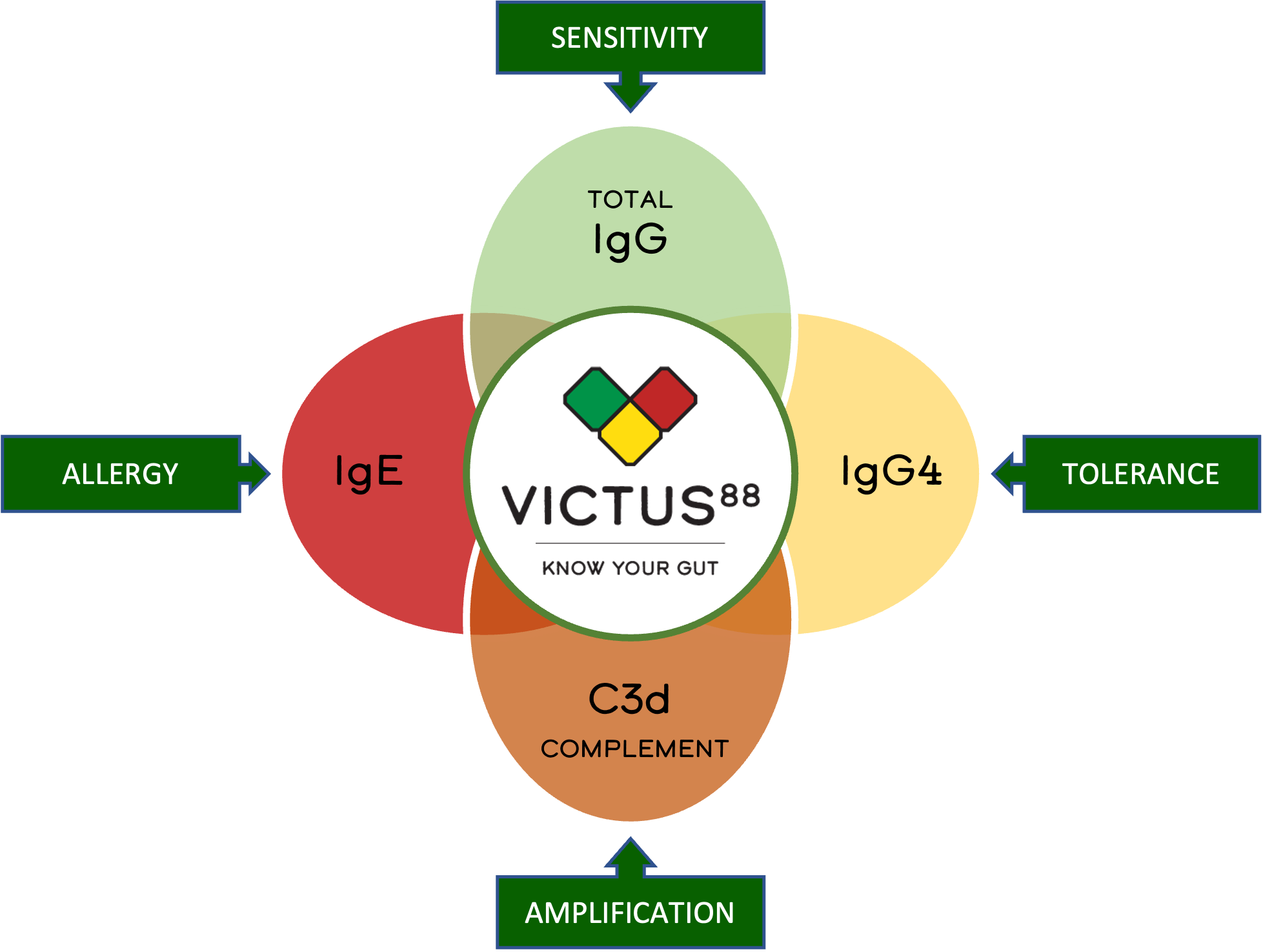


Dec 11

Episode 347: Special Guest: Vince Ojeda, Gut Health, Food Sensitivities, Food Allergies, Dysbiosis, Fasting Mimicking, Elimination Protocols, IgG, IgE, IgE4, IgM, CD3, Food Antigens, And More!

Intermittent Fasting

Welcome to Episode 347 of The Intermittent Fasting Podcast, hosted by Melanie Avalon, author of What When Wine Diet: Lose Weight And Feel Great With Paleo-Style Meals, Intermittent Fasting, And Wine and Vanessa Spina, author of Keto Essentials: 150 Ketogenic Recipes to Revitalize, Heal, and Shed Weight.

Today's episode of The Intermittent Fasting Podcast is brought to you by:

LMNT: For fasting or low-carb diets electrolytes are key for relieving hunger, cramps, headaches, tiredness, and dizziness. With no sugar, artificial ingredients, coloring, and only 2 grams of carbs per packet, try LMNT for complete and total hydration. Go to drinklmnt.com/ifpodcast to get a free sample pack with any purchase!

TONE DEVICE: Introducing the brand new second generation tone device! If you practice regular IF, TRE, prolonged fasting and or low carb/keto, your body makes a metabolic switch to primarily burning fat for fuel! Being metabolically flexible means you can readily tap into stored fat for energy. With the tone device you simply breathe into the device when fasting and receive an instant reading on your breath ketones. You may test an unlimited amount of times, with one investment in a tone. Get on the exclusive vip list to be notified when the 2nd generation is available to order and receive the launch discount at tonedevice.com!

DANGER COFFEE: Danger coffee is clean, mold-free, remineralized coffee created by legendary biohacker Dave Asprey, and engineered to fuel your dangerous side! Get 10% off at melanieavalon.com/dangercoffee with the code MELANIEAVALON!

To submit your own questions, email questions@IFpodcast.com, or submit your questions here!! 

SHOW NOTES

Beautycounter: Keep your fast clean inside and out with safe skincare! Shop with us at melanieavalon.com/beautycounter and use the code CLEANFORALL20 for 20% off, plus something magical might happen after your first order! Find your perfect Beautycounter products with Melanie's quiz: melanieavalon.com/beautycounterquiz
Join Melanie's Facebook group Clean Beauty and Safe Skincare with Melanie Avalon  to discuss and learn about all the things clean beauty, Beautycounter, and safe skincare!

LMNT: Chocolate Caramel is available now! Go to drinklmnt.com/ifpodcast to get a free sample pack with any purchase! Learn all about electrolytes in Episode 237 - our interview with Robb Rolf!

DANGER COFFEE: Get 10% off at melanieavalon.com/dangercoffee with the code MELANIEAVALON!

TONE DEVICE: Get on the exclusive vip list to be notified when the 2nd generation is available to order and receive the launch discount at tonedevice.com!

Go to victus88.com and use the discount code MELANIEAVALON for $55 off Victus88 testing!

vince's background

the 4 markers tested

immune responses to food

igE allergies

what do people react to most?

food antigens

elimination protocols


the algorithm used for results

FOOD SENSE GUIDE: Get Melanie's app to tackle your food sensitivities! Food Sense includes a searchable catalogue of 300+ foods, revealing their gluten, fodmap, lectin, histamine, amine, glutamate, oxalate, salicylate, sulfite, and thiol status. Food Sense also includes compound overviews, reactions to look for, lists of foods high and low in them, the ability to create your own personal lists, and more!

retesting

the report provided with the test

Wheat and gluten

igM reaction

getting the kit and collecting the sample

the cost benefit

nutrition coaching 

Our content does not constitute an attempt to practice medicine and does not establish a doctor-patient relationship. Please consult a qualified healthcare provider for medical advice and answers to personal health questions.

TRANSCRIPT

(Note: This is generated by AI with 98% accuracy. However, any errors may cause unintended changes in meaning.) 


Welcome to Episode 347 of the Intermittent Fasting Podcast. If you want to burn fat, gain energy, and enhance your health by changing when you eat, not what you eat with no calorie counting, then this show is for you. I'm Melanie Avalon, biohacker, author of "What, When, Wine" and creator of the supplement line AvalonX. And I'm here with my co-host, Vanessa Spina, sports nutrition specialist, author of "Keto Essentials" and creator of the Tone Breath Ketone Analyzer and Tone Lux Red Light Therapy Bannals. For more on us, check out ifpodcast.com, melanieavalon.com, and ketogenicgirl.com. Please remember, the thoughts and opinions on this show do not constitute medical advice or treatment. To be featured on the show, email us your questions to questions@ifpodcast.com. We would love to hear from you. So pour yourself a mug of black coffee, a cup of tea, or even a glass of wine, if it's that time, and get ready for the Intermittent Fasting Podcast.

Melanie Avalon:
Hi friends, welcome back to the Intermittent Fasting Podcast.

Melanie Avalon:
I am so incredibly thrilled and excited friends about the conversation that I'm about to have. I am just so excited. Okay, so here is the backstory on today's conversation. We talk a lot about food and diet on this show.

Melanie Avalon:
We talk a lot about food sensitivities and reacting to food and finding the foods that work with you. We get questions all the time about food sensitivity tests and do they work? Are they accurate? How to approach them, et cetera, et cetera, et cetera.

Melanie Avalon:
I've been very interested in the food sensitivity testing world typical test, and we'll talk about this in the show, but there's a lot of different tests that will test things like IgG, maybe IgM. I've historically always just wondered if those tests were accurate, because there's a lot of debate out there about are they actually showing you sensitivities?

Melanie Avalon:
Are they just showing you what you're eating? And I was kind of just, I had it on my to -do list to really research it some more and hopefully find a company that was doing some sort of testing that I could feel really, really good about.

Melanie Avalon:
And so it was so perfect, so serendipitous. A lot of you guys know Scott Emmins, because he is my partner with AvalonX at MDLogic. He's been on quite a few episodes of this show. So Scott introduced me to Vince Ojeda.

Melanie Avalon:
He is the CEO of BioVision Diagnostics, and they have a product called Victus88. It's a gut health test. And friends, I did a call with Vince a while ago now, and it blew my mind. I was so excited because what he is doing is exactly what I've been looking for for so long, which is a test that can actually show you your food sensitivities.

Melanie Avalon:
And we're gonna talk about why that is. It's a very accurate, complex picture that you're going to receive. And I'm gonna just stop rambling because there's so many specifics that we just need to dive into.

Melanie Avalon:
But Vince, thank you so much for being here.

Vince Ojeda:
Thank you for having me and you're very welcome.

Melanie Avalon:
I just, I can't iterate enough how excited I am about this. And especially when I talk to you on the phone that first time, because, you know, because I meet with companies and products all the time and going into them, I never, I'm always like, not quite sure how it's going to go and the level of detail or knowledge that they're going to have about whatever the topic may be.

Melanie Avalon:
And talking to you was just so exciting because it was literally all these questions that I've had for so long. So to start things off though with the listeners, and you told me this on the phone, but would you like to tell them a little bit about your personal story and your journey with food and food reactions and what led you to this experience with Victus88?

Vince Ojeda:
Oh, absolutely. Again, my name is Vince Ojeda and one of the things that I think everyone needs to know about me first off is that I'm a laboratory person by background. So I grew up in the lab business.

Vince Ojeda:
I've been in the business for close to 30 years now in different capacities. So I've seen a lot of tests through the years that have come and gone. And when I learned about this approach to testing for food sensitivities, it kind of like you, it blew my mind.

Vince Ojeda:
It was one of those things where I looked at it, I had a few doctors that I work with look at it, and we all just started scratching our heads going, this is incredible. This is a whole new approach.

Vince Ojeda:
And so my experience really was in the summer of 2022, when we were launching this test directly to the consumer, and I was doing some media, I was starting to get out and talk to some people. And I was doing a pre interview for a podcast.

Vince Ojeda:
And the interviewer asked me, what were your results like? And I said, well, I haven't taken the test yet. So that's not going to be a good question to ask me. And she said, what are you crazy? She goes, this is your company, this is your test.

Vince Ojeda:
I said, we've been so busy beta testing this with everybody else. So the moral of the story is take your own darn test when you have something, you know, a gold nugget in your hand, you need to take.

Vince Ojeda:
So when I took the test in the summer at the late summer of 2022, I had just turned 50 years old. I was a little over 50 pounds overweight. I just had my doctor's appointment with my doctor who's a good friend of mine.

Vince Ojeda:
And he told me three things at that appointment. He said, you are morbidly obese, you have high blood pressure, we're going to have to up your medication. And technically, you're pre diabetic. And my wife is a nurse.

Vince Ojeda:
And like I said, I've been in the lab business for almost 30 years. So I know what that means. I know what those three things mean to anyone. And when you hear it for yourself, when, when you become the patient and you hear those words being said to you, it has a different impact.

Vince Ojeda:
And so I took the Victus88 gut health test. And I said to myself and everyone around me, I'm going to become the face of Victus88, meaning I'm going to go all in with my results. And I'm going to see exactly what this test can do.

Vince Ojeda:
So when I got my results, and we'll talk about that in a little bit, I'm sure how the results work and what you can do about it. I went all in. And I did everything the report suggested I do. I eliminated the foods that were toxic to my body.

Vince Ojeda:
And Melanie within three days, I was waking up earlier, I had more energy, I was getting things done faster, and more organized. And my wife even said to me, what is going on with you? And I said, I think it's these foods that I'm not eating anymore.

Vince Ojeda:
Within a couple of weeks, I had started losing some weight, I was feeling so much better. Like I said, I had so much more energy, I was like, you know what, I'm going to go to the gym. I hadn't been to the gym in 15 years.

Vince Ojeda:
And I'll never forget Melanie, I got on that treadmill for the first time. And I thought, you know what, I'm going to walk a mile. That's my goal. I'm going to walk a mile. And one mile, as you know, over time turns into two turns into three turns into lifting weights turns into doing other things.

Vince Ojeda:
And so what I'm saying is this test opened the door for me to be able to improve every other aspect of my health and wellness and of my life. So when someone asks me what did Victus88 do for you, I could go on forever because I've lost over 55 pounds.

Vince Ojeda:
I've put on tons of lean muscle mass. I've been able to really self educate myself about not just food sensitivities, but everything else that goes around health and wellness. And I've been able to utilize that information to make my entire life better.

Vince Ojeda:
But it all started with this very simple test that anybody can take, you can take it at home. And we give you the results. And I always tell people, we'll meet you halfway, we'll give you the information you'll need, you'll have this result that will show you exactly what you need to do.

Vince Ojeda:
But I cannot go sit at your dining room table with you and say, Melanie, that was on your red list, you shouldn't be eating that right now. You know what I mean? So you've got to do the work, but we'll give you all the information.

Vince Ojeda:
We'll open that door for you. And that's what Victus88 did for me. And that's what we're trying to do now for as many people as possible, moving forward.

Melanie Avalon:
This is so incredible, so empowering. If listeners are curious, I have not done the test yet, so I'm really, really excited to do it personally. And we're actually going to have Vince back on my other show, the Melanie Avalon Biohacking Podcast.

Melanie Avalon:
So I will have done it before then. So you'll definitely, listeners, have to check out that interview for my own personal experience. But I love that story. I love your testimonial. And I think it's so profound how many potential things that this could help with people that they probably don't even realize.

Melanie Avalon:
Because I think when people think food sensitivities, they think immediate GI reactions. So like their stomach not feeling well, or maybe bowel issues, constipation diarrhea. But it goes so far potentially beyond that.

Melanie Avalon:
Because if you're putting an essentially kryptonite into your body every day and not realizing it in your food choices, just think about the massive potential of energy you can free up in your body energetically for health issues.

Melanie Avalon:
And like you mentioned with like the weight. And I just think there's just so much potential here. So the actual test itself, I am just so excited about it. So it tests four markers, IgE, IgG, IgG4, and C3D.

Melanie Avalon:
So what do these four different markers mean?

Vince Ojeda:
That is a great question. And I agree with you 100%. When people think of poor gut health, they think, well, I know what foods make me bloated. I know what foods make me constipated or give me diarrhea.

Vince Ojeda:
Those are those immediate dIgEstive reactions. And that's important to know. And that's important to avoid those foods, because obviously your body's reacting to those. And we always say these foods are either going to help you or they're going to hurt you.

Vince Ojeda:
And so what we do with these four immune reactions, when you realize that 70% to 80% of your immune system is located in your gut, that should tell you that whatever you're putting into your gut is going to stimulate some type of an immune response.

Vince Ojeda:
The good news is that as a laboratory, we can measure those responses to the foods that you're eating. And I want to make a slight distinction here, just so everybody understands. You don't have to have eaten these foods in the last day or in the last week or any time in your life for that matter.

Vince Ojeda:
We're going to add that food to your sample. Then we're going to measure that reaction in the lab. So we're going to get reactions, good, bad, or indifferent from these foods that we're measuring. And the reason we measure four reactions is because each of those markers that you mentioned, and I'll go through them very quickly, means something different to your body.

Vince Ojeda:
The IgE that you mentioned is typically indicative of an allergic reaction. The IgG is related to more of a sensitivity. The IgG4, we call that a good reaction because that can create tolerance. So even if you're having an allergic reaction, you might have this other inflammatory response called IgG4 that comes in and helps your body with that food.

Vince Ojeda:
And then the C3D is a complement reaction. And what that does is it amplifies some of these reactions, sometimes 1 ,000 to 10 ,000 times what a normal inflammation response would be. So we have to measure all four of those in order to get the full picture of what we're trying to look at here.

Vince Ojeda:
And the key to this whole thing is that we're getting these numbers, we're getting these numeric values per immune reaction, and we can talk all sciency about that. But the bottom line is we have formulated a proprietary algorithm that we put these numbers through that will then tell you the level of the severity of each sensitivity to these food antIgEns that we're adding to your sample.

Vince Ojeda:
So we're giving you the complete picture. We're using the proprietary algorithm to measure the severity of that sensitivity. And then we're going to wrap it all up into what we refer to as a nutrition blueprint that's personalized and customized to you based on your body's reactions of those foods.

Vince Ojeda:
So we're not going to sit there and tell you, oh, eat more leafy green vegetables. That's great advice. But what if you're allergic to lettuce? What if you have a sensitivity to kale? You know, so we have to be careful about what we give people in terms of generic information.

Vince Ojeda:
This is very specific to your body and your body's reactions to those foods.

Melanie Avalon:
of food on that list that you... And I guess most people have been exposed at some point to all the foods. But if there's a food that you've never, ever actually been exposed to, if your body reacts at that moment, does that mean that that's the first time that the body's forming an immune response to that food and learning that reaction right then and there?

Melanie Avalon:
I was researching the process of how the body becomes allergic and the first time it's exposed and then it's creating these antIgEns and this reaction and then the memory T cells and everything. So, if you've actually never been exposed to that food, you can't have a memory of being exposed to it.

Melanie Avalon:
I'm just confused about people who have never tried these foods before and they react to it.

Vince Ojeda:
I think that's a good question. The bottom line is when you research immunity and especially food sensitivities or even environmental sensitivities like pollen and grass and things like that, there are still a lot of unknowns about why the body reacts the way it does.

Vince Ojeda:
So the real answer is the information that we're going to give you is going to be based on what your body is actually doing. It's not based on the history or some other previous response that you had to it.

Vince Ojeda:
Typically, you'll be able to predict which foods are going to be on what we call your red list. For example, gluten. If you know that gluten makes you bloated or it gives you diarrhea or has some other type of dIgEstive reaction, we're pretty sure that gluten is going to be on your red list.

Vince Ojeda:
I don't eat a lot of lobster, but lobster was on my eliminate list the first time I took a test. So that surprised me because I'm sitting there thinking, I don't even eat lobster. Well, you can have that one of two ways.

Vince Ojeda:
Number one, you know the test is working because it's identifying reactions that your body is giving to that food. And number two, that's an easy one to eliminate because if you've got a food that you never eat that's on your eliminate list, okay, so be it.

Vince Ojeda:
I don't need it anyway. And that's actually when we get further into it, that's one of the big pieces of advice we give to people is look at those foods first and look at the foods that you don't eat anyway and start there.

Melanie Avalon:
Yeah, so in a way, it almost doesn't even matter because it's showing you now like where you're at and what you need to do. That's great. So the IgE, for example, because I think out of these four, even for me, when I first approached this, I was familiar with IgE and IGG.

Melanie Avalon:
So the IgE for the allergies, and I was going down the rabbit hole reading about that, apparently it's only like 0 .05% of our immune system, but it's the most potent with the allergic responses. So are those things that people are born with, the IgE allergies versus the sensitivities, the IgE, is that something that's more created from our food and our environment?

Melanie Avalon:
What do you see with that? Like are people born at blank slate with allergies?

Vince Ojeda:
You asked a question that technically doesn't have an answer because most of the research that we've done has shown that the body's immune reactions. We don't know there's no our food allergies genetic no are you born with them we don't know does your body change over time yes does your immune system change over time of course look at people who have had.

Vince Ojeda:
Cancer and survivors of cancer and things like that you know that their bodies immune systems completely change my nephew for example had a bone marrow transplant when he was four years old that completely transformed his immune system and so.

Vince Ojeda:
We do things to our body whether it's environmental medical. Situational anything that we're doing to our body is going to be changing our immune system. All the time look at the different viruses that are introduced to us on a we just went through a pandemic right you know that's gonna change your immune system so there are there are things that are happening around us that and i think to get back to the basic point of why Victus88 is so important.

Vince Ojeda:
You said it earlier and i'll put it in a different way it's a snapshot it's giving you the hearing now of the foods that are impacting your body right now and at what level of severity and i think that's important because when you have.

Vince Ojeda:
That list of foods in front of you and you're at the grocery store and you know that you've got a green list a yellow list and a red list of foods in front of you you can make actionable decisions based on that report right then and there.

Vince Ojeda:
I'll give you one example of what i did not everybody does this but i did because i of course i'm i had to go all in i eliminated 23 foods from my diet of the 88 that we test for i eliminated 23 of those foods for six months.

Vince Ojeda:
Entirely bar none no exceptions no cheating no nothing when i took the test again at the six month mark. Twenty of those 23 foods fell off of my red list moved to my green list my body my gut had healed and my body had created a tolerance to those foods so that i could reintroduce those into my diet did i reintroduce everything no i still avoid gluten i still avoid cows milk i still avoid certain things that.

Vince Ojeda:
I know still would probably have i have a reaction to and i just feel healthier not eating certain things so that's an important point to is that. You're not born with it because your gut can heal right so we damage our gut over time and then we give it a chance to heal like i did after six months and you can reintroduce those foods so that's a good thing that your body reacts and heals that way when you think about when you when you get a cut on your skin what is it do what does it do.

Vince Ojeda:
It forms a scab why is that because your body is self healing and your gut is the same way when you give it a chance to heal your gut will self heal and I think that's the point of Victus88 is you're giving your body that chance to heal itself.

Melanie Avalon:
That's so fascinating about going the six months and then the food's moving from the red to the green list. So when that happens, and I understand that there's an algorithm and I'm assuming it, well, I guess this is part of the question.

Melanie Avalon:
When that shift happens, from foods going from red to green, for example, is it that the IgG, the sensitivity goes down and the IgG for tolerance goes up? Does just the tolerance go up and the IgG is still there?

Melanie Avalon:
What is the potential options for how the immune system is changing? Do you just get more tolerance or do you also lose the sensitivity or is it a combination?

Vince Ojeda:
It is definitely a combination. You, your body creates more tolerance and you lose some of the sensitivity because if you're not introducing those foods into your body that are toxic to your body, your body's not reacting to them all the time.

Vince Ojeda:
And that's the main problem with food sensitivities is that when you're constantly introducing foods into your body that are toxic to you and you don't know it because we often say, we don't know what we don't know, you're actually creating what's referred to in our business and yours as well, I'm sure as chronic inflammation.

Vince Ojeda:
And you know the list of diseases that are associated with chronic inflammation. So if you can avoid those foods that you know are creating toxicity in your body and give your body a chance to create that tolerance, reduce the sensitivity, give your gut a chance to heal.

Vince Ojeda:
And yes, it is a combination of all of those. Then you're giving your entire immune system a chance to recover and build a better immune system and better tolerance to all foods for that matter. I'm the case in point.

Vince Ojeda:
I mean, I've lived it, I've seen it.

Melanie Avalon:
You know what I would be super interested about? I actually just interviewed for this show Dr. Valter Longo. He's one of the main fasting researchers, possibly the main fasting researcher. He does a lot of research on the fasting mimicking diet, which is a five day diet that sort of simulates the fasting state.

Melanie Avalon:
And I know they've done a lot of research on how it can reset the immune system. I'd be super curious, A, how extended fasts would affect people's turnover rates or changes, and also our audience being fasters.

Melanie Avalon:
I'm just super curious if people who do intermittent fasting, if they get faster results after removing the foods and the turnover. Do you have any thoughts about fasting? I don't know if you collect data on your users as far as their eating habits and their fasting habits.

Vince Ojeda:
We really don't right now, but I will tell you that that would make sense, that if you're doing the intermittent fasting, if you're doing any fasting protocol, that if you're in addition to that eliminating the foods that are hurting you in the first place, then that body's response, that immune response should improve quicker in a shorter amount of time.

Vince Ojeda:
So, that would make total sense to me, but I don't have any data points on that because we don't collect anything on our patients. We do for our medical patients. So, we have two patient populations.

Vince Ojeda:
We have a medical population who we work through, you know, holistic practitioners and doctors and things like that. The bulk of our business, the vast majority of our business though, is with patients who are direct consumer.

Vince Ojeda:
They go on to our website. If they have to have a doctor's order, we provide that. Then they just order it online and we send them a kit and they send the kit back to us.

Melanie Avalon:
Gotcha. I almost don't want to ask this question because I don't want people to make assumptions about what foods they may or may not react to. But I am super curious out of these 88 foods, like is there a few foods that most people tend to react to and a few that tend to be less reactive?

Melanie Avalon:
If I were to guess, I would guess that things like gluten are higher up there and things like meat might be lower and then plants like in between. I don't know. I don't know. Like did you have data on the spectrum of reactions?

Vince Ojeda:
We don't track data per food only because we know that every result is going to be individualized to that patient. What I will tell you is that you are spot on. What we see the most of are things like gluten, cow's milk, egg albumin, and egg yolk because we test for both.

Vince Ojeda:
We test for the egg white and the egg yolk, things like that. When you look at the meats and some of the other things like that, they're much lower on the list. Typically, that said, black pepper is a big one.

Vince Ojeda:
We test for black pepper and garlic. That's another big one that we see quite often on these results as something to eliminate. It really does run the gamut. When you talk about gluten and cow's milk and things like that, for sure, those are the big ones.

Melanie Avalon:
I'm so excited to do mine. Do you test chives? I eat a lot of chives. They're in the onion family though.

Vince Ojeda:
they are, so we test for onion. And one of the things to keep in mind is that there are 88 food antIgEns that we test for. So we're going to measure these four immune responses in all 88 of those food antigens.

Vince Ojeda:
We also provide you with our gut guide. When you get your result, you also get access to our gut guide. And in that gut guide, there is a food family guide where you can parse out each of those foods so chives would be under that onion family.

Vince Ojeda:
And there are 382 foods in the food families that we test for. So there's a huge swath of foods that are really included in this test if you parse it down to those food families.

Melanie Avalon:
That's why I was going with that question partly because out of all the foods I think chives would be the one that's probably not on there. But then I was thinking about how it's in the onion family because I saw that chart, which was super cool where you can see the family and the other foods that are related.

Melanie Avalon:
How much does that transfer? If I came back allergic to onions, would I pretty much apply that to chives, at least for the elimination period? How much do people avoid that whole family if the food is in the red from that family?

Vince Ojeda:
simplicity sake, most of our customers deal with the food antIgEn itself. So typically if someone has onions on their list, they're probably not going to go to the food family and eliminate asparagus and chives and garlic and leek, you know, all those other foods in that family.

Vince Ojeda:
However, it's your choice. So we always tell people, we're going to meet you halfway. We're going to give you the information. You're going to have all this information at your fingertips and you can go as far as you want with it.

Vince Ojeda:
We have customers and patients who say, you know what, I absolutely cannot give up my peanuts. Okay, you've got 11 other foods on there, so you're eliminating 90% of the foods that are offending your body.

Vince Ojeda:
So 90% is better than 0%. And when you get down in those food families, it gets very, very detailed and some of these food families have 12, 15 other foods in them. So it's tough to do that. So we're really at that top level of these 88 foods.

Vince Ojeda:
If you eliminate those, you're doing a lot better than you were before you took the test.

Melanie Avalon:
Yeah, I can imagine. And I'm super curious going back to the actual immune markers themselves, because like I said, I just never, this is what I've been looking for. I've never found a test where they are testing the actual IgG, IgE, and then also these coloring, tolerance, and amplification markers with the IgG4 and the C3D complement.

Melanie Avalon:
And for listeners, so if they would like to get their own kit, we're so grateful. Vince has a discount code for you guys. So the website is victus88.com. And you can use the coupon code Melanie Avalon to get a discount on your kit.

Melanie Avalon:
So I definitely cannot recommend enough that people check that out. I'm really, really excited about that. And for listeners, these show notes will be at ifpodcast.com/episode347. And those show notes will have a full transcript as well as links to everything that we talked about.

Melanie Avalon:
And they will actually include, we will put a picture there because I know it's kind of hard hearing all of these letters and these IgG, IgE, IgG4, all these things. If you want to actually see it, we'll put a really nice picture in the show notes that kind of helps no pun intended paint of a clearer picture of everything.

Melanie Avalon:
So again, show notes ifpodcast.com/episode347. And we will also put in the show notes the discount code, which will be Melanie Avalon and that will get you a discount on Victus88 at victus88.com.

Melanie Avalon:
So definitely check that out. Besides IgG4 for tolerance and C3D for amplification, are there other tolerance ones and other amplification ones? Or how did you guys find these two markers? I'm just blown away that nobody else is doing this.

Vince Ojeda:
Markers have been there for decades, and I think that is the kind of the crux of the issue right now is that most of the other tests that are on the market will test you for either an allergy or a sensitivity.

Vince Ojeda:
Sometimes you can get both if you pay extra. We include all four because these are the four that are the most important to your body's immune reactions, obviously. Technically, any lab could do this testing.

Vince Ojeda:
The biggest difference is that we test for all four immune reactions, and when we give you those results, you have that full picture of what your body's reacting to with those 88 different foods. The biggest difference really is in that algorithm and how we calculate the level of the severity of the sensitivity and break those out for you in that simplified nutrition blueprint that you can print those pages off, take it to the grocery store, take a screenshot on your phone, and you'll know which foods to avoid and which foods you're safe with, and it makes a lot of sense that way.

Melanie Avalon:
Awesome. We're mentioning the green and the red, but there's also a yellow list.

Vince Ojeda:
There is, yes.

Melanie Avalon:
What's the yellow list?

Vince Ojeda:
The nutrition blueprint has the three columns of food. There's actually two pages that are the most important in this entire report. And in those two pages, each one has the green list which is no limitation.

Vince Ojeda:
You can eat those foods all you want. The yellow list is a rotate list. In other words, you can rotate those foods in and out of your diet every 72 hours. So your body had some reaction but not enough of a reaction to cause you to eliminate that food entirely from your diet.

Vince Ojeda:
And of course the red list is the eliminate list which is you need to take those foods entirely out of your diet because those are the foods that are causing immune reactions that are causing your issues.

Melanie Avalon:
Okay, so question about the yellow list. So, you know, so that has the option to rotate it. Like you said, every 72 hours. Could you also take the eliminate approach with the yellow list and try to get those yellow foods to move to green later?

Melanie Avalon:
you

Vince Ojeda:
Yes, absolutely. There are, I've seen some reports where there are a lot of foods on that yellow list and it is tough to remember which ones to rotate. Myself, I had just a few in my yellow list so it was pretty easy.

Vince Ojeda:
I had eggs, I had egg yolk and egg white in my yellow list so that was pretty easy for me. I only eat eggs at the time once or twice a week anyway so that was easy for me to rotate. And then typically, yes, typically what patients will do is take their yellow list and just move them to the red list.

Vince Ojeda:
Sometimes it's practically speaking, it's just easier to do it that way.

Melanie Avalon:
Okay. And what is the sensitivity and specificity of the test? Actually, I think I asked you this on the phone, like how accurate and are there false positives, false negatives? How accurate is it?

Vince Ojeda:
The accuracy of the test is extremely high because, again, we're measuring age -old, decades -old immune reactions in a laboratory setting. So this is a what's considered a highly complex laboratory test.

Vince Ojeda:
So we're measuring these reactions. They're steadfast, old bygone reactions that we can measure on an instrument, on an analyzer that gives us a number. It's a hard and fast number. There really are no false negatives or positives because these are numeric values coming off of an analyzer run in a laboratory.

Vince Ojeda:
I mean, the main thing really is that algorithm. It's putting those pieces together. If you go to the store and you buy a puzzle with a thousand pieces in it and you open the box and there's only 250 pieces in there, you're never going to be able to put that puzzle together.

Vince Ojeda:
What we give you are all 1 ,000 pieces. So you can put that whole puzzle together and see that whole picture of your immunity to those 88 different foods.

Melanie Avalon:
Has the algorithm evolved or changed or does it evolve and change as you... I know it's anonymous data, but as you do these tests and people retest, which that could be another question as well, has the algorithm changed?

Melanie Avalon:
I'm super just curious, like before you tested anybody, did you create this algorithm without having this massive population sample?

Vince Ojeda:
The algorithm changes, it definitely changes over time because as you add more patient population to the statistical values of the reference range, what we call a reference range in the laboratory, which is your zero to 100, your low to high and everything in between, those reference ranges change over time with people as you add more people to those ranges.

Vince Ojeda:
So we evaluate that on an annual basis, so we don't evaluate it every month or anything like that. So typically when those reference ranges change, that's when the algorithm is going to change. I will tell you it's ever, ever, ever so slight.

Vince Ojeda:
Barely, rarely do we see a major change where we would have shifted a lot of people into this other category. It's pretty solid as far as how the algorithm is consistent. Very rarely would we change something to where people would shift into a different category on a regular basis.

Vince Ojeda:
It's just, that's not, yeah.

Melanie Avalon:
So that led to my second question, the actual retesting. So when people are doing this, can people benefit from just doing it once? Do they need to be retesting? If so, how often are they retesting? What does that process look like?

Vince Ojeda:
Most of our customers do the test one time. It's their option if they want to retest. What we do recommend is that when you do the, when you get your first result and you follow that protocol, follow it for at least three months.

Vince Ojeda:
You don't have to do it six like I did. I was pretty extreme, but I was on a mission. So I had a different perspective, right? The typical patient will go about three months with that protocol. If you see the changes, you feel the changes, which you will, you'll know when those changes are happening because it happens very quickly, by the way.

Vince Ojeda:
It may not be necessary to retest. I retested because I was very curious. There were a lot of foods on my red list that I wanted to reintroduce back into my diet. So I was seeing some foods, right? So that's why I retested.

Vince Ojeda:
We do have a certain segment of our patient population who want to retest and see it on paper in writing. Yep, sure enough, I tried peanuts the other day and I had no reaction. I didn't have any eczema.

Vince Ojeda:
I didn't get any headaches the next day like I used to. So you can, if you're listening to your body and you're in touch with how your body's feeling and showing itself to you, because your body does show you exactly what it's feeling, then you don't necessarily need to retest.

Vince Ojeda:
We recommend it for people who are on the fence with some foods, but they want to know for sure.

Melanie Avalon:
Okay, that makes sense. I would definitely be like you. I'd want to retest. I don't want to know for sure. I would probably want to be retesting like, you know, yearly because that's just me.

Vince Ojeda:
Yeah, I do every six months.

Melanie Avalon:
Yeah, that's good to know. As something else that you talk about in the results, not testing from the actual people's immune responses, but I believe there is information about FODMAPs and amines and moldy food as well.

Melanie Avalon:
What are the other foods that it talks about in people's reports or other compounds?

Vince Ojeda:
and food. Sure. So we provide what we refer to as the nutrition blueprint, which is going to be your green list, your yellow list, and your red list. We're going to give you a less restrictive and a more restrictive diet.

Vince Ojeda:
So you can choose between those two, which one you want to do. We also provide you with an immune index, which is basically a list of rank order, high to low, what kind of reactions you had in your foods by an order of the 88 foods.

Vince Ojeda:
And then we will also give you what we refer to as biogenic compounds. These are not immune response driven, but they can mimic irritations and allergies. So you kind of wonder, okay, is this is this in a reaction?

Vince Ojeda:
So oxalates amines, histamines, lectins, FODMAP, like you mentioned, salicylate and some others. So that's a separate page in the report. And then we also give you some exposures by food group. We're not measuring each reaction by group, or we're measuring very specific reactions by the 88 foods, as we mentioned, but then we break it down into food groups.

Vince Ojeda:
So you may have more sensitivities to regular fish and more allergic reactions to shellfish. We also look at seeds and nuts, fruits versus vegetables, legumes and beans, meats and dairy. So we give you all of that information.

Vince Ojeda:
These reports usually run about 14, 15 pages long, just so you know.

Melanie Avalon:
You just had so many keywords. I know listeners are familiar. I made my app food sense guide. It's not obviously at all looking at immune reactions, but it was because I was so fascinated by people's reactions to things you mentioned, FODMAP, histamine, solicilates.

Melanie Avalon:
So, man, sounds like this whole pair really well with that. People would just like to learn more about the non -immunogenic responses and things. So you guys have a really awesome website, which the website is victus88.com.

Melanie Avalon:
So, v -i -c -t -u -s -8 -8 .com. There's a really awesome guide that you can download that has an FAQ and it goes through all of this and it gives you an idea of what to expect and what you can learn.

Melanie Avalon:
And it's really comprehensive and really helpful. And it even has questions. Like one of the questions on it was, like what is the difference between gluten and wheat on the report? And, you know, people may think that they react to gluten, but it doesn't show up on the results.

Melanie Avalon:
And so, you know, it talks about all of that out of curiosity, by the way, gluten versus wheat. What's the difference there? Cause I think that's something people think about all the time as far as reacting to things.

Melanie Avalon:
And they kind of lump them together as one thing.

Vince Ojeda:
that they do and I will tell you that typically if you have a reaction to gluten so severe that we're telling you to eliminate it from your diet, we will typically tell you to eliminate barley, rye and whole wheat as well.

Vince Ojeda:
Just that being said, gluten is in whole wheat. However, wheat also has different proteins that can be reactive. So that's why we measure for both. So you could have a sensitivity to whole wheat but not the gluten.

Vince Ojeda:
When you have a reaction to gluten, we're automatically going to eliminate whole wheat because gluten is in whole wheat, if that makes sense.

Melanie Avalon:
I understand the algorithm is doing this work for the person and that it's putting the foods into the green, red, and yellow. So does it even matter? Because I'm envisioning how I'm probably going to react.

Melanie Avalon:
Like if I get back, because I know for me personally from a prior blood test, well, this was a while ago though, but I have an IgE reaction to wheat. So if I were to see my results on the Victus88 test, like does it even matter, say wheat is in the red for me?

Melanie Avalon:
Does it matter if it's an IgE versus IgG as far as the potential implications of if I can switch it over to green?

Vince Ojeda:
This is why we measure all four immune responses because if you have an i g e response which you said from a previous lab report you did have an i g e response to two to whole wheat. Problem is they didn't measure you for i g g four which is your tolerance the tolerance can offset the allergy so that's why we say i g g four can actually be good that's why we measure it because it can counterbalance that allergic reaction meaning.

Vince Ojeda:
Your body is actually protecting you at the same time as having an allergic reaction if that makes sense so i would say you might still have weed on your report but you might also have have a tolerance reaction to where.

Vince Ojeda:
Our report may say no melanie that that's green for you weeks we totally fine cuz your immune tolerance.

Melanie Avalon:
And do you find that people who have the IgE versus the IGG, like, is it easier to switch over IGG ones versus IgE ones, or are either of them open for switching?

Vince Ojeda:
The tolerance reaction is only going to impact the allergy.

Melanie Avalon:
Oh, okay.

Vince Ojeda:
Yeah, so the the IGG -4 is not going to do anything for your IGG, which is your sensitivity.

Melanie Avalon:
Okay, that's interesting. So you have the allergy, the IgG for tolerance can help that. So the sensitivity, the IgG, that's one where you just have to essentially lose the sensitivity by not exposing yourself to it and healing your gut.

Melanie Avalon:
Boom. Correct.

Vince Ojeda:
Correct, exactly. Okay. That's the one where you're giving your gut a chance to heal. You give your immune response or your immune system a chance to settle down, give your gut a chance to heal, get rid of your leaky gut, and then you can reintroduce those foods based on your body's reactions after that first few months.

Melanie Avalon:
Okay, and then the amplification, the C3D complement, does that amplify both sensitivities and allergies or just one of them?

Vince Ojeda:
Typically the C3D complement is only going to amplify the sensitivity reaction, which is the IgG. The problem is that that complement, when that's present with an IgG response, it can be 1 ,000 to 10 ,000 times the normal sensitivity response.

Vince Ojeda:
So that's a lot. That makes a huge difference. And again, that's why we added this to our test protocol, because it makes such a big difference in the practical application of what you're going to do with that food.

Vince Ojeda:
You cannot do this test with one of these or two of these. You have to have all four, because as you can see, they all intermingle. Some offset each other, some amplify each other. So you have to have all four to run them through this algorithm to give you this list of foods that says safe, not safe, rotate.

Melanie Avalon:
And what about so you don't have IGM, which like when I've done testing in the past, it would always test me for IGG and IGM. Is that one just not relevant to what people are looking to gain here information wise?

Vince Ojeda:
The IgM reaction is typically a reaction that is so fast that by the time you measure it and by the, you know, a couple of hours can pass and that IgM reaction is not going to be there anymore. So the IgE reaction is a valuable reaction to measure.

Vince Ojeda:
The IgM is so quick and furious that it's out of your system by the time it's going to make any type of even short -term impact on your body.

Melanie Avalon:
Oh, wow. Okay. Very interesting. And then so the actual process. So when people get the kit and again, listeners who have to circle back when we have been on the biohacking podcast and hear my experience, but for listeners who get the kit, what is the process like?

Melanie Avalon:
How easy is it? What are the options for collecting the sample? What does that look like?

Vince Ojeda:
Sure. The process is extremely simple. We spend a lot of time making this a seamless, simple process for customers. They go to the website. You mentioned it earlier. It's victus88.com. They will click on order test.

Vince Ojeda:
Well, first, read about it. Learn more. We've got some links there and some good information on our social media as well. We're putting a lot of content out there for people. Order the test. You fill in your information with your demographics.

Vince Ojeda:
You put in your credit card. You'll have a discount code that Melanie mentioned as well. We ship you the kit. You'll have the kit within two days. You can collect it yourself with a finger stick. It's about a 30 second to a one minute process to collect that sample with a finger stick.

Vince Ojeda:
Or you can choose the venopuncture or the serum sample collection, which we do give you a couple of options to find someone who will come out to your house or your office and draw your blood. They'll spin it down and they'll take it back to FedEx for you.

Vince Ojeda:
It's a little more expensive. The finger stick is by far our most popular option because it is a do -it -yourself. You can do it right there in the privacy of your home whenever you're ready to do it.

Vince Ojeda:
Everything's included in the kit. Everything you need is included in the kit, including the FedEx bag and shipping label to go back to us at the lab. So we ship you the sample. You collect your kit. You ship it back to us and we'll have a report to you within a couple of weeks.

Melanie Avalon:
Awesome. I love that. And I can't wait to do it for myself. And also for listeners, I just wanted to iterate. I've thought this myself. I've definitely seen this with feedback from listeners. Sometimes people, like they don't want to know.

Melanie Avalon:
Like I kind of see this with continuous glucose monitors. People love wearing continuous glucose monitors. On this show, we talk about it all the time because it gives you a real -time picture of how foods are affecting your blood sugar levels.

Melanie Avalon:
And I will hear people say, they just don't want to know. So what advice or guidance do you have for people who might be fearful? They're worried that it's going to show them that their favorite food is something they react to.

Melanie Avalon:
I will say that that guide I mentioned earlier on the website has a very nice, like it walks you through how to handle the results that you get and how to best tackle it in the way that works with you and your life.

Melanie Avalon:
And what are your negotiables and non -negotiables with these foods that you personally are open to excluding or not excluding? So I guess just what would you tell listeners about the cost benefit as far as learning information that maybe they don't want to hear, maybe they do?

Melanie Avalon:
What are your thoughts there?

Vince Ojeda:
I would say first, you have to realize that only you can decide on what's best for you. This test will empower you. It will give you the information that you can use as much or as little as you like to completely change your life.

Vince Ojeda:
And I'm a prime example of that. I would not be the person I am today without this test. We have testimonials from people all over the country, all walks of life, all income levels that write us thank you notes because, yeah, you know what?

Vince Ojeda:
You're going to have foods on your list that you love, that you enjoy, that you are going to miss for a few months. But you know what? It's worth it. If it were easy, everyone would do it. And taking care of your health and wellness isn't always easy.

Vince Ojeda:
Sometimes you have to do the hard things. This is a temporary change. If you really want to supercharge your life, what I call supercharge your life, then this is step one. A lot of people will go to different avenues of health and wellness.

Vince Ojeda:
They'll buy the magic pill, they'll do this supplement, they'll do that. And they don't know if it's going to work. At least we know that this has the science behind it. At least you know going into this that, okay.

Vince Ojeda:
For me, for example, eggs were a big one for me. And they were red, red. I mean, you can see the values on this report. My eggs were off the chart and so was gluten and so was cow's milk. And I had no idea.

Vince Ojeda:
So I had to eliminate those and you know what? It changed everything for me. So the cost benefit is there. And again, I say you have to decide what's best for you. We'll meet you halfway. We're going to get you the information.

Vince Ojeda:
We're going to get you the resources. We've even got a team of nutrition coaches who will coach you one on one on a tell a health about your report. We even provide access for you. If you take advantage of it, great.

Vince Ojeda:
If you don't, that's up to you too. But this will help. It has helped everyone who takes it seriously and applies the protocol. It helps people in ways I can't even, we don't have time to tell all the stories I want to tell.

Vince Ojeda:
you

Melanie Avalon:
Like I said at the beginning, I am just beyond thrilled about this resource. I cannot wait to do it myself. I can't wait for listeners to try it out and listeners. Definitely let us know if you do it.

Melanie Avalon:
We would love to hear your experience. Definitely right into the show. And we would love to share that on the show, people's experience, you know, doing this report and this test and getting the results and how it changes everything.

Melanie Avalon:
So again, Vince, thank you so much for everything that you're doing and, you know, helping create this test and access to it, which I just think is going to change so many lives. I mean, I'm sure it already is.

Melanie Avalon:
And yeah, again, so for listeners, victus88.com, coupon code MelanieAvalon to get a discount. I can't wait to do it myself and have you on the biohacking show and talk more about all the things. So just thank you so much for all that you're doing.

Melanie Avalon:
I'm just so grateful for everything.

Vince Ojeda:
Thank you so much, Melanie. I appreciate your time and everybody out there. Stay healthy, stay well, and let us know if you have any questions. You can always reach us through social media. We're very in touch with our customers, 100% response rate.

Melanie Avalon:
What are the links for people to follow you on social media and all the things?

Vince Ojeda:
Facebook, we are Victus88 on Instagram. We are Gut Health Test, all one word, Gut Health Test on Instagram. And our website, you can contact us through our contact page on the website. Or you can call us, call us at the lab.

Vince Ojeda:
Our phone numbers on the website, you know, we love hearing from customers. We love answering questions and getting people through those little last minute hurdles of, oh, but what about this and what about that?

Vince Ojeda:
So we're 100% in touch with our customers. When you call the lab, you don't get a phone menu, a live person answers the phone. We're very old fashioned that way. We wanna be in direct contact with all of our customers.

Melanie Avalon:
Awesome. I love it so much. Well, we'll put links again to all of that in the show notes at ifpodcast.com/episode347. Thank you so much, Vince. I can't wait to continue to connect on all of this.

Melanie Avalon:
And thank you for all you're doing. And we will talk soon in the future. Excellent. Bye. Thank you so much for listening to the Intimation Fasting Podcast. Please remember, everything we discussed on this show does not constitute medical advice.

Melanie Avalon:
And no patient-doctor relationship is formed. If you enjoyed the show, please consider writing a review on iTunes. We couldn't do this without our amazing team. Administration by Sharon Merriman, editing by Podcast Doctors, show notes and artwork by Brianna Joyner, and original theme composed by Leland Cox and recomposed by Steve Saunders.

Melanie Avalon:
See you next week.

STUFF WE LIKE

Check out the Stuff We Like page for links to any of the books/supplements/products etc. mentioned on the podcast that we like!

More on Vanessa: ketogenicgirl.com

Theme Music Composed By Leland Cox: LelandCox.com

If you enjoyed this episode, please consider leaving us a review in Apple Podcasts - it helps more than you know! 


1 2 3 4